At least 1 in 3 U.S. Latino households has at least one family caregiver. This number will continue to grow as many Latinos face higher than average risks for chronic disease, such as Alzheimer's, diabetes, and certain cancers. Although caregivers play an essential role in many families, they also face a great deal of stress, having to juggle multiple jobs while going unpaid for their time spent caring for a loved one. Of even greater concern is that caregivers often experience worse health outcomes than the person they're caring for. So what can we do to advocate for caregivers and their loved ones? Let’s use #SaludTues on Tuesday, May 5, 2020, to discuss ways to provide support and promote a healthy environment for Latino caregivers and their loved ones amid the ...
Food stamps began in America during another national crisis, the Great Depression — now, during the coronavirus pandemic, government programs are advocating for expansion. The Supplemental Nutrition Assistance Program (SNAP) received a big increase in federal support from the USDA on Wednesday. Moreover, a recent report from the Robert Wood Johnson’s Healthy Eating Research program shows that this kind of investment only helps families and the American economy. “In a time of economic uncertainty, increasing SNAP benefits is a proven policy approach to stimulate the economy, reduce economic hardship, and improve health,” the report states. “Future federal recovery policy approaches should consider SNAP’s proven ability to lift people out of poverty, purchase healthy food, ...
Health equity is where everyone has a fair and just opportunity to live their healthiest life possible. But health inequity remains. Now the COVID-19 pandemic is worsening historical inequities, and disproportionately affecting and killing Latinos and other people of color. So what can we do? We need both immediate focus to ease the coronavirus pandemic and its impact on Latinos and people of color, as well as long-term strides to address underlying inequities that are aggravated during this time. It won't be easy, or fast. But here's few ways to push for health equity.
1. Understand the Need for Heath Equity During COVID-19 and After
Where you live matters for your health. Even before COVID-19, inequitable city planning, historic discriminatory practices like ...
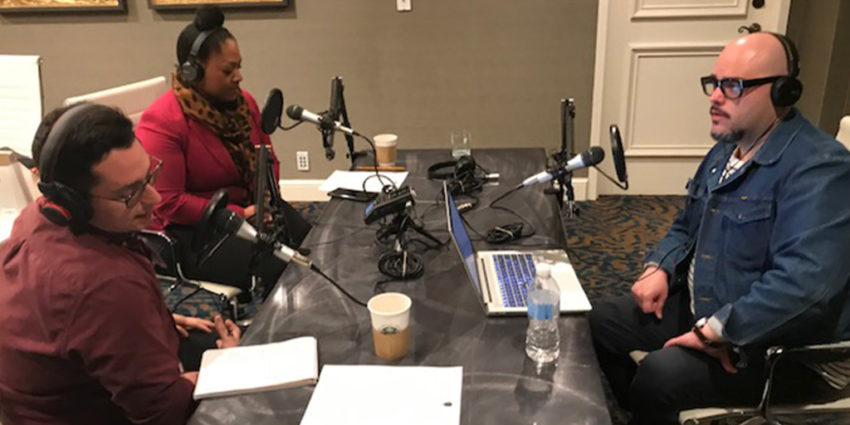
As the coronavirus pandemic sweeps throughout the U.S., one personal and political issue is taking center stage for most: the cost of and access to quality healthcare. Statistically, Latinos and other disadvantaged groups experience some of the worst outcomes of those concerns. Moreover, experts say it will only get worse as this outbreak endures. Earlier this year and prior to the spread of COVID-19, Dr. Mateo Benegas, a health services researcher at the Kaiser Permanente Center for Health Research, joined Salud Talks to address these issues and how the healthcare system is serving and not serving all patients equally. Check out this discussion on the Salud Talks Podcast, Episode 26, "Healthcare Access, or Lack Thereof"! WHAT: A #SaludTalks discussion about "Healthcare ...
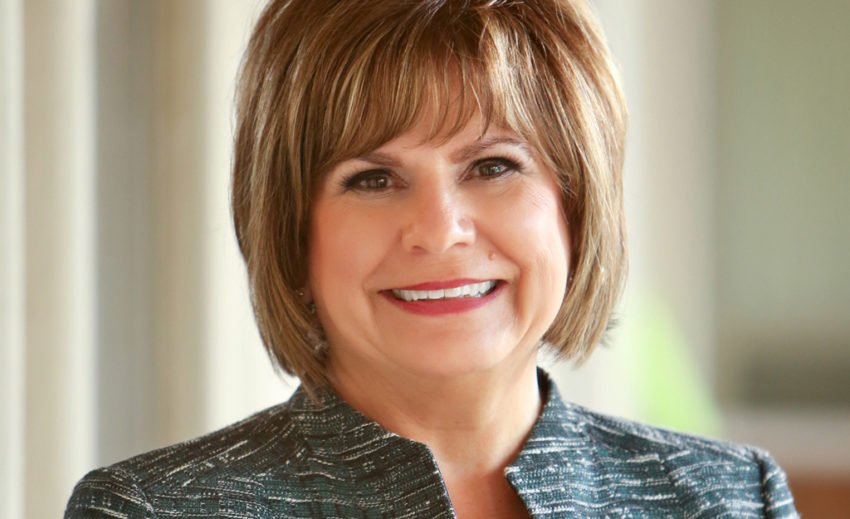
San Antonio Mayor Ron Nirenberg and Bexar County Judge Nelson Wolff announced the addition of Dr. Amelie G. Ramirez, director of Salud America! and the Institute for Health Promotion Research at UT Health San Antonio, to the COVID-19 Health Transition Team, which is working on a plan to slowly reopen the city economy after physical distancing. Nirenberg and Wolff wrote a joint memo that stay-at-home rules have saved lives. Yet they acknowledge physical distancing isn't permanent. "Our community needs a local strategy to reenter into everyday life," Nirenberg and Wolff wrote. "These decisions have critical implications on our community – including our ability to avoid subsequent outbreaks, ensure we protect our ... populations ... and to identify parameters for transitioning ...
As American markets reel from the COVID-19 pandemic, people of color and other groups facing systemic injustice are experiencing the harshest consequences of this financial disaster. Update 5/7/20: More than 33.5 million people have filed for unemployment in the past four weeks since the spread of the current novel coronavirus hit the U.S. Worse, the Latino community is and will continue to face some of the harshest economic—as well as health—burdens from this disease. "We know that when the economy goes into decline, people of color always bear the brunt," Teresa Candori, communications director for the National Urban League, told USA Today. "We will be fighting to make sure the most vulnerable communities are not an afterthought."
Latinos and Coronavirus Job Loss by the ...
Many U.S. homes are not the safe havens we may think. In fact, with families locked down to slow COVID-19, police say domestic violence cases have risen up to 35% in recent days, NBC reports. Local and state leaders need to address the immediate needs of these victims. They also need to think about long-term solutions to reduce disparities in income and wealth accumulation, which COVID-19 is exacerbating, particularly among Latinas. “Women — and it is predominantly women who are victimized — are confined to isolated homes with abusive partners whose coercive and physically violent tendencies are enabled and further inflamed by economic stressors [due to coronavirus],” according to Natasha Lennard with The Intercept. If you or someone you know needs help, call the ...
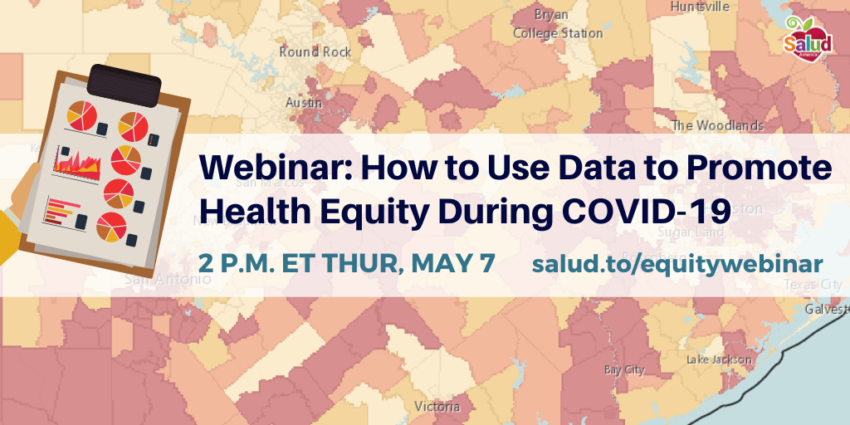
Salud America! led a national webinar to show how our Salud America! Health Equity Report Card can help you visualize and explore place-based health inequities in your county, and build a case toward solutions during these difficult coronavirus times. The webinar, “How to Use Place-Based Data to Promote Health Equity During COVID-19 Pandemic,” took place at 2 p.m. ET Thursday, May 7, 2020. Webinar speakers explored: How inequities in housing, transportation, poverty, healthcare, and access to healthy food and safe places to be active, contribute to disparities in infectious and chronic disease.
How you can use the local data, interactive maps, and comparative gauges in the Salud America! Health Equity Report Card to identify health inequity issues in your county.
...
The current novel coronavirus, COVID-19, is a respiratory illness — that means it harms the lungs more than other parts of the body. Many scientists say that COVID-19 feature pneumonia and affects the lung function, and is especially worrisome for those with weak lung or immune systems. Worse, many experts believe that if you smoke, or you're regularly around secondhand smoke, you may have a better chance of getting coronavirus. Smoking may also increase your risk of developing severe complications from the virus. "The lining of the respiratory tree becomes injured, causing inflammation," Dr. John Wilson, president-elect of the Royal Australasian College of Physicians and a respiratory physician, told The Guardian. "This, in turn, irritates the nerves in the lining of the ...