This is part of the Salud America! The State of Latinos and Housing, Transportation, and Green Space: A Research Review » Conclusions
Latinos need affordable housing options, access to reliable, relevantly routed public transportation, and connected, safe, and maintained green spaces for transportation and recreational use. Many societal and economic factors are responsible for the inequitable distribution of funds to support these projects. For instance, it was beyond the scope of this review to fully discuss the historical legacy of disparities. However, with proper political will and community activism, change can be made to improve access to affordable housing, public transportation, and green spaces in all types of Latino communities. A common theme across the research has ...
This is part of the Salud America! The State of Latinos and Housing, Transportation, and Green Space: A Research Review » Summary
Income-based fare reductions, improved scheduling, and transit routing improvements to link places of residence with places of employment are emerging ways to improve quality of life for Latinos living in the U.S. To improve transit connectivity and safe transportation options in Latino communities, smart advocacy decisions will have to be made. Transit routing improvements will have to address coverage gaps in the suburbs, disconnects between population centers and job nodes, and alignment of routes between riders and destinations [42]. Transit scheduling improvements must be made to meet the working hour needs and reliability required for regular ...
This is part of the Salud America! The State of Latinos and Housing, Transportation, and Green Space: A Research Review » Summary
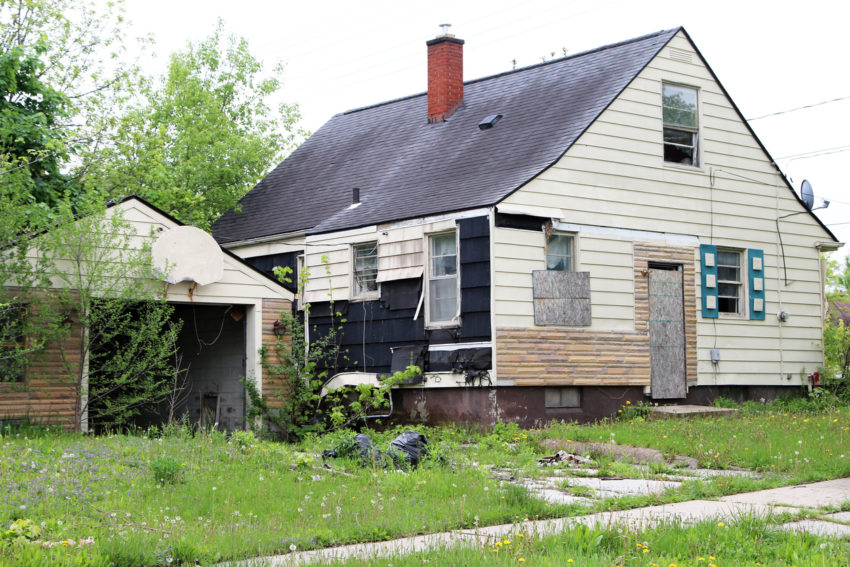
Two forms of intervention could improve the current state of housing instability in Latino communities. First, devoting more resources toward keeping renting families in their homes, and second, increasing the number of affordable housing initiatives with the ultimate goal of increasing the stock of affordable housing in Latino communities.
Keep Renters in Their Homes
Toward the first goal, development of a program that could provide aid to renters who experience drastic, but temporary, loss of income due to job loss, medical emergency, or other unexpected financial burden could prevent many forced displacements. In 2009, Milwaukee tenants facing ...
This is part of the Salud America! The State of Latinos and Housing, Transportation, and Green Space: A Research Review » Summary
Latino communities lack green spaces that are safe, accessible, functional, and culturally relevant.
What Are Green Spaces?
Within urban, suburban, and rural communities, green space can be natural or maintained outdoor public space, such as parks, playgrounds, sporting fields, school yards, day care and early care yards, greenways/trails, tree-lined sidewalks, community gardens, nature conservation areas, forests, as well as less conventional urban “green alleyways,” “pocket parks,” and green walls or roofs [52].
Green Space Inequities Exist
Unfortunately, access to and quality of green space is not equitably distributed. Compared with ...
This is part of the Salud America! The State of Latinos and Housing, Transportation, and Green Space: A Research Review » Summary
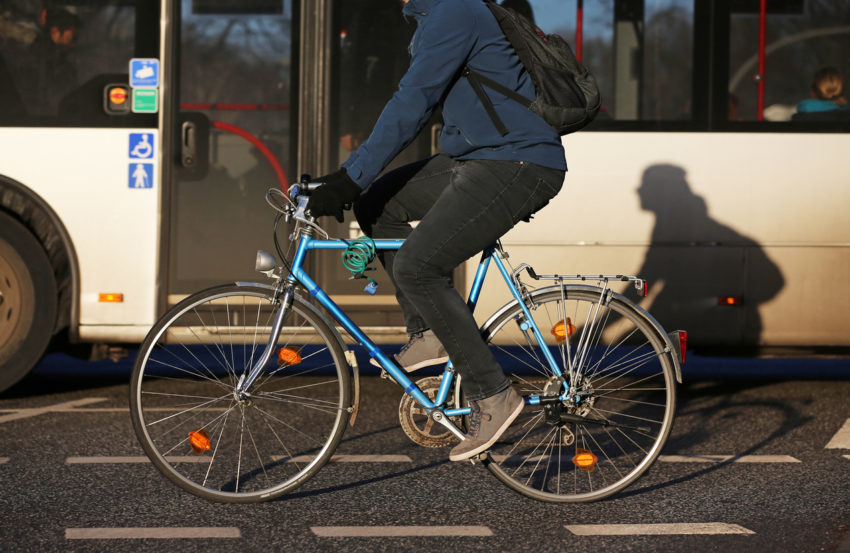
U.S. Latinos report specific transportation challenges that arise due to the discrepancy between where Latinos live versus where they work. These challenges include transit fare affordability, reliability, and coverage.
Latinos Use Public Transit Frequently
According to the Pew Research Center, Americans who are lower-income, non-White, immigrants, or under 50 are most likely to use public transportation on a regular basis [39]. Among urban residents, 27% of Latinos use public transit daily or weekly, compared to 14% of non-Latino Whites, and foreign-born urban residents are 20% more likely to regularly use public transportation than native-born urban ...
This is part of the Salud America! The State of Latinos and Housing, Transportation, and Green Space: A Research Review » Summary
A pattern of Latino migration to small town and rural areas in the Southeast and Midwest instead of to traditional urban centers has led to the formation of isolated, segregated rural Latino communities with unique housing and transportation needs.
The Latino Population Shift: From Urban to Rural
Real estate and transportation trends have shown two prominent residential shifts among Latinos. First of all, in urban areas, Latinos are living farther from transport hubs and amenities, where housing is more affordable. Secondly, a large number of Latinos are migrating into new areas where jobs are available and rents are more affordable, primarily to ...
This is part of the Salud America! The State of Latinos and Housing, Transportation, and Green Space: A Research Review » Abstract
Across the United States, Latino communities vary in affordable housing, safe and adequate transit, parks and open green space, and other elements that are necessary to fully thrive and achieve health equity. These differences in opportunity result in health disparities between different zip codes or census tracts—with poor health outcomes more prevalent in communities of color and low-income communities. It is perhaps even more critical to address these underlying social, economic, and environmental factors that contribute to health than to address the health disparities directly if we are to hope for long term changes in community health and ...
In another move to reduce clean water protections, the EPA plans to enact another ruling that will make it easier for companies to remove hazardous waste through dumping. This proposed directive would limit the protections of our rivers and lakes by allowing a loophole with greater flexibility for corporations to eliminate toxic waste by polluting the groundwater, according to Clean Water Action. This plan follows in the footsteps of the agency’s recently proposed “Dirty Water Rule,” and is part of a seemingly wide-reaching effort to reduce environmental protection efforts. The EPA wants your opinion on this proposed rule by June 7, 2019!
Email a Comment Now for Clean Water!
Dear EPA Office of Wastewater Management, Access to clean water should be a foremost ...
Federal, state officials have the ability to determine the legislative powers of smaller government bodies. While the distribution of federal and local power has been up for debate since the constitution's creation, one thing is clear: Preemptive laws have the ability to restrict lawmakers' capacity to propose, pass, and enact bills and acts that help the people they serve. However, Voices for Healthy Kids has available a preemption toolkit that will help communities promote health, well-being, and equity.
What is Preemption Law?
Preemption laws are those that come from a congressional body and give smaller governmental agencies no choice in their implementation. In other words, a higher form of government can limit a lower form of government from taking action on an ...