Researchers have recently discovered 65 genetic variants in minority populations, which could lead to improved specialized medicines for those groups. Up to this point, doctors have conducted the majority of medical discovery research using data from people with European ancestry, according to the international science journal, Nature — leading to a lack of diversity that hinders precision medicine for minority populations. The news is excellent for Latinos and all minorities who have traditionally been understudied or left out of clinical research. “This is an extremely important public health issue,” Misa Graff, assistant professor in the school’s epidemiology department and co-author of the paper told UNC News. “We need to work hard to make sure that the ...
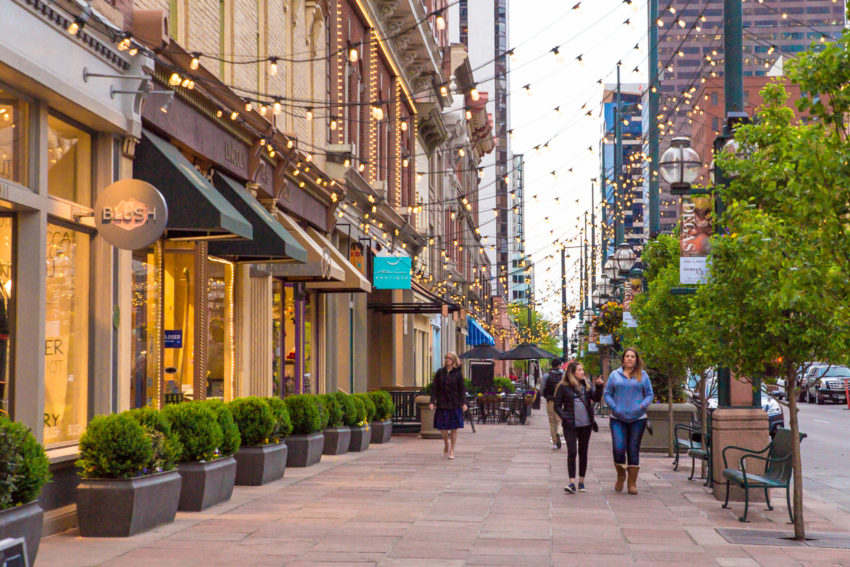
Walkable urban places correlate with economic, social equity, and environmental benefits, according to a new report. The new report, Foot Traffic Ahead 2019, ranks the amount and characteristics of walkable urban places in the 30 largest U.S. metropolitan areas. Unfortunately, just 0.04-1.2% of land in these cities counts as walkable urban places. The new report explores the reasons for this deficiency and outlines how cities can stimulate more walkable urbanism and its many benefits. “U.S. metros where the public and private sectors work together to adapt and deliver increased supply of walkable urban places will be the economic and social justice winners of the next generation,” according to the Foot Traffic Ahead report, released in June 2019 by Smart Growth ...
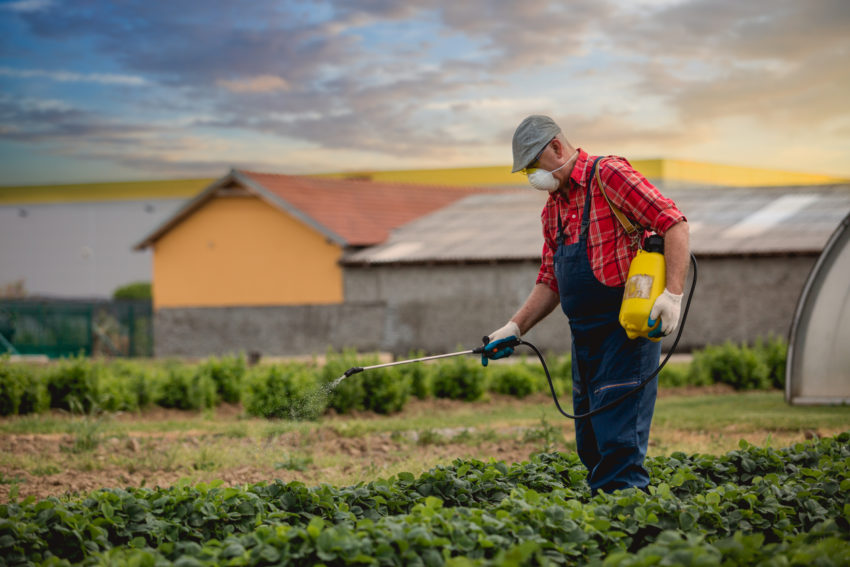
Roundup manufacturer, Bayer, has faced countless lawsuits over their products’ toxic link to cancer development — now, they’ve begun a $5.6 billion research project to find safer alternatives. The company announced this 10-year plan last week, urging they have heard consumer concerns and vow to make concrete changes going forward. The statement comes as Bayer fights over 13,000 court cases and large payouts to families who claim they got cancer from exposure to Roundup. “We are now starting to implement a series of measures to drive transparency and sustainability across our business,” Bayer’s CEO, Werner Baumann, said in a statement.
Plans for the Future
The company aims to find safe alternatives to harmful chemicals, such as glyphosate, and promote honesty, ...
As part of their more significant trend of weakening environmental rules, the EPA announced a reduction in groundwater protections on April 15. Yet, 24,088 people and organizations submitted a public comment to the agency — including 2,028 emails, about 10% of all comments, from SaludAmerica! network members. Many of these statements urge government officials to rethink the act of allowing corporations more flexibility to eliminate toxic waste by polluting groundwater. Other groups, such as Clean Water Action, also sent data and expert opinion to show how EPA’s plans could continue to harm our waters and climate. "This is a reckless departure from past practice and agency precedent. It’s a senseless handout to polluting industries, at the expense of our water and health," ...
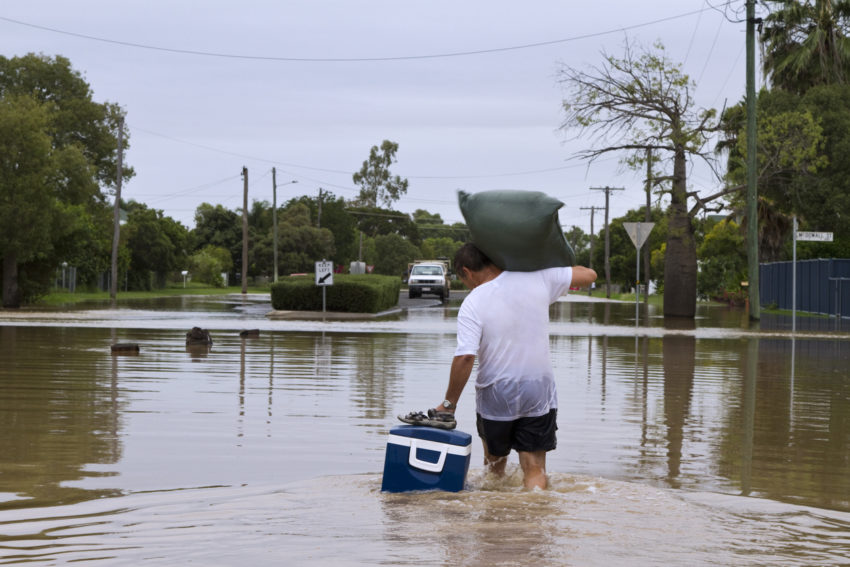
The impacts of climate change will significantly affect the lives of Latinos and all Americans — including drowning their cities. By 2100, 35 towns and cities in the U.S. could experience such extreme flooding that those places could become inhabitable, according to an in-depth news report published in USA Today from 24/7 Wallstreet. Latinos, who make up between 23% to 67.7% of the population in 10 of these areas, face substantial risks if climate-change trends continue. “The steady rise in global surface temperatures is largely attributed to human-caused greenhouse gas emissions,” writes report authors Michael B. Sauter and Thomas C. Frohlich. “With rising temperatures, the world’s ice has been melting and sea levels have been rising. As a result, barring major ...
In a seemingly coordinated effort to minimize climate change concerns, the Trump administration is reducing environmental protection rules. Now, they want to diminish scientific data that demonstrates its potential harms. Last month, James Reilly, director of the United States Geological Survey (USGS), ordered his agency’s scientists to limit climate change estimations to only predict effects until 2040. Up to now, models would assess climate change repercussions through 2100. Scientists are concerned because the worst climate harm could come after 2050, according to The New York Times. This is bad news for Latinos, who are especially impacted by pollution. “Failing to look beyond 2040 [on climate science] is like pretending a baby born today won’t live past 21,” ...
Freshly painted walls are linked to up to a 10-times higher risk of exacerbating asthma in children, according to a recent study by the University of Miami. The research also showed even greater danger for asthma complications if these children took asthma medication and came in contact with second-hand smoke. Researchers say this data indicates a direct line between environmental exposure and worsened symptoms. “Paint exposure is a significant risk factor of an asthma attack while other environmental exposures including second-hand smoke further intensify this effect,” said Dr. Nadia Saif, a study author who conducted the research at the University of Miami but is now at the University of Virginia, Charlottesville, according to Medpage Today. “Airway remodeling is a ...
Would you still buy your favorite fragrance spray if its package had a “hazard” sticker on the front? That’s what researchers from the Royal College of Physicians and the Royal College of Pediatrics and Child Health in the United Kingdom hope to see, according to The Times of London. Their recent study of volatile organic compounds (VOCs) in products prompted the call for such warnings. “Liberally going around spraying chemicals around your house that are complex and react with other chemicals — you’ve got to weigh up the benefits of that,” said Stephen Holgate, a professor of Immunopharmacology at the University of Southampton and one of the review authors. “Are there not other things you can do, like buy a nice bunch of flowers?”
Issues in Products
Similar to ...
Media producers Joseph Smooke and Dyan Ruiz have seen the harsh impact of unaffordable housing on Latino families in San Francisco. Rents rise. Wages don't. Latinos get priced out of their homes—forced to move further away from health-promoting assets like jobs, transit, and medical care. Many people don't know why this happens, or what to do. Smooke and Ruiz, who created a media group to advocate for equitable public policies, wanted to empower families who face housing crises and build public demand for solutions. So they went to the drawing board—literally.
San Francisco and Unaffordable Housing
Looking for an affordable place to live in San Francisco is like searching for a needle in a haystack. Especially in places like the city's Mission District. The ...