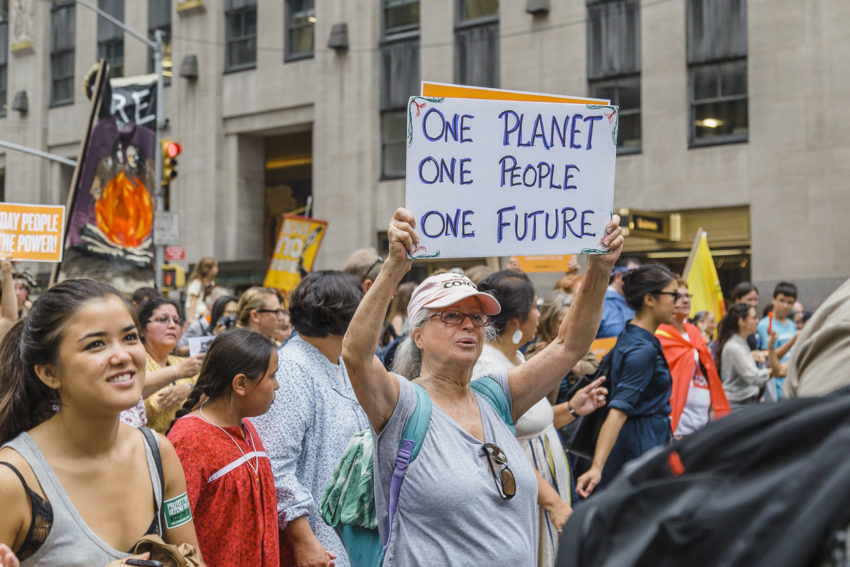
In a seemingly coordinated effort to minimize climate change concerns, the Trump administration is reducing environmental protection rules. Now, they want to diminish scientific data that demonstrates its potential harms. Last month, James Reilly, director of the United States Geological Survey (USGS), ordered his agency’s scientists to limit climate change estimations to only predict effects until 2040. Up to now, models would assess climate change repercussions through 2100. Scientists are concerned because the worst climate harm could come after 2050, according to The New York Times. This is bad news for Latinos, who are especially impacted by pollution. “Failing to look beyond 2040 [on climate science] is like pretending a baby born today won’t live past 21,” ...
Freshly painted walls are linked to up to a 10-times higher risk of exacerbating asthma in children, according to a recent study by the University of Miami. The research also showed even greater danger for asthma complications if these children took asthma medication and came in contact with second-hand smoke. Researchers say this data indicates a direct line between environmental exposure and worsened symptoms. “Paint exposure is a significant risk factor of an asthma attack while other environmental exposures including second-hand smoke further intensify this effect,” said Dr. Nadia Saif, a study author who conducted the research at the University of Miami but is now at the University of Virginia, Charlottesville, according to Medpage Today. “Airway remodeling is a ...
Would you still buy your favorite fragrance spray if its package had a “hazard” sticker on the front? That’s what researchers from the Royal College of Physicians and the Royal College of Pediatrics and Child Health in the United Kingdom hope to see, according to The Times of London. Their recent study of volatile organic compounds (VOCs) in products prompted the call for such warnings. “Liberally going around spraying chemicals around your house that are complex and react with other chemicals — you’ve got to weigh up the benefits of that,” said Stephen Holgate, a professor of Immunopharmacology at the University of Southampton and one of the review authors. “Are there not other things you can do, like buy a nice bunch of flowers?”
Issues in Products
Similar to ...
Media producers Joseph Smooke and Dyan Ruiz have seen the harsh impact of unaffordable housing on Latino families in San Francisco. Rents rise. Wages don't. Latinos get priced out of their homes—forced to move further away from health-promoting assets like jobs, transit, and medical care. Many people don't know why this happens, or what to do. Smooke and Ruiz, who created a media group to advocate for equitable public policies, wanted to empower families who face housing crises and build public demand for solutions. So they went to the drawing board—literally.
San Francisco and Unaffordable Housing
Looking for an affordable place to live in San Francisco is like searching for a needle in a haystack. Especially in places like the city's Mission District. The ...
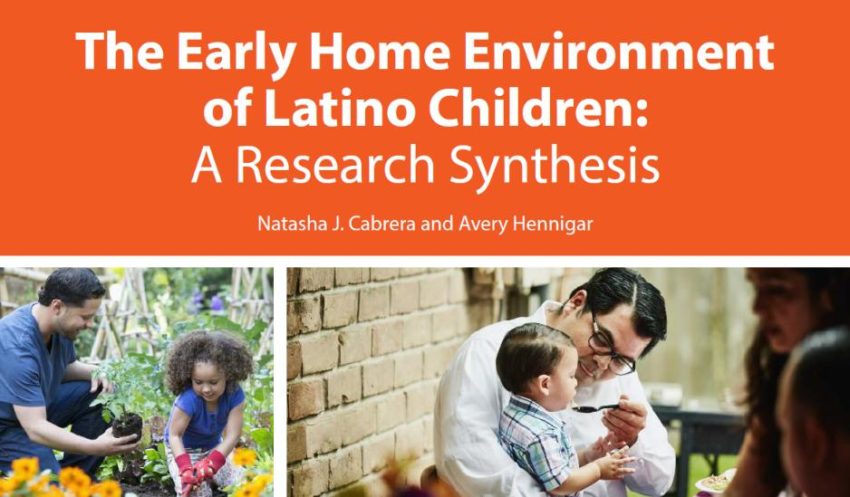
Early childhood experiences impact early-stage development, lifelong health, and overall wellbeing. There is an urgent need to conduct research on the early home experiences of Latino children, according to a new report from the National Research Center on Hispanic Children and Families. Current research focuses more on families’ risk factors and deficits, rather than on protective factors and strengths. Moreover, much of the research that concentrates on early home environments to date has studied white, middle-class families. Little is known about how cultural norms, beliefs, values and expectations are embedded in Latino parenting and how Latino parenting practices promote development and cognitive and social competence. The National Research Center on Hispanic Children ...
Hazardous firefighting substances are tainting a wide range of foods, exposing numerous Latinos and Americans to harmful materials that do not break down in the body over time. The FDA confirmed widespread per- and polyfluoroalkyl (PFAS) contamination this week. Their findings show high levels of the substance in meat, seafood, dairy, vegetable, and dessert products, according to the Environmental Working Group (EWG) “Measuring PFAS concentrations in food, estimating dietary exposure and determining the associated health effects is an emerging area of science,” the FDA writes in a statement. Additionally, FDA spokesperson Tara Rabin told the Associated Press that most contamination levels were “not likely to be a human health concern.”
Investigation Findings and ...
When alarmingly high levels of perfluoroalkyl and polyfluoroalkyl substances (PFAS) contaminated Bemidji, Minnesota’s (5.4% Latino) water, the city shut down two of its five wells. The city is planning to build a new $2 million well to ensure clean water. State lawmakers saw the harm PFAS, which are used as flame retardants, pose. So, the Minnesota (1.5% Latino) legislators passed a bill that bans those health-harming substances in many products used by consumers. Even worse, when those items catch fire, they release noxious fumes into the air, which harms firefighters throughout the country. “What we've learned over time is that those chemicals actually don't do much as far as fire protection,” Rep. Jamie Becker-Finn, one of the bill's authors, told Minnesota Public Radio ...
Cancer, mortality rates continue to decline for men, women, and children, according to an annual report released by the National Institutes of Health. Great news, right? Not so fast. In a special section of the report, researchers found that cancer development and mortality rates increased between 2011 and 2015 for women ages 20 to 49 — whereas men, who historically have higher rates than women, did not experience such gains. The data also shows continuing disparities among Latinos and other racial/ethnic populations. “We are encouraged by the fact that this year’s report continues to show declining cancer mortality for men, women, and children, as well as other indicators of progress,” said Betsy A. Kohler, executive director of North American Association of ...
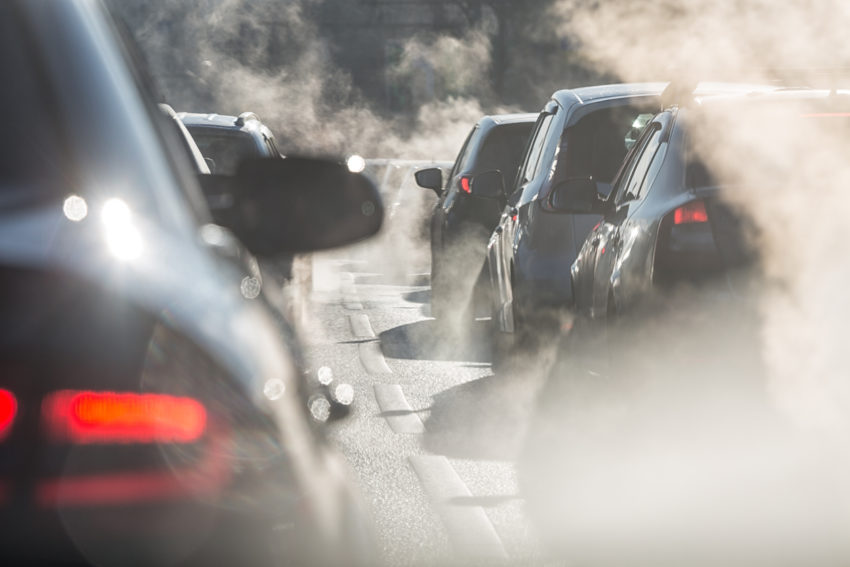
Childhood brain development is a sensitive process, and researchers now say air pollution from highways and streets could harm or hinder that progression. Worse, kids who live close to major roadways can face significant adverse effects from the air, according to a recently published study in Environmental Research. The data showed that these children scored lower on communications tests as well as other cognitive functions. This is alarming data for Latinos, who are already exposed to greater levels of air pollution.
What Does the Study Show?
Researchers collected data from 5,800 children (5.8% Latino) living throughout New York state (19.2% Latino). They excluded New York City (29.1% Latino) from their study group. They began gathering prenatal levels of particulate matter ...