Claire’s, the popular accessories store, has recalled three cosmetic items that the FDA reports contain asbestos, a mineral known to spur lethal cancers. While the company believes the FDA’s findings are inaccurate, they have rescinded eye shadow, compact powder, and contour powder products. Claire’s also gave customers the option of returning these items for a full refund. “Every day millions of Americans assume the cosmetics they use are safe, but unfortunately that is not always the case,” Congressman Frank Pallone, Jr., who requested an investigation of these products, said in a statement. “The reality is that cosmetics are one of the least regulated consumer products on the market.” So how safe are beauty products, really, especially for Latinos? Latinos and ...
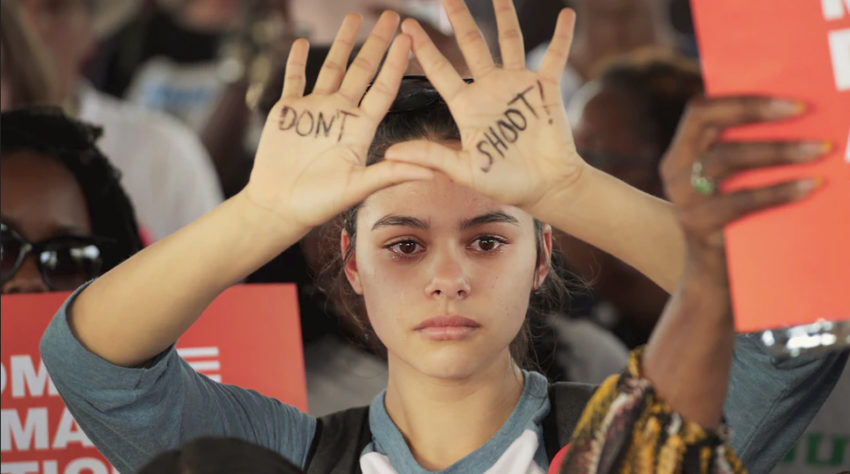
Nearly 17,000 Latinos were killed with guns in California from 1999 through 2016, which mirrors a national rise in gun violence, according to a new study from the Violence Policy Center. But the alarming data doesn't end there. In 2016, Latino firearm homicide victimization rate was 4.40 per 100,000. That is more than three times the white firearm homicide victimization rate of 1.45 per 100,000. The firearm homicide victimization rate jumps to 6.63 per 100,000 for Latinos ages 10-24. “For far too long, we have not had actionable data on Latino gun violence in California," said Fernando Rejón of the Urban Peace Institute. "This [Violence Policy Center] report provides us with critical information to understand the impacts and make change."
California's Shocking Gun Violence ...
Homes that have vinyl flooring or certain kinds of furniture are now known to raise the levels of potentially harmful compounds in children, according to recently presented research. Flame retardant chemicals and cushioning in sofas raised children’s concentrations of polybrominated diphenyl ethers (PBDEs) six times in comparison to children not exposed to these chemicals. Worse, kids who live in homes with vinyl flooring showed concentration levels up to 15 times greater than their peers. “[These chemcials] are widely used in electronics, furniture, and building materials and can be detected in nearly all indoor environments,” said Heather Stapleton, a Duke professor and environmental chemist, who led the study. “Nonetheless, there has been little research on the ...
At least 9.6 million U.S. children (13%) live in poverty. Among Latino children, poverty rates are even higher (22% vs. 8% white children). These children will often lack quality education and healthcare while suffering trauma and poor health outcomes. But what if there was a way to fight poverty? Or better yet, what if you had a road map with the most effective ways to fight poverty? A new bipartisan report produced by the National Academy of Sciences, Engineering, and Medicine (NASEM), focuses on 10 big policy areas that could cut the child poverty rate by up to 50%, while at the same time increasing employment and earnings among adults living in low-income families. Researchers conducted two simulations or projections for each policy area to explore the effects that ...
Regulators in California are taking steps to bar the use of chemicals found in cosmetic nail products linked to pregnancy concerns and respiratory problems. In February, the state (39.1% Latino) Department of Toxic Substances Control (DTSC) proposed deeming toluene-based products under “priority” status, which requires manufacturers to phase out or find alternatives to brands containing the substance. Latinos, who already face chemical exposure in the workplace, in the foods they buy, and in other products on the market, should be aware of other potential risk. The DTSC is currently taking online public comments on toluene-based, nail-care items. UPDATE: The DTSC has extended the public comment period until April 1, 2019!
Submit a Comment for Safe Nail Products!
Here’s ...
Big Bird, Elmo, and friends have connected with children on TV for years—now Sesame Street is helping parents and community providers help kids and families grow smarter, stronger, and kinder. Sesame Street in Communities provides hundreds of bilingual, multi-media tools to help parents and community providers engage kids and families in everyday activities to boost early childhood development. All content is available for free in English and Spanish.
Parents and Caregivers
Parents and caregivers can find activities and videos for all age ranges on 28 topics. These go from healthy eating to traumatic experiences. Eating Well: Food insecurity can make things seem hopeless. But programs like the Supplemental Nutrition Assistance Program (SNAP) and the National School ...
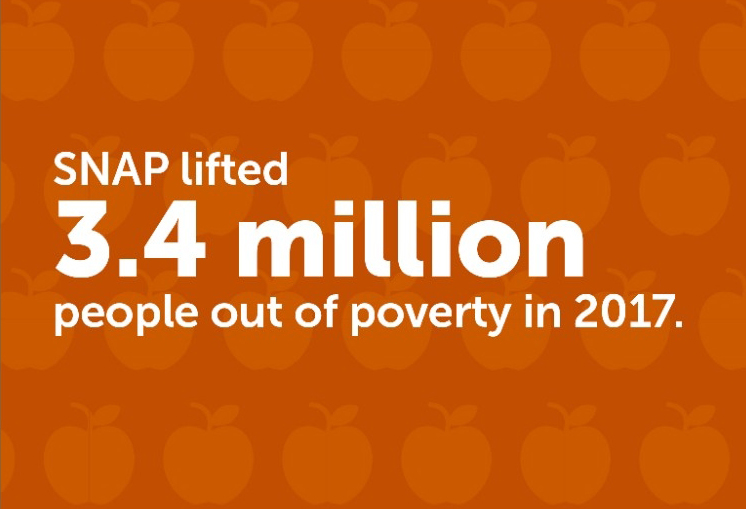
The SNAP federal food assistance program is at risk again, and YOU CAN HELP! The Trump Administration wants to cut SNAP and could abolish food aid to 750,000 Americans who are underemployed and unemployed. This could fuel hunger and poverty among those most vulnerable, says the Food Research & Action Center. SNAP cuts would hurt Latinos, who are already less likely to seek nutrition help for fear of immigration penalties. You can make a public comment to USDA on SNAP until April 2, 2019.
How to Submit a Comment to Save SNAP!
1. Copy one of our Salud America! model comments. Tweak the parts in green:
SNAP HAS VALUE I am a NAMEOFPROFESSION in NAMEOFPLACE. I really value the SNAP program in my community. SNAP is proven to improve the economy, according to a Salud America! ...
Paid leave reduces the use of public services, boosts employee productivity, and can help families better succeed—yet three in four Latinos are unable to take such time. Despite data that shows its benefits, there is no federal requirement to provide paid family leave. The 1993 federal Family and Medical Leave Act (FMLA), legislation most businesses follow, does not cover all workers and leave offers are unpaid. Lack of paid leave and other economic support contributes to health and economic disparities among Latinas, Latinos, and low-income families. Still, paid leave is gaining popular support, including a proposal for universal paid family leave. “If the [corporate officers and directors] gets paid leave, then the factory floor worker should also get paid leave,” ...
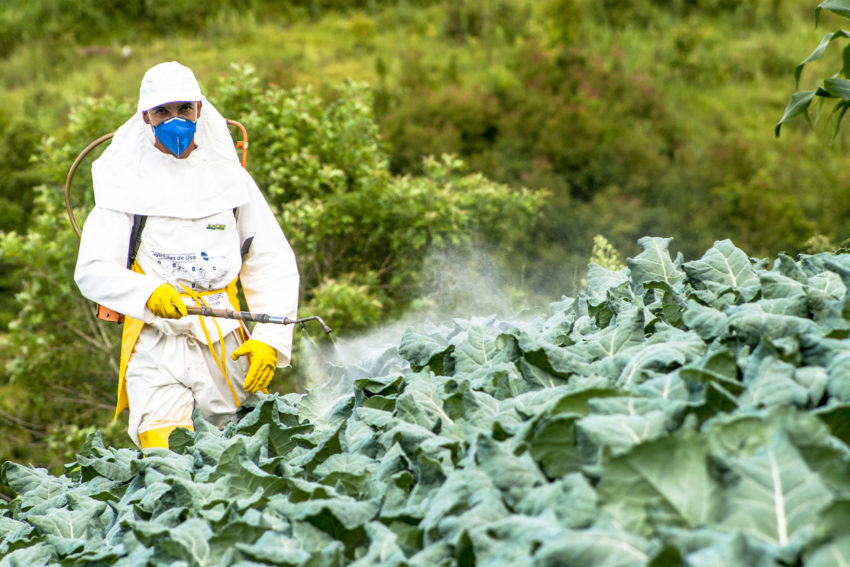
Exposure to a widely used substance in weed killers is connected to a 41% increase in the likelihood of developing cancer, according to a new study. Researchers found people who regularly interacted with high levels of the chemical, glyphosate, had a higher chance of contracting non-Hodgkin lymphoma (NHL), reported in findings published in Mutation Research. This is important for Latinos and those in poverty, who tend to disproportionately live in regions where glyphosate is sprayed in California (39% Latino). Rachel Shaffer, a study author and a University of Washington doctoral student, told UW News the new study gives a current and in-depth examination of links between NHL and glyphosate. “These findings are aligned with a prior assessment from the International Agency ...