The Trump Administration has announced its final decision regarding the public charge rule, which is set to take effect Oct. 15, 2019. This new regulation changes the policies used to decide whether the officials can deny an individual's citizenship application or modifications to their citizenship status if they are determined likely to become a public charge, according to the Kaiser Family Foundation. The changes could considerably reduce the number of legal immigrants permitted to enter and stay in the U.S. — by making it easier to reject green card and visa applications. The new rule is bad news for public health, according to Mark Del Monte, CEO and Interim Executive Vice President of the American Academy of Pediatrics. "[We] strongly opposes the final rule issued ...
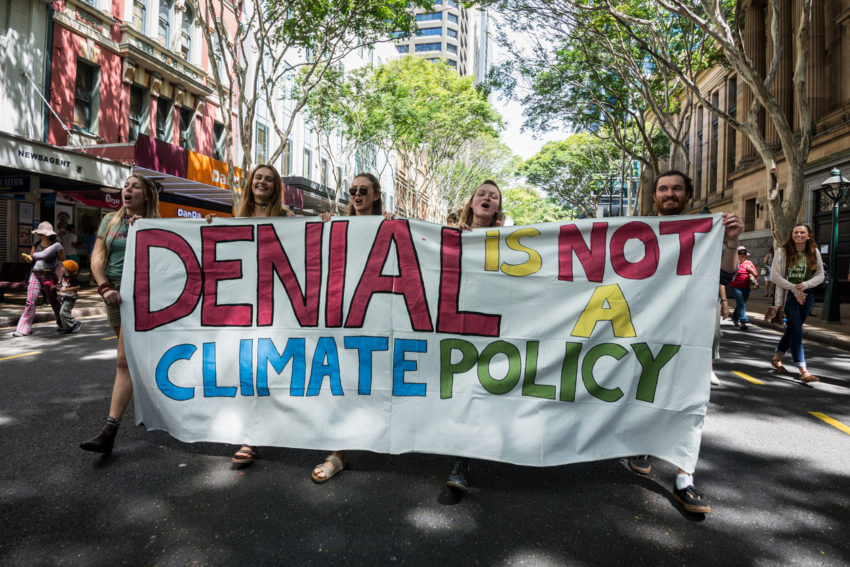
Since taking office, the Trump administration has made numerous moves that reduce the government’s role in combating climate change – including scientific research. In April, the United States Geological Survey (USGS) announced it would no longer project climate change’s long-term impacts. This means a reduction in our understanding of the issue's full scope could occur as a result. In response, 1,505 members of the Salud America! network sent USGS Director James Reilly a message: Do not limit climate science by limiting the data researchers collect. Other individuals and groups also spoke out against this decision. A coalition of 20 Senators— including Kamala Harris and Dianne Feinstein—sent Reilly a letter that shorter projections would make it harder to gauge and ...
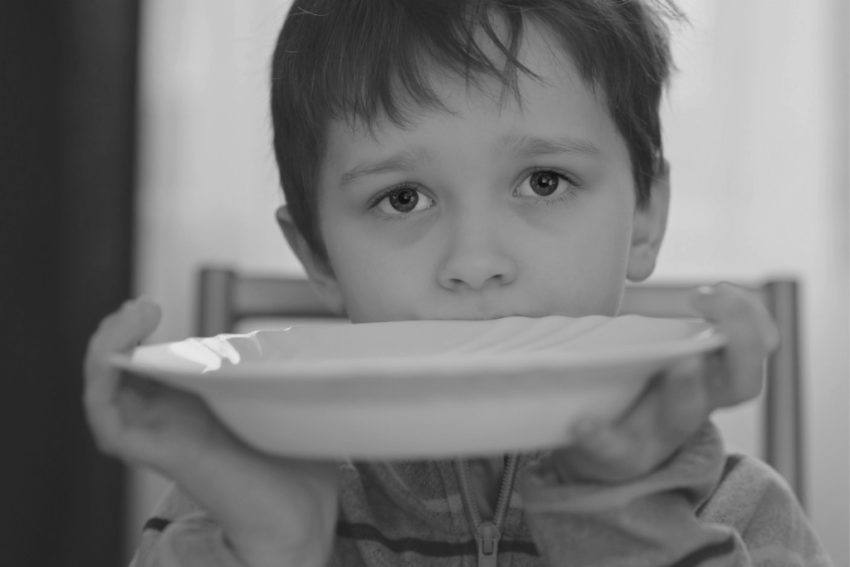
The attack on SNAP food aid is far from over. After staving off cuts to SNAP in 2018 and 2019, the Trump administration now wants to change the way states determine who qualifies for Supplemental Nutrition Assistance Program (SNAP). The change could take away food from 3 million people, according to health experts. "This rule would take food away from families, prevent children from getting school meals, and make it harder for states to administer food assistance," Sen. Debbie Stabenow of Michigan and the Senate Agriculture Committee told NPR. USDA is asking for public comments on SNAP until Sept. 23, 2019.
How to Make a Comment to Save SNAP!
1. Copy one of our Salud America! model comments. Tweak the parts in green:
SNAP HAS WORTH
I am a NAMEOFPROFESSION in NAMEOFPLACE. ...
Like many large-scale manufactured products in today’s society, the shirts, sweaters, and pants found on the racks contain harmful chemicals – some of which can cause breakouts and rashes. One primary health concern, allergic contact dermatitis, forms on one’s body when their skin comes in contact with harmful substances. Worse, it can have a delayed effect, and now researchers suggest that consumers wash all newly-purchased clothing before wearing. “What’s maddening for the consumer is that you buy a shirt that says ‘100% cotton,’ and yet you’re given no information about any of the chemicals or additives that have been used,” David Andrews, a senior scientist who has investigated chemicals in clothing with the Environmental Working Group, told TIME.
What ...
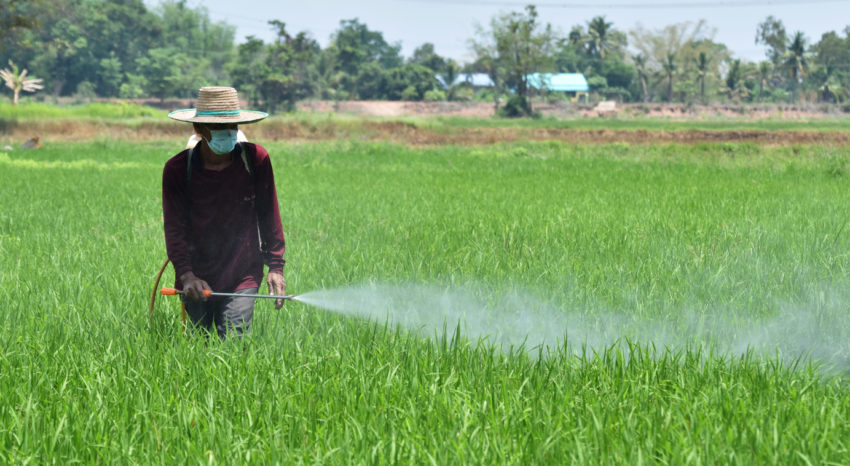
UPDATE: August 8, 2019 Six states filed lawsuits against the EPA over chlorpyrifos—a pesticide that is linked to numerous and life-threatening effects—yesterday. Researchers have connected this form of chemical exposure to the development of cognitive, physical complications, according to The Hill. The states, which include California (39.3% Latino), New York (19.2%), Massachusetts (12.3%), Washington (12.9%), Maryland (10.4%), and Vermont (2%), say the chemical is too dangerous to be on the market. “Parents shouldn’t have to question whether everyday fruits and vegetables will poison their children,” California Attorney General Becerra said in a press release. “The EPA is egregiously sacrificing our children’s health by refusing to make a determination on this ...
Improving safe routes for people to bike can help cities reach their health, equity, economic, and climate change goals. Kansas City, Missouri (10.2% Latino), for example, can save 36 lives every year and increase local spending by $500 million if the city fully implements its bike plan over the next two decades, according to a new study from the University of Missouri Kansas City’s Department of Architecture, Urban Planning, and Design. Commissioned by Bike Walk Kansas City, researchers analyzed various social and economic benefits of the Kansas City Bicycle Master Plan. “This research confirms how essential a quality bike network is to so many city goals: safety, health, economic opportunity, and fiscal sustainability,” Bike Walk KC’s Director of Community Planning, ...
Latinas and black women may face increased risks of developing triple-negative breast cancers (TNBC), according to a study published in Cancer. These forms are often aggressive and do not respond to hormone therapy or targeted therapy. These latest findings solidify known cancer development disparities, which continue to grow amongst Latinos, other racial/ethnic minority groups, and young women.
Breast Cancer Inequities Dr. Lia Scott, of the Georgia State University School of Public Health, and her team studied all available diagnosed breast cancer cases from 2010 to 2014 using the U.S. Cancer Statistics database. It consists of a population-based surveillance system of cancer registries with numbers representing 99% of the U.S. population. "With the advent and ...
Roughly 40 million Americans, or 12% of the population, are drinking federally unregulated water. The problem? These sources can contain harmful bacteria and chemicals, which can unknowingly infect those drinking from that water, according to ChangeLab Solutions. Latinos, who already struggle to access clean water, should be aware of the risks unregulated water pose. “Ensuring safe drinking water for all US residents is a crucial component of creating healthy, equitable communities across the nation,” ChangeLab writes. “These residents are more likely to be exposed to harmful bacteria or unsafe levels of nitrates and arsenic, which can lead to inequities and serious health consequences for families and entire communities.”
What are the Risks?
Jacqueline MacDonald ...
From air contamination to water pollution, current white house officials are taking sizable steps to reduce the government’s role in environmental protection. Now the EPA implemented new rules that rescind Obama-era green energy regulations set on the coal industry—a promise the President made on the campaign trail. These rules cut initiatives to reduce America’s emissions levels and allow plants to operate longer hours, according to the New York Times. Andrew Wheeler, Chief the Environmental Protection Agency administrator and a former coal lobbyist, said his agency implemented the rollback to correct the previous administration’s overreach in climate change issues. Still, many researchers and advocates oppose the new rule for “dirty power.” “No matter how you ...