The Institute for Integration of Medicine & Science (IIMS) and the College for Health, Community, and Policy (HCaP) at UT San Antonio wants to fund a new batch of one-year Community Engagement Small Project Grants. The grants aim to help promote, develop, and expand community- academic research partnerships for the translation of science from basic discovery to clinical practice, to that benefit public health, according to the 2026 funding announcement. Last year’s grants enabled seven teams of researchers to translate scientific findings to benefit public health in San Antonio. These projects covered topics such as gun violence prevention, neurofeedback and childhood creativity, environmental lead hazards, and more. Now your team could be the next ones to ...
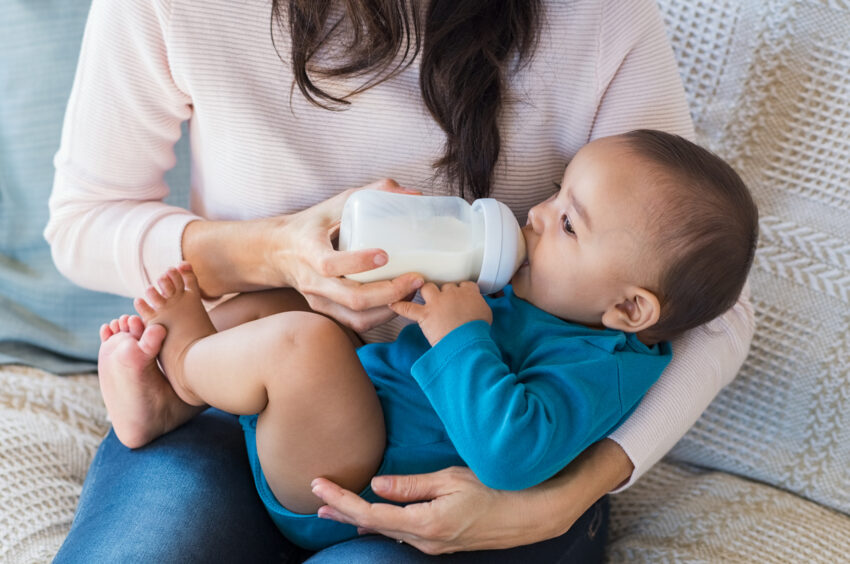
From breastfeeding to solid foods and vegetables, the U.S. Centers for Disease Control and Prevention (CDC) address childhood food issues in a new report, Early Childhood Nutrition. The report covers: Breastfeeding
Support for Infant Feeding
First Solid Foods
Healthy Eating
Affordability of Nutritious Foods Let’s dive deeper into the report and how it impacts families with children.
1. Most Infants Don’t Receive Full Health Benefits from Breast Milk
The CDC report found that only 2 in 5 infants born in 2022 were still being breastfed on their first birthday, meaning that most infants do not receive the full health benefits that breast milk can provide. “Breastfeeding is the best source of nutrition for most infants. It helps protect babies and moms from ...
The USDA’s newest Dietary Guidelines for Americans, 2025–2030 focus on eating more real foods and less highly processed ones. The guidelines, released on Jan. 7, 2026, also contain a refreshed food pyramid. Let’s look at 10 recommendations in the new guidelines and how it can impact everything from and how it can impact everything from how to shop at the grocery store to how you cook at home.
1. Eat Real Food
The new dietary guidelines have a simple foundation: eat real food. That means more diets built on whole, nutrient-dense foods like protein, dairy, vegetables, fruits, healthy fats, and whole grains. Pair that with a “dramatic reduction” in highly processed foods laden with refined carbohydrates, added sugars, excess sodium, unhealthy fats, and chemical ...
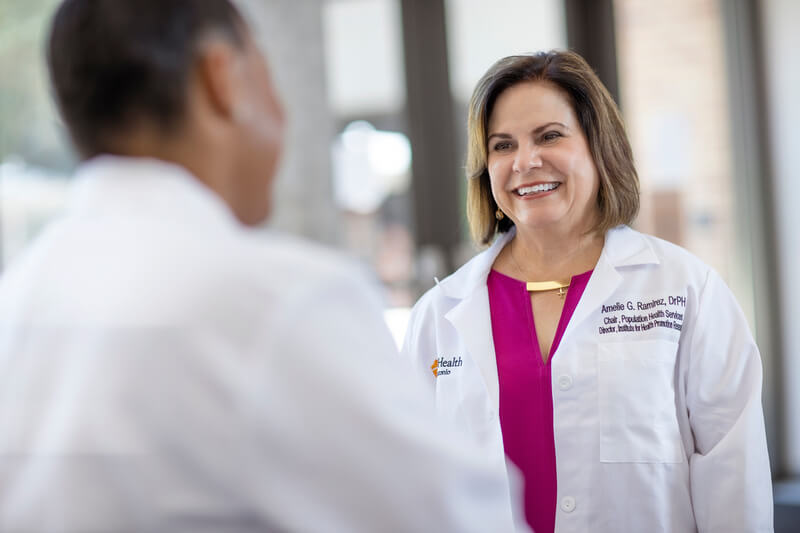
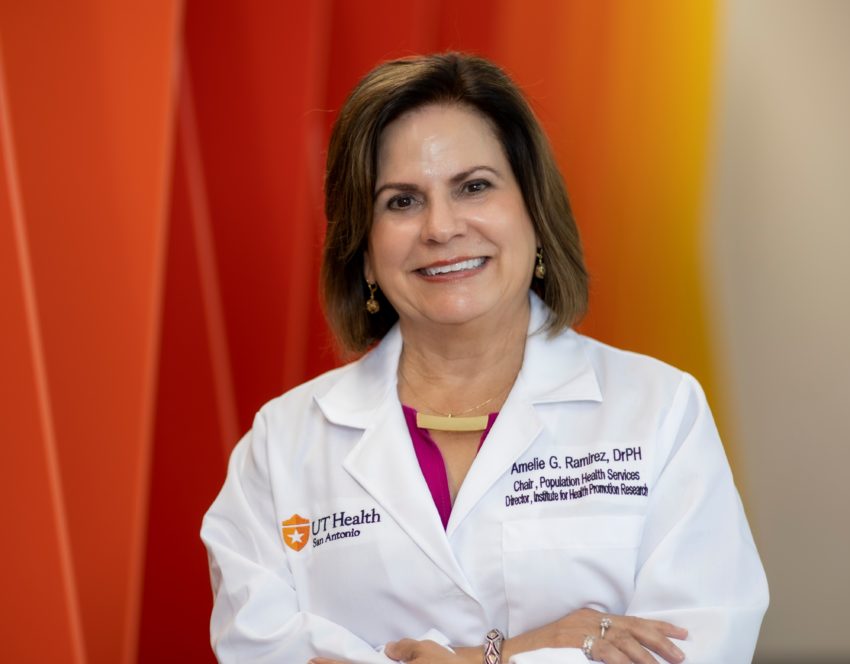
How can we help our abuelos and other loved ones who are dealing with Alzheimer's disease? Clinical trials! These are studies with volunteers that help researchers learn more to help slow, manage, and treat Alzheimer’s for current and future family members. But without volunteers for clinical trials, the benefits may miss certain groups. That's why Salud America! is joining the San Antonio Center for Alzheimer’s Disease and Related Dementias (AD/ADRD) Population Aging and Social Studies (CAPAS). CAPAS will unite researchers from UT San Antonio, the Center for Brain Health, the Biggs Institute for Alzheimer’s and Neurodegenerative Diseases, and others. Community Impact, a local news agency across Texas, featured the effort in an article and interviewed Dr. Amelie G. ...
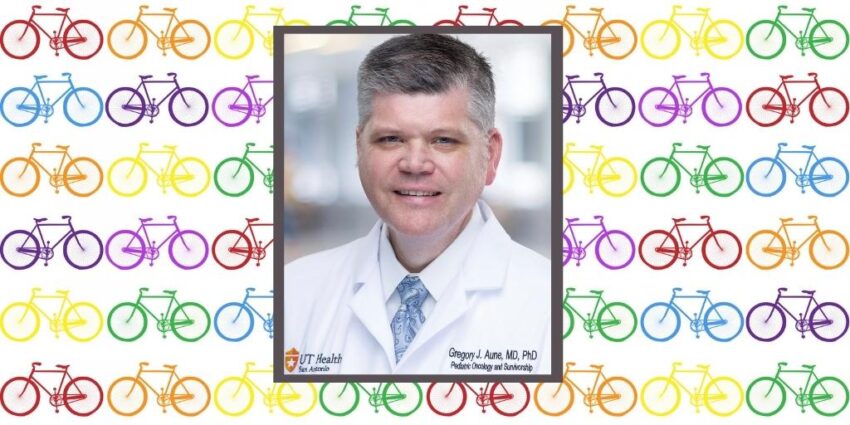
Gregory Aune was 16 when he was diagnosed with Hodgkin’s Lymphoma. Aune spent a year enduring grueling treatment, losing over 70 pounds. But he survived. His experience motivated him to pursue a clinical career and help children with cancer. Today, Dr. Aune is an associate professor of pediatric hematology and oncology at the Greehey Children’s Cancer Research Institute (GCCRI) of UT Health San Antonio, on a mission to find new ways to help and heal patients. That's why he helped found the Gear Up Against Kids Cancer Bike Ride — to raise awareness of childhood cancer and support the mission of the GCCRI. The inaugural Gear Up Against Kids Cancer Bike Ride took place on April 2, 2022, in Floresville, Texas. The 5th annual bike ride is set for 8 a.m. on Saturday, May ...
Firefighters are at higher risk of cancer than the general population. That is the reason for the new San Antonio Firefighters Cancer Prevention Program. The program aims to better understand and reduce the cancer burden among local firefighters and emergency medical services personnel. It is a partnership of the San Antonio Fire Department, UT Health San Antonio, and Sylvester’s Firefighter Cancer Initiative at the University of Miami. Now the program is featured in an article in San Antonio Medicine, a publication of the Bexar County Medical Society. The article was written by Dr. Rachelle Hamblin, a family medicine physician at Health by Design, the SAFD Retiree Police and Firefighter Clinic; Dr. Amelie G. Ramirez, leader of the Institute for Health Promotion Research at UT ...
Dr. Amelie G. Ramirez, leader of Salud America! and cancer health researcher at the Mays Cancer Center at UT Health San Antonio, has been selected for the Lifetime Achievement Award from the National Hispanic Council on Aging (NHCOA). The award honors individuals who have "demonstrated a significant and lasting impact on improving the lives of older adults, particularly Hispanic older adults," by promoting health and building healthy communities. Ramirez received the award at the 2025 NHCOA Awards Ceremony on Dec. 18, 2025, in Washington, D.C. Watch the livestream of the award ceremony. "I am truly humbled to be selected," Ramirez said. "NHCOA’s work is deeply meaningful, and to be recognized by an organization so dedicated to advancing the well-being and dignity of our ...
Breastfeeding has many health benefits for both mothers and babies. For mothers, breastfeeding can help speed up the recovery process after birth, reduce long-term health risks, including breast and ovarian cancers, and help with postpartum weight loss due to the extra calories being burned. For infants, breastfeeding contains optimal nutrition for immune protection from illnesses helps with brain development, and reduces risks of chronic health conditions like obesity. Unfortunately, without access to Spanish-language lactation resources, too many Latinas give up breastfeeding too soon. That’s where the Mama Sana Program comes into play. The program offers mothers Spanish-language support to help them navigate the difficult journey that is ...
Breast cancer is a common cancer affecting US women, including Latinas. While breast cancer is very treatable, many Latinas get diagnosed at later stages when the cancer has already spread, resulting in a higher risk of death. The best way to detect breast cancer early is by getting your annual mammogram. However, many women, including Latinas, have dense breast tissue, making it harder to conduct a mammogram and detect cancer. Here are eight things you need to know about breast density and cancer.
1. Dense Breasts Occur When There is Less Fat than Tissue
The Breast Cancer Research Foundation (BCRF) defines dense breasts as a measure of how two types of breast tissue found in the breast compared to the amount of fat tissue. Dense breasts are categorized ...