by
by Share On Social!
Less than half of the 2.25 million adults in the US who live with intellectual and developmental disabilities (I/DD) were part of government programs that helped people receive assistance, such as Medicaid and Medicare.
To ensure healthcare providers can connect people to much-needed services, UT Health San Antonio’s live webinar, “From Healthcare to Policy—Exploring Medicaid and Medicare Access for Adults with Intellectual and Developmental Disabilities (I/DD),” on Tuesday, Sept. 22, 2026, focused on ways to connect healthcare providers with much-needed resources to keep adults with disabilities on their insurance.
Webinar host Dr. Amelie Ramirez, leader of Salud America! and the Institute for Health Promotion Research at UT Health San Antonio, was joined by experts from the National Hispanic Health Foundation (NHHF), a representative from Genentech, and organizations working to improve quality of life for individuals with I/DD, their families, and caregivers.
Together they explored how to navigate the changing climate of government-assisted healthcare, build literacy and competency around Medicaid and Medicare for I/DD populations, and improve access to care through policy and system changes.
This webinar was sponsored by the National Hispanic Health Foundation and Genentech.
Attendees were invited to fill out pre-webinar and post-webinar surveys. Your survey responses can help us gauge the effectiveness of this webinar to communicate this topic and influence future webinars.
Learn about the Speakers for this Webinar on Care for I/DD Adults
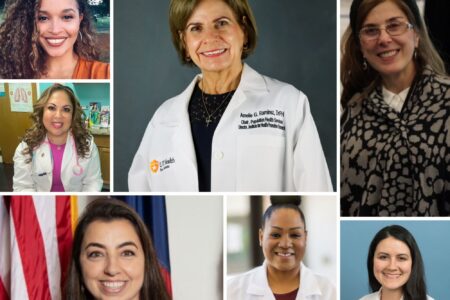
Here are the panelists for the webinar.
Panelist presentations and discussion will be moderated by Dr. Amelie Ramirez.
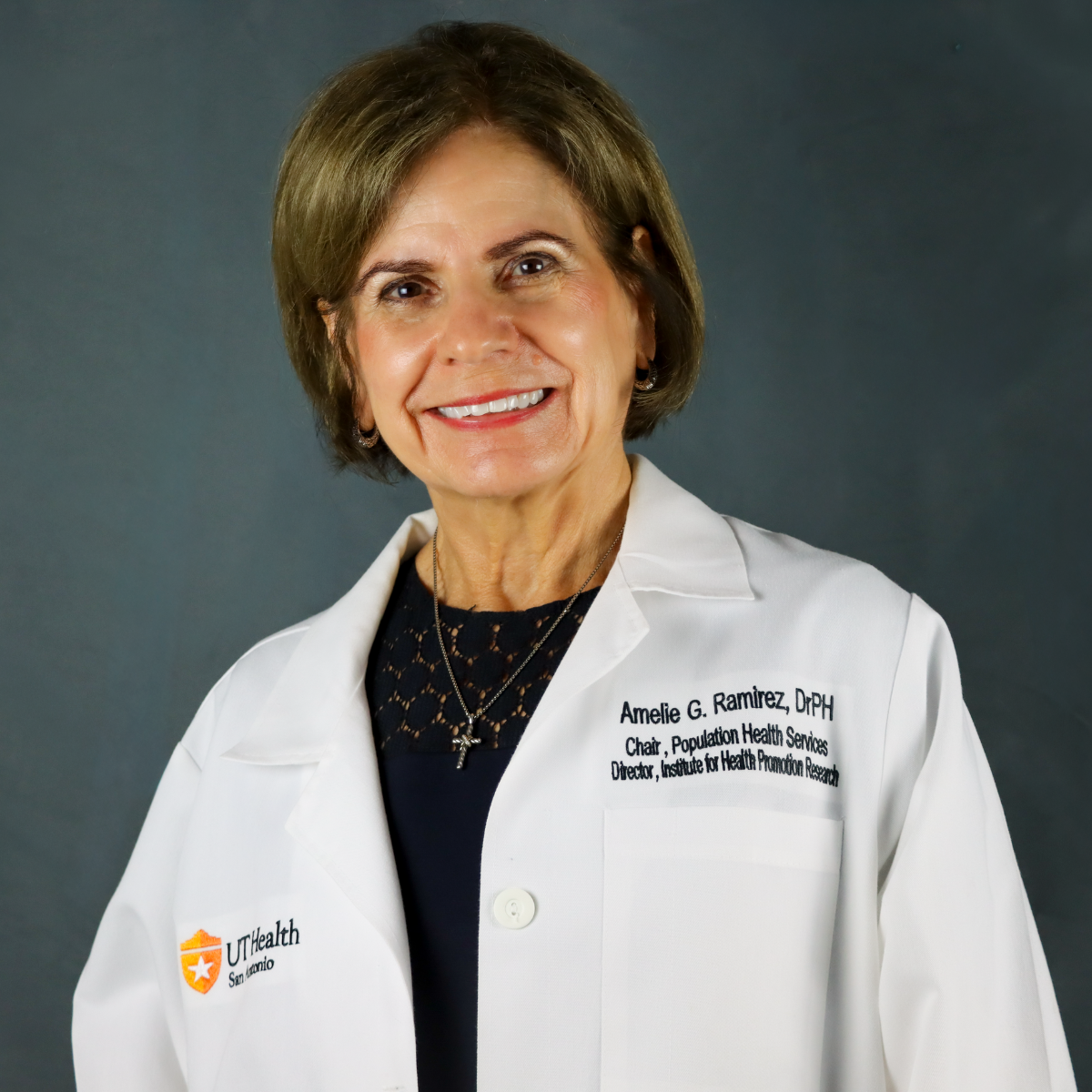
Amelie G. Ramirez, DrPH (moderator), an internationally recognized researcher in health promotion and behavioral change, is director of Salud America! and leader of the Institute for Health Promotion Research in the Department of Population Health Sciences at UT Health San Antonio. She has spent over 30 years directing research on human and organizational communication to reduce chronic disease and cancer among all people, including cancer risk factors, clinical trial recruitment, tobacco prevention, and obesity prevention. She also is associate director of cancer outreach and engagement at the NCI-designated Mays Cancer Center at UT Health San Antonio.

Elena Rios, MD, MSPH, MACP, is the founder and president of the National Hispanic Health Foundation (NHHF) and is on the National Hispanic Leadership Agenda, Better Medicare Alliance, Natural Resources Defense Council, and others.
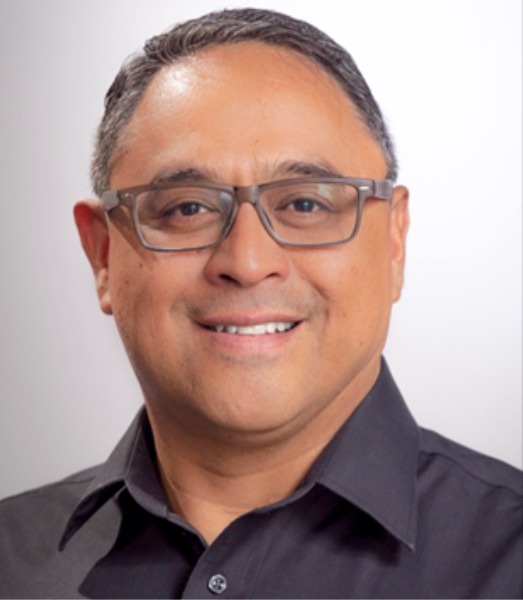
Francisco J. Ronquillo, MA, PA, is the Health Extension Regional Officer for the Office for Community Health at UNM’s Health Sciences Center. With more than 20 years of experience in community and public health, Mr. Ronquillo has dedicated his career to advancing health improvement and language access for overlooked populations. His work has focused primarily on serving communities new to the U.S. by providing background-tailored and linguistically appropriate health information and education in both English and Spanish.
As a Health Extension Officer with an academic health center, Francisco takes a holistic, upstream approach to improving health outcomes by addressing the non-medical drivers of health. He works collaboratively with community organizations, healthcare systems, and academic partners to bridge gaps between communities and health resources, ensuring that individuals have fair access to the information, services, and support they need to thrive.
Driven by a commitment to community engagement and health improvement, Mr. Ronquillo continues to champion strategies that empower overlooked populations, strengthen cross-sector partnerships, and promote sustainable solutions that improve health and well-being for all.
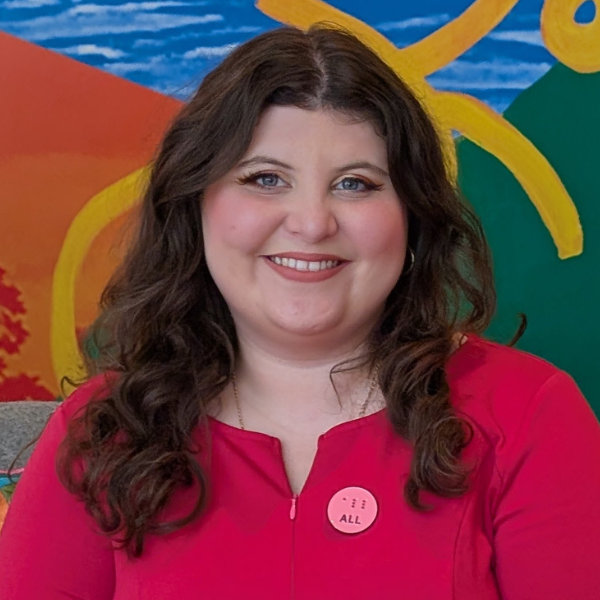
Yulissa Chávez is a Policy Fellow with the Coalition of Texans with Disabilities. From Galveston, Texas, Yulissa Chávez is the eldest daughter of a Mexican family of five. She is a first-generation American and a first-generation student. She grew up learning Spanish as a first language and is a proud Norteña with roots from Nuevo Leon, Mexico.
Yulissa’s interests are in healthcare, education, and more. She specializes in education policy, specifically how Texas public schools are funded and how education affects the quality of life of a person, from health to incarceration, and wealth. She graduated with her Bachelor of Arts in Government from The University of Texas at Austin and her Masters of Public Affairs from the Lyndon B. Johnson School of Public Affairs. During her tenure, Yulissa became a Friar, was one of the Barbara Jordan National Forum Student Co-Chairs, and was the Communication and Marketing Director for the LBJ School’s first-ever Latino Policy Research Symposium.
Yulissa has worked across the spectrum as a cartoonist, researcher, activist, and public-school teacher in Austin ISD. As a public-school teacher and grassroots organizer, Yulissa has led workshops, produced content to empower and inform the public of issues, mentored and guided first-generation students, and researched a variety of issues.
In her spare time, Yulissa enjoys playing with her cats, painting, creating faux cakes, and watching films.
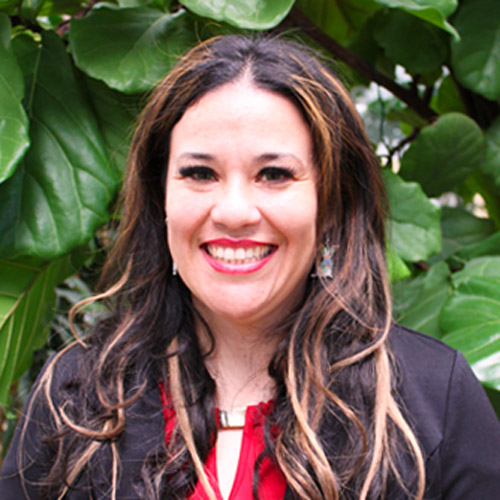
Vanessa Ochoa is the Special Advisor for DRC’s Strategic Partnerships and Community Engagement (SPACE) Unit. Currently, Vanessa is an active member of DIJC which includes Spanish speaking individuals with various disabilities. Vanessa is a host for Community Solutions Program (CPS) and Professional Fellowship Program (PFP) which works with international disability leaders to provide input on fairness for individuals in other countries with disabilities. Through the CSP and PFP Vanessa has hosted several fellows from Sri Lanka, Vietnam, Tanzania and Fiji. Vanessa provided integrated leadership curriculum and individualized coaching throughout the fellowship. Fellows returned home to apply their new skills through a community action project.
Vanessa has worked extensively throughout the state with various communities providing training and empowers families to advocate on their own. As the daughter of parents from Mexico, a person with a mental health disability and as a mother of children with disabilities, Vanessa is passionate about connecting with overlooked groups especially Latino monolingual Spanish speaking families and cooperating with community members to ensure the needs and concerns of the group are addressed in a background-tailored and linguistically competent manner. Her lived experience is her driving force to connect and uplift communities to ensure people with disabilities from overlooked and language distinct communities know about their rights and receive fair services and support.
Behind the Webinar Series on I/DD
“From Healthcare to Policy—Exploring Medicaid and Medicare Access for Adults with Intellectual and Developmental Disabilities (I/DD),” is part one in a two-part series of webinars on I/DD and Medicaid/Medicare access.
Sponsored by the National Hispanic Health Foundation (NHHF) and Genentech, this pair of webinars are being produced in response to the health insurance crisis because of recent changes to government-assisted health care access.
The changes, which include significant cuts to programs, increased hurdles to program participation and renewal, and there are more deterrents for expansion of eligibility, are slated to cut the health care coverage of 14 million Americans.
Many of these people are Latinos and adults with intellectual and developmental disabilities.
The second webinar in this series, “How to Support Caregivers and Families of Adults with Intellectual and Developmental Disabilities (I/DD),” will focus on caregivers and families struggling to navigate the changes to Medicaid and Medicare enrollment for I/DD adults.
That webinar is scheduled for Thursday, Nov. 5, 2026, at 6 p.m. Central time.
Explore More:
Embracing All PeopleBy The Numbers
44
million
immigrants live in the United States