by
by 
Share On Social!
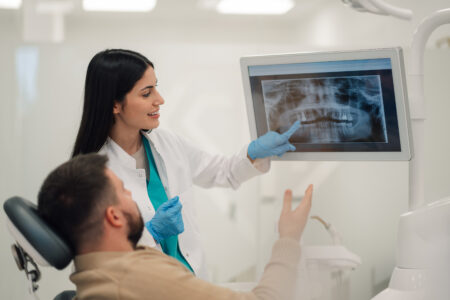
Health care providers are the most common source of health information for Americans, who view them as more accurate than other sources, according to data from the Pew Research Center.
Pew research shows that 85% of Americans say they get health information from health care providers at least sometimes.
Next up, 66% of Americans learn from others going through similar health experiences, 36% get health information from social media, and 22% from AI chatbots.
Let’s dig deeper into this data and learn more about how this can impact health of others.
Sources of Health Information
Pew Research Center surveyed 5,111 U.S. adults from Oct. 20 to 26, 2025, to better “understand how Americans make sense of today’s crowded health information environment in a moment in which the number of potential sources of health information are expanding.”

Health care providers are at the top of the list when it comes to where Americans get health information, including 51% who say they go to this source often or extremely often.
Major health websites like WebMD and Mayo Clinic were also what 60% of Americans turn to for information.
“In addition to these medical sources, many Americans also learn from other people who share their health experiences,” according to the Pew Research Center.
46% of Americans get their health information at least sometimes from journalists and news organizations, while 45% said they get information from government health agencies.
“Meanwhile, social media and AI chatbots — two newer digital information sources – are the least common sources of health information we asked about,” according to the Pew Research Center.
Ultimately, the results find that the norm for most American’s includes getting health information from multiple sources, with 73% reporting that they get health information at least sometimes from three or more of the seven sources that were surveyed.
Differences That Factor into Receiving Health Information
When it comes to health insurance, those with health insurance coverage are more likely to get health information from health care providers, according to the Pew Research Center.
“But people without coverage are more likely than those with coverage to turn to social media and AI chatbots, although at much lower rates overall,” Pew Research states.
Education can also be a factor when it comes to people getting health information.
Americans with more formal education are more likely than those with less formal education to get health information at least sometimes from most of the sources surveyed.
“However, there are no education differences on the frequency of getting information from people with a similar health issue and from social media,” according to the Pew Research Center.
Additionally, older adults are more likely to say they at least sometimes get health information from health care providers, while younger adults are more likely than their older adults to use social media and AI chatbots at least sometimes.
Accuracy of Health Information
Through the Pew Research Center survey, Americans also rated the accuracy of health information that they receive from various sources.
“Nearly all Americans get health information from health care providers, and a majority find this information highly accurate – much more than any other source,” Pew Research states.
Of the 48% of Americans who get health information from websites say they’re highly accurate, compared to the 9% who say the information is not too or not at all accurate.
Accuracy seems to be the lowest with social media, with 47% of people who get health information from social media say that information is not too or not at all accurate.
Results also find that Americans have mixed experiences judging the accuracy of health information regardless of the source.
“Half of Americans say it is at least somewhat difficult to judge the accuracy of health information,” according to the Pew Research Center.
While these challenges are reported across demographic groups, younger adults are somewhat more likely than their older counterparts to have at least some difficulty evaluating accuracy.
Additionally, Americans with lower incomes and lower education levels find that judging the accuracy of health information at least somewhat difficult.
Conflicting Health Information
Sometimes, when people read or receive health information, they compare it to information they’ve already heard.
In fact, most Americans say they come across conflicting health information.
When they do, 54% say it is at least somewhat difficult to know which information to trust.
“As with judging the accuracy of health information they come across in general, older Americans and those with more income or education report fewer difficulties,” Pew Research states.
The complete findings for the survey can be accessed here.
Improve Health in Your Community
The health information we receive through various sources can be an important factor to our overall health.
How is the state of health in your community?
Find out by downloading a Salud America! Health Report Card for your town!
Enter your county name and get auto-generated local data with interactive maps and comparative gauges on several health indicators. This can help you visualize and explore local issues in education, housing, transportation, food, health, and more.
See how your county stacks up compared to the rest of your state and nation.
Then email the Report Card to local leaders to raise awareness, include the data in a presentation or grant proposal, or share it on social media to drive healthy change in your community!
Explore More:
AccessBy The Numbers
142
Percent
Expected rise in Latino cancer cases in coming years