 by
by 
Share On Social!
As summer come to an end, children and families are gearing up for another school year.
Between the school supplies, new clothes, and getting back into the routine of things, it’s important to ensure students and families are healthy and safe!
With this in mind, let’s look at helpful reminders for back to school.
1. Keep a Sleep Schedule
Having a consistent sleep schedule can impact one’s health and wellbeing.
For example, studies show an association between insufficient sleep and obesity.
“Poor sleep is also linked with the likelihood of developing diabetes and, over a longer term, with heart problems,” according to the Children’s Hospital of Philadelphia.
Consistent sleep schedules also support emotional regulation and mood stability, cognitive ability, immune system strength, and more.
Recommended sleep based on age includes:
- Teenagers: 8–10 hours per day
- Babies (<1 year): 12–17 hours per day
- Toddlers: 10–14 hours per day
- Children: 9–13 hours per day
Ensure a healthy sleep schedule for children with a bedtime routine for both young children and teens, avoiding caffeine, and creating a bedroom that is conducive to sleep.
2. Provide Nutritional Food
The saying “breakfast is the most important meal of the day” still stands firm.
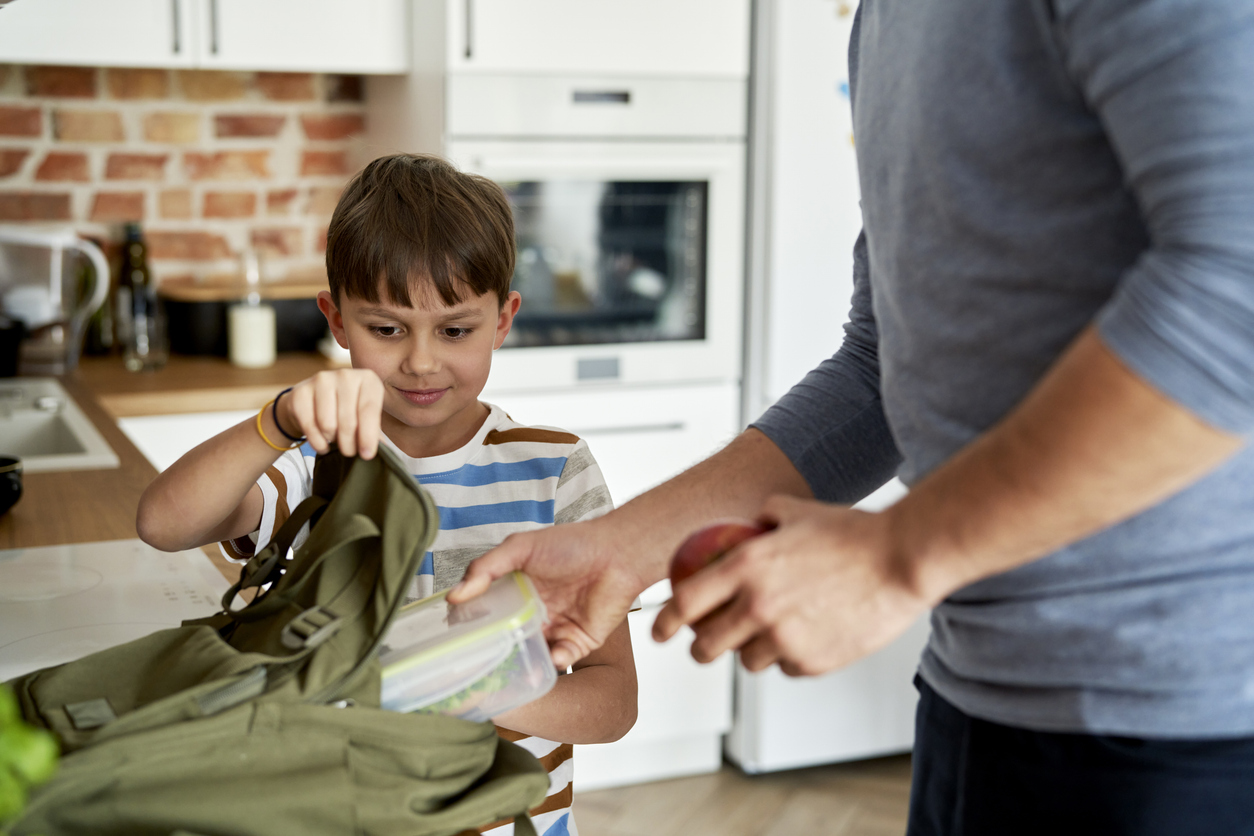
In fact, a balanced nutritious breakfast is linked to several benefits for kids, including healthier body weight, better memory and attention, and better overall nutrition and health.
“They do better in school, and have better concentration and more energy,” according to the American Academy of Pediatrics.
Parents can find a list of easy and healthy breakfast ideas from Johns Hopkins Medicine.
If possible, packing balanced lunches and snacks and limiting processed foods and sugary drinks can also help children maintain good nutrition.
“Eating healthy after-school snacks is important, too, as these snacks may contribute up to one-fourth of the total calorie intake for the day,” John Hopkins Medicine states.
Allergy awareness is also important for children to understand and practice.
Working with the school to ensure teachers and the nurse know what to do in an emergency and providing necessary medications and reviewing safety steps with your child can help make sure they stay safe.
“Even if your child doesn’t have allergies, teach them not to share food, snacks, or medicine with classmates,” the Texas Hospital Association states.
3. Practice Good Hygiene
While in school, children are in close contact with others throughout the day.
With this in mind, practices like handwashing are essential.
Parents can practice a step-by-step demonstration with younger children to show them how to thoroughly clean their hands.
Additionally, teaching children to cover their mouth with their elbow or a tissue when coughing or sneezing can help protect themselves and other students from illness.
“Kids are very busy, and hygiene is not top of mind for them all the time, so maintain a routine and make sure that every time after they go to the bathroom, they’re washing their hands or having teeth brushing as part of the morning and evening routine,” said Dr. Miram Dreifuss of Northwestern University.
4. Keep Immunizations Up to Date
Vaccine requirements are safe and effective ways to prevent the spread of common diseases that could harm children in classroom environments.
In school, students are exposed to countless germs on a daily basis.
“By preventing infectious diseases, vaccines directly reduce school absenteeism, protecting the consistent attendance necessary for academic progress,” according to Kids and Teens Primary Healthcare.
Following school immunization requirements helps schools to remain healthy, productive places where every child can thrive.
“Don’t forget seasonal vaccines [like flu], which can help reduce absences and keep classrooms healthy,” the Texas Hospital Association states.
Exploring the Health of Your Community
All of these factors contribute to children’s health.
But what does the health of their community look like?
Download a Salud America! Health Report Card!
The report card will show you how many local children live in poverty and food deserts, how many have low food access, and how many get SNAP food benefits. Then you can compare it to your state and to the country.
Email your Health Report Card to community leaders, share it on social media, and use it to make the case to address food insecurity where help is needed most!
By The Numbers
142
Percent
Expected rise in Latino cancer cases in coming years