by
by 
Share On Social!
This content is from UT Health San Antonio’s book, “Advancing Cancer Research for Latinos and All Populations: 2026 Conference Proceedings,” which highlights results of the same-named conference in February 2026.
Combating Misinformation About Cancer Prevention on Social Media Among Latino Audiences
Dr. Yonaira M. Rivera is Assistant Professor of Communication at Rutgers School of Communication & Information.
Health misinformation on social media
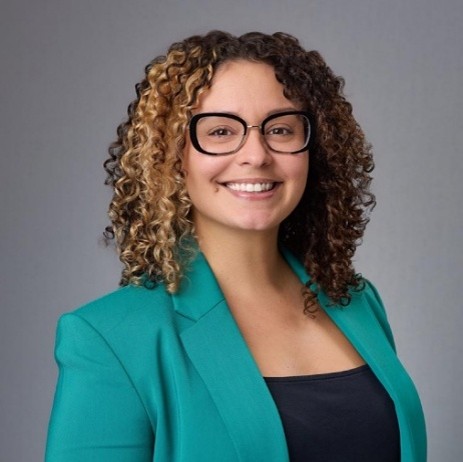
Dr. Rivera’s presentation began by discussing health misinformation on social media. In order to address social media-based health misinformation, 5 approaches are needed: enhanced surveillance, understanding psychological drivers, assessing real-world consequences, a focus on vulnerable populations, and the development of an effective response.
Interestingly, a study of social media use during the coronavirus epidemic conducted by Neilsen and colleagues revealed that Latino individuals were 57% more likely to use social media platforms as a primary source of information about the coronavirus compared with non-Hispanic individuals. This increased use of social media among Latinos is especially stark when looking specifically at WhatsApp and Instagram. According to Pew Research Center, approximately 56% of Latino individuals use WhatsApp compared to only 23% of non-Hispanic White individuals.
While this trend is concerning, studies have also shown that social media can be used to promote health initiatives among Latino populations. However, social media engagement among Latinos must be understood before it can be effectively utilized.
Several factors determine engagement with and utilization of health information and misinformation. According to research, being female is associated with health information acceptance. Age, education level, and income have negative associations with health misinformation acceptance. Recommendation by a trusted source, such as content originally shared by friends, is associated with acceptance. Finally, racial minority status has been associated with greater susceptibility to health misinformation.
Latino social media engagement
Recent work by Dr. Rivera and colleagues found that Latino social media users had lower perceptions of the amount of health misinformation on social media and had higher engagement with video content compared with non-Latino White individuals. Lower perceptions of health misinformation predicted higher odds of watching videos, making health decisions, and discussing with a healthcare provider. In fact, Latino individuals perceiving little or no health misinformation were 2.91 times more likely to watch videos than non-Hispanic White individuals perceiving little or no health misinformation. Clearly, initiatives focused on health literacy tailored to subgroups such as Latinos are needed.
Qualitative studies by Dr. Rivera and colleagues found that social media post engagement may be happening even in the absence of liking, commenting, or sharing content of low scientific credibility. Instead, engagement may be passive but still influential to an individual’s understanding. Engagement with and credibility assessment of information are also influenced by culture. In fact, the source of the information appears to be more important than its credibility when it comes to culturally-relevant content. Finally, engagement may lead to online and offline actions that are not always evidence-based.
Culture is extremely influential in Latino social media engagement and credibility assessments. Credibility is often impacted by culturally-relevant, identity-related rationales such as cultural traditions and artifacts, recollections embodying cultural values, shared narratives, and religion and spirituality. Heuristics, or cues used to make a quick judgement about credibility, may influence decision-making. Frequently used heuristics in the realm of social media include endorsement, reputation, consistency, self-confirmation, expectancy violation, and persuasive intent.
Effective approaches counteracting misinformation
Dr. Rivera concluded the presentation by discussing characteristics of successful approaches to counteracting misinformation among Latino audiences. Interventions addressing the impact of health misinformation must begin with a knowledge of the audience. Shared identity, language, acculturation, political affiliation, trusted sources of information, social media use, and more are vital to developing effective interventions. Effective approaches for Latino audiences also involve narratives embedded with culture. Indeed, promotoras have been successfully used as trusted sources in a myriad of Latino-based health interventions and may be an effective way to combat health misinformation and reach Latino audiences. Finally, digital health literacy is vital and must be a focus of any successful intervention.
Connecting Patients to Clinical Trials using AI
Dr. Arturo Loaiza-Bonilla is Chief of Hematology and Oncology at St. Luke’s University Health Network, Co-Founder of Massive Bio, and Associate Professor at Lewis Katz School of Medicine at Temple University.
Gaps in biomarker testing and clinical trial enrollment
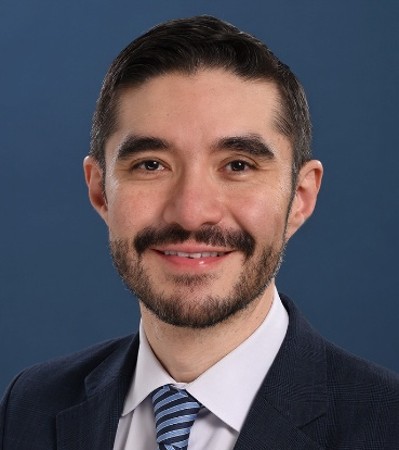
Dr. Loaiza-Bonilla began by discussing the need for, and opportunity presented by, biomarker testing. Despite the importance of comprehensive biomarker testing in guiding cancer treatment decisions, its adoption varies significantly by cancer type. Although insurance covers this type of testing, substantial gaps exist between guideline recommendations and real-world implementation.
Data on clinical trial enrollment is even more dismal. An analysis of more than 12 million cancer patients from 2004 to 2015 revealed that only 0.1% were enrolled in clinical trials. In fact, about 55% of clinical trials are shut down prematurely because of enrollment issues, and about 80% fail to meet their original enrollment deadline. The solution to these problems is to find a technological way to bring together patients and developers of new cancer treatments in near-real time, at scale, and with a patient-centric approach.
One of the reasons for this gap between patients and biomarker testing and clinical trials is the information gap faced by clinicians. Providers often have fragmented patient data such as electronic medical records (EMR), labs, and imaging. Furthermore, there are often complex or shifting clinical trial criteria making recommendation difficult. Finally, crucial next-generation sequencing (NGS) data may be underutilized.
The power of AI tools
Digital enablement and artificial intelligence (AI) offer a powerful way to cut through this complexity. Dr. Loaiza-Bonilla and colleagues recently developed an algorithm that extracted structured clinical parameters from patients’ medical records and retroactively matched them to digitized inclusion/exclusion criteria from over 14,000 actively recruiting interventional cancer trials. What would take 19,500 hours of human screening was achieved in approximately 1 hour for this AI tool. The time required for manual methods means missed matching due to changing eligibility windows, complex sequences, or dynamic clinical changes. Therefore, opportunities for patients and trials are lost due to information latency.
Digital trial-matching hubs are in the process of becoming part of core healthcare infrastructure. These systems are integrated and collaborative because they are embedded in multi-stakeholder initiatives (providers, sponsors, and advocacy groups), and because they are aligned with national strategies such as the Cancer Moonshot. Early results show higher accrual, faster activation, and increased participation from underrepresented groups when hubs are deployed. However, the ecosystem is still maturing and stronger data standards, interoperability, and broader access are needed.
This technology can be particularly impactful in clinical trial and cancer care deserts, where financial challenges are closely related to the geographic hurdle of trial access. In 2021, 85% of the 1,700,000 Americans diagnosed with cancer received care at local community-based practices. Generative AI can help analyze non-medical drivers of health and solve barriers.
Federated learning is a transformative approach in healthcare, enabling large-scale, privacy-preserving, and collaborative AI development across institutions, while addressing the critical challenges of data privacy, security, and governance. In federated learning, patient data does not leave the local data center, but models are shared in a multi-institutional, often international approach to compare data and improve generalizability. This can contribute to innovations in imaging, EMR analysis, drug discovery, and rare disease research.
A call to action
Dr. Laoiza-Bonilla closed the presentation by inviting listeners to engage with AI-based tools, not as a replacement for critical human connections in healthcare, but to reduce the limiting minutia preventing clinical trial participation and biomarker analysis. AI-powered, patient-centric pre-screening hubs—integrated with NGS data and real-time interoperability–can provide a practical, scalable way to streamline clinical trial enrollment, accelerate the translation of biomarker discoveries, and ultimately improve patient outcomes in the era of precision oncology.
Actionable steps for clinicians and researchers include piloting validated AI pre-screening tools and demanding seamless EMR/NGS interoperability. Meanwhile, institutions and administrators should champion the infrastructure and policy changes needed to make these pilots stick. Finally, pharmaceutical companies and trial sponsors should co-design AI-driven recruitment strategies to accelerate accrual and broaden the reach of trials and real-world evidence.
Using Technology to Promote Physical Activity, Nutrition, and Weight Management for Cancer Prevention
Dr. Carmina G. Valle is Associate Professor and Associate Chair for Research in the Department of Nutrition, and Associate Director of the Connected Health Applications and Interventions (CHAI) Core at the Gillings School of Global Public Health at the University of North Carolina.
The importance of physical activity, nutrition, and weight in cancer care

Dr. Valle began by explaining that excess weight and obesity are associated with an elevated risk of 13 different cancers. In the US, an estimated 40% of adults are living with obesity, and an additional 32% are overweight. Furthermore, only a quarter of US adults meet cancer prevention guidelines for aerobic and muscle strengthening physical activity. However, up to one third of cancer cases in the United States may be related to poor nutrition, physical activity, and obesity, and could be prevented. Diet and physical activity are not only important for cancer prevention, but for health promotion among cancer survivors as well.
Comprehensive weight management interventions are generally effective compared to usual control or minimal treatment among cancer survivors. Multicomponent interventions involving diet, physical activity, and behavior change support are key to improving anthropometric outcomes. However, few existing weight management interventions are designed for Latino populations.
The promise of digital interventions
Digital interventions show potential for promoting physical activity, nutrition, and weight management in cancer survivors. Some emerging evidence even exists on digital interventions among Latino populations, although this research has largely involved short-term pilot studies with small samples, few weight loss interventions, and limited cultural tailoring or adaptation.
A systematic review of digital interventions for weight loss showed that interventions using a combination of at least four out of five key components, including self-monitoring, counselor feedback and communication, group support, use of a structured program, and use of an individually tailored program, were more effective for weight loss compared to control conditions. Using smart scales and activity trackers to guide feedback may also improve weight and physical activity outcomes. Recent research by Dr. Valle and colleagues showed that regular self-weighing is associated with improved weight outcomes among African-American breast cancer survivors when promoted in the context of a weight gain prevention intervention. Lapses in daily self-weighing for 15 days were associated with a weight gain of 1 lb, while periods of daily weighing were associated with weight loss of .03 kg. Additionally, participants reported positive experiences and benefits from daily self-weighing and daily activity tracking.
Dr. Valle and colleagues have also shown the feasibility of using Facebook to promote physical activity in young adult cancer survivors, with improved total self-reported physical activity and weight management over 3 months. Furthermore, self-monitoring, social support, and interaction within the Facebook group were associated with increased physical activity.
More recent research by Dr. Valle and colleagues has shown that a theory-guided comprehensive mobile health (mHealth) physical activity intervention designed for young adult cancer survivors was more effective in improving moderate to vigorous physical activity (MVPA) in specific subgroups than in non-Hispanic White participants. Compared to self-help controls, MVPA increased by ≥30 minutes per week among the following subgroups: males, racial or ethnic minority groups, participants with a baseline BMI of 25–30 kg/m2, and those with a stage III or IV cancer diagnosis.
Just-In-Time Adaptive Interventions
Dr. Valle’s research is also focused on Just-In-Time Adaptive Interventions (JITAIs), which use seamless and uninterrupted data from digital devices to tailor intervention support to an individual’s context, at the needed time, while minimizing waste. In this study, participants used smartphones to track diet, physical activity trackers to track activity, and smart scales that automatically transmit weight data. Highly tailored messages were then sent to participants based on their behavioral data and sets of decision rules. Guided by the Multiphase Optimization Strategy (MOST), a microrandomized trial was implemented among 206 young adults to evaluate whether daily messages using behavior change techniques (BCTs) improved adherence to daily weight-related behavioral goals, which types of intervention messages were effective, whether the effects of intervention messages change over time, and whether the intervention messages work differently when delivered under different contexts (e.g., recent behaviors). Preliminary results showed that while any message about diet increased the odds of meeting dietary goals by 5%, messages about the discrepancy between an individual’s current behavior and dietary goal increased the odds of meeting dietary goals by 19%.
Dr. Valle concluded the presentation by highlighting some of the opportunities offered by mhealth and technology tools such as precision tailoring, continuous monitoring of objective data, frequent adaptation over time, enhanced reach, and peer-to-peer support. However, with these opportunities come several challenges. Implementation across different cancer populations can be challenging. Also, the most effective timing, dose, and duration of these interventions remain unknown, and more research is needed on the integration of these technologies with human counseling and in survivorship care.
By The Numbers
142
Percent
Expected rise in Latino cancer cases in coming years