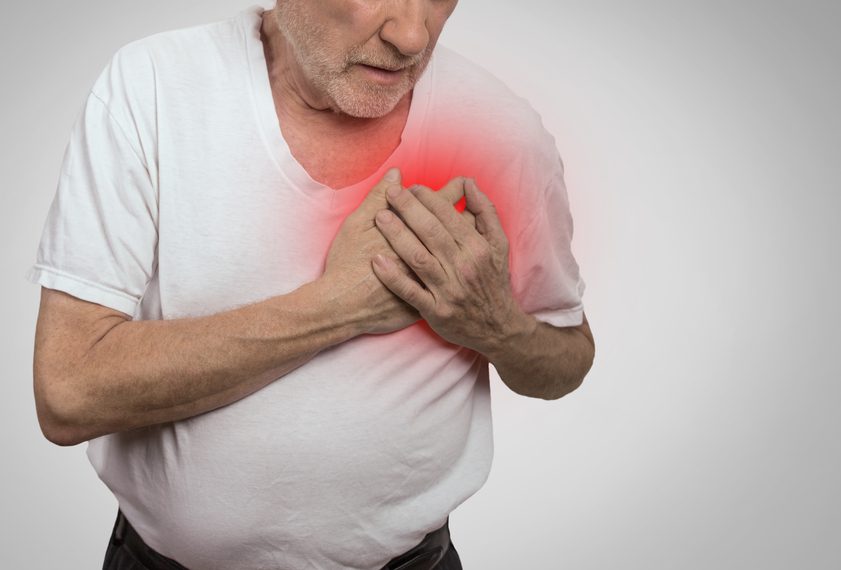
Experts say people who have underlying health conditions should guard against COVID-19. In fact, CDC now says that U.S. adults with diabetes, chronic lung disease, and heart disease are at higher risk for severe COVID-19-associated disease than people without these conditions. Latinos face a heavier burden for several of these conditions. The American Heart Association even warned elderly people with heart disease or hypertension. "Based on current information, it appears elderly people with coronary heart disease or hypertension are more likely to be infected and to develop more severe symptoms," according to AHA. "Stroke survivors may also face increased risk for complications if they get COVID-19" According to the latest report from State Department of Health, out of the ...
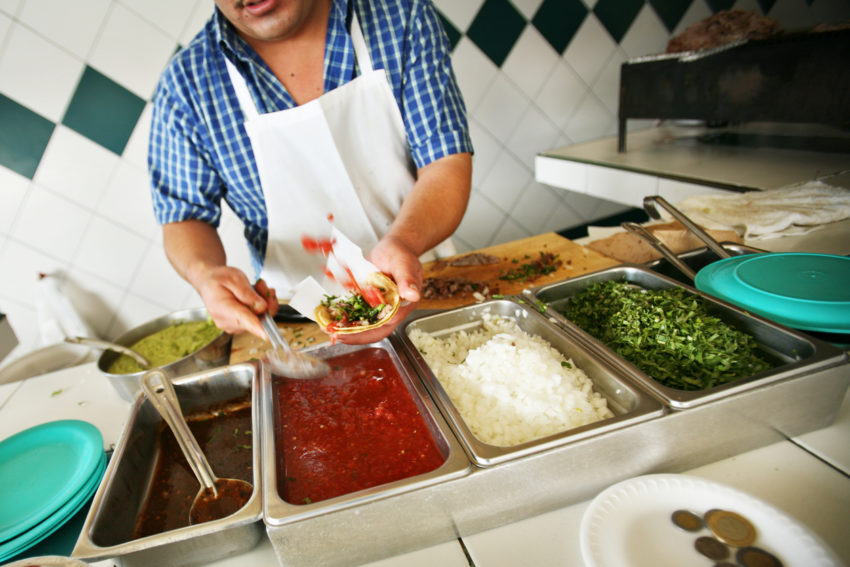
Coronavirus can affect anyone. But experts warn that COVID-19 will cause more suffering among U.S. Black and Latino workers, due to societal inequities shaped by structural racism and low-paying jobs with no chance of telework. "When the COVID-19 pandemic has ended in this country, we will see an unequal distribution of infections and deaths along the intersecting lines of race and class," wrote labor historian Christopher Hayes in the New Jersey Star-Ledger. UPDATE 4/23/20: 26 million people have filed jobless claims in the past five weeks, NBC News reports. Why is this?
Coronavirus Compounded: Income Inequities among Latino Workers
These statistics show a glimpse of how much Latino workers earn: 1 in 3 Latinos live in poverty.
1 in 2 Latino families are ...
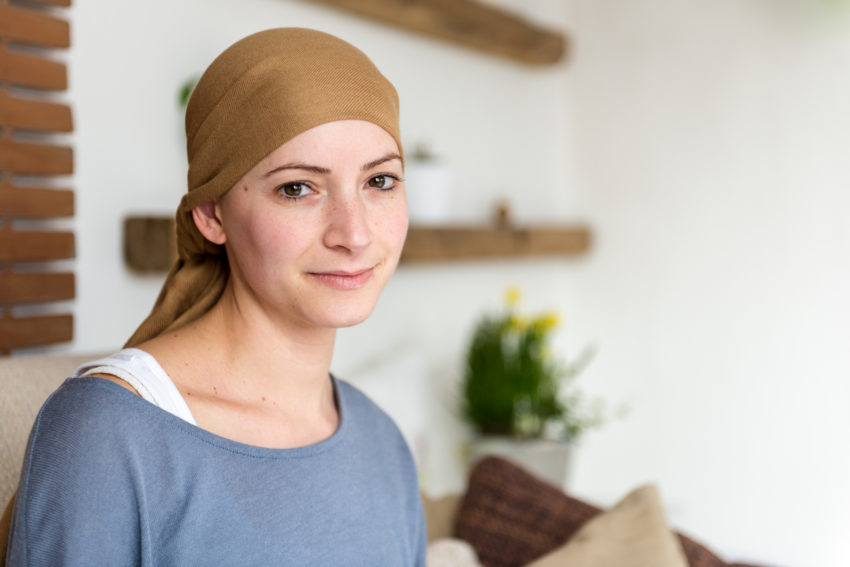
Cancer patients are at higher risk for the new coronavirus COVID-19, as well as more severe outcomes of the diseases, than those without cancer, health experts say. What does this mean for your cancer journey? For treatment? Screening? Clinical trials? Latinos and vulnerable populations? "We don't want to be overly alarming, but the truth is that Latino and all cancer patients should be concerned about COVID-19 because they are at higher risk," said Dr. Amelie G. Ramirez, leader of Salud America! and associate director of community outreach and education at the Mays Cancer Center at UT Health San Antonio. "So we want to help spread truthful, equitable information that will help all cancer patients in their journeys." Here are some important issues for cancer patients and ...
The spread of coronavirus, COVID-19, is now a global pandemic. Health officials are working tirelessly to inform the public. They are working on a fast-paced method for widespread testing, and doing everything possible to slow the spread of the coronavirus. What is still scary? This disease impacts those with underlying conditions more significantly, especially Latinos who suffer vast health disparities. "People with diabetes, heart disease, lung disease and other serious underlying conditions are more likely to develop serious outcomes, including death [due to coronavirus]," said Dr. Nancy Messonnier, director of the CDC’s National Center for Immunization and Respiratory Diseases, CNBC reports.
Coronavirus COVID-19's Impact on People With Underlying Illnesses
Reported ...
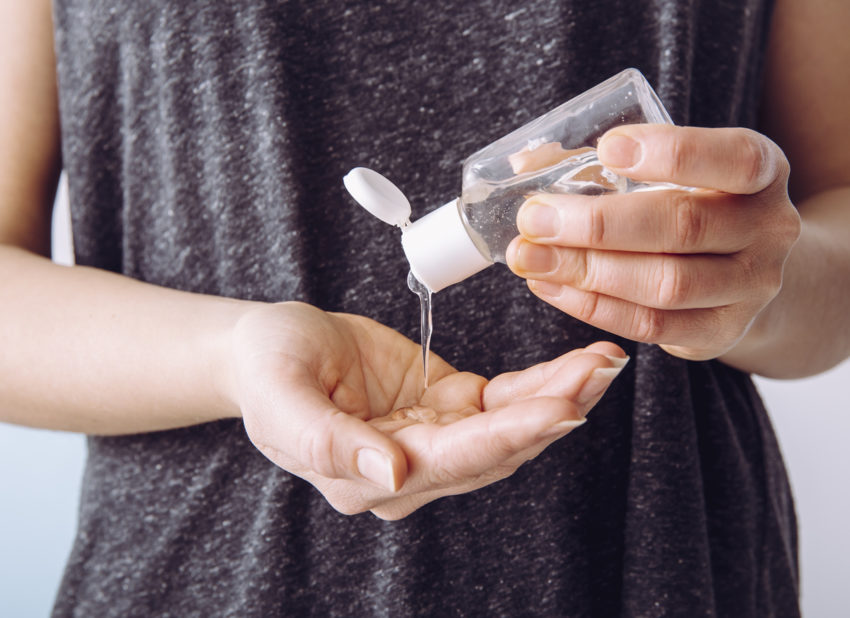
Clean hands are critical to reduce the spread of infection, particularly coronavirus (COVID-19). However, washing with soap and water isn’t always option. In 1966, nursing student, Lupe Hernandez, realized alcohol in gel form could be an effective way to clean hands when soap and water weren’t available. She called an inventions hotline to learn about patenting hand sanitizer. Over 50 years later, Hernandez's invention is still saving lives against threatening diseases and protecting brave medical professionals. Hand sanitizer sales and wipes has grown steadily. They expanded beyond hospitals and care homes to supermarkets and personal accessories. The U.S. market of hand sanitizer was $28 million in 2002. In 2009, hand sanitizer sales soared in the wake of ...
The coronavirus pandemic is weakening the already-fragile rural health care safety net, and endangering health of rural residents, public health experts say. Here are a few ways this is happening.
The Rural Health Care System and Coronavirus (COVID-19)
Rural hospitals are small businesses that their communities rely upon. But health staff is becoming sick. Cash-flow problems are at crisis levels, according to the National Rural Health Association. They list these troubles: Adequate number of supplies and tests
EMS shortages, as many in rural communities are volunteers;
Overall workforce shortages if rural providers get sick;
Telehealth waivers and site flexibility for Rural Health Clinics;
Critical Access Hospital waivers; and
Need for loan ...
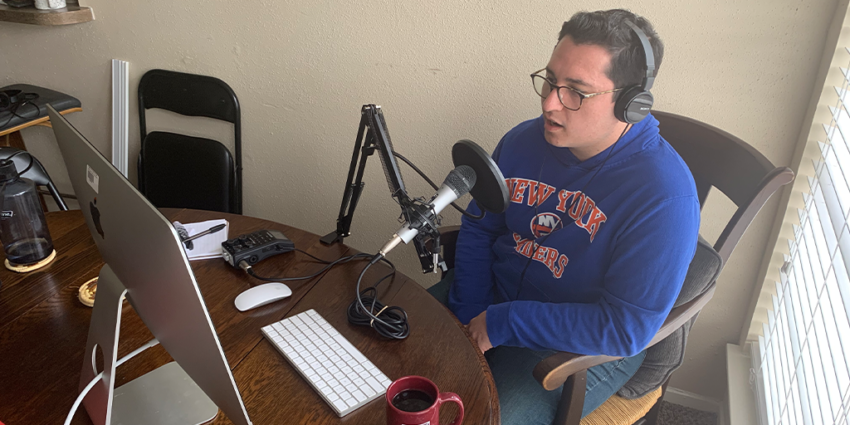
As COVID-19 continues to dominate headlines, all of us are experiencing new levels of stress and anxiety. With that in mind, we have something a bit different for you all. Public health workers from the Institute for Health Promotion Research join Salud Talks to share their best practices in how—in the words of another global crisis—they are keeping calm and carrying on. Check out this discussion on the Salud Talks Podcast, Episode 23, "Keeping Calm Amid the Coronavirus"! WHAT: A #SaludTalks discussion about the current novel coronavirus outbreak and ways to stay sane.
GUESTS: Ariel Morales - Research Area Specialist
Dr. Daniel C. Hughes - IHPR Assistant Professor Research
Angelika Aguilar - Research Associate
Stacy Cantu - Program Coordinator
...
People need to stay home to prevent the spread of the coronavirus, Covid-19. However, for the 27% of the U.S. private workforce with no paid sick leave, staying home isn’t an option, particularly for the full prescribed 14-day quarantine. That’s why a form of paid sick leave and family/childcare leave are part of a new $100 billion relief law, Families First Coronavirus Response Act, which also includes nutrition aid, unemployment health insurance, and free COVID-19 testing. Trump signed the new law on March 18, 2020. It goes into effect April 2, 2020. But the new law could leave out up to 19 million workers, roughly 12% of the workforce, including many low-income Latinos, women, and other vulnerable populations, experts say. Moreover, economists estimate that three ...
By Minnie Morales
San Antonio Cancer Survivor I've always felt there are many ways to view any situation and essentially make light of anything you are going through. I never imagined having to face such dark days as early as 20 years old, but that is what God asked me to do. When I graduated high school and started getting my prerequisites for nursing school, life was hard enough transitioning into adulthood! I fully trusted the doctors when I showed them a large lump in my right breast that I found while sitting in my college class. "It's just a cyst... you're too young to get breast cancer, don't worry about it." Because breast cancer doesn't run in my family and I had never encountered anything like that at 19, I believed what I was told. I finished my ...