About the Author

Author Picture

Amanda Merck

Merck completed her MPH with a concentration in Physical Activity and Health. She curates content for Salud America! (@SaludAmerica), a Latino childhood obesity prevention project based at the Institute for Health Promotion Research at UT Health San Antonio. She focuses on the latest research, resources, and stories related to policy, systems, and environmental changes to enhance equitable access to safe places for kids and families to walk, bike, and play.


Connect with Amanda:
Twitter Link

Articles by Amanda Merck

Joint Call to Action to Promote Healthy Communities

Latino health walking community active living design safe routes complete streets

The way our communities are designed and built can either support or hinder health. This includes sidewalks, bike lanes, public transportation, housing, schools, parks, employment centers, etc. Everyone deserves healthy communities with safe routes to where we live, learn, work, play, and pray, as well as safe routes to healthy food. The American Public Health Association (APHA) and partner organizations have pledged to work together on the Joint Call to Action to Promote Healthy Communities. Partners include American Institute of Architects, American Planning Association, American Society of Civil Engineers, American Society of Landscape Architects, National Recreation and Park Association, U.S. Green Building Council, & Urban Land Institute. The signatory ...

Read More
Los Amigos Elementary Bike Train to School


Latino health walking school bus physical activity bike

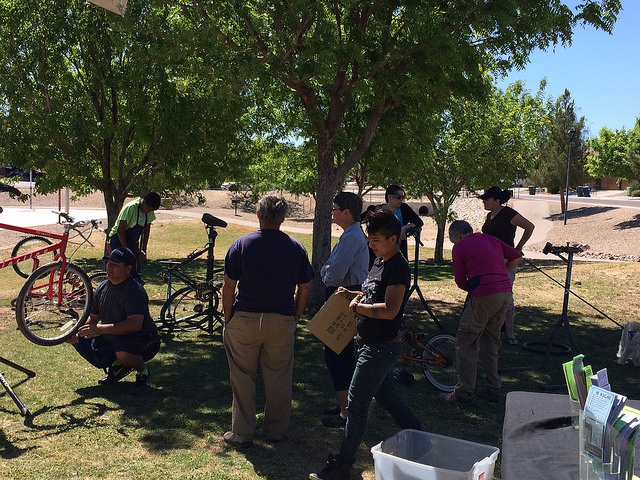
Elementary schools across Pima County, Arizona (36.4% Latino), like Los Amigos Technology Academy, are encouraging a culture of health and physical activity through walking school buses. In their first year as a Safe Routes to School (SRTS) focus school, Los Amigos teachers and parents developed a Fitness Friday initiative with a bike train and five walking routes that meet to create one large walking school bus. With Living Streets Alliance, they also started a bike repair clinic to teach students basic bike maintenance skills. Over 100 students participate in each Fitness Friday, and over 300 students and local organizations and agencies joined the annual WALKtober challenge to encourage more kids and families to walk or bike to school. "Even with the rough, rocky sides of ...

Read More

San Antonio Seeking Student Ambassadors for 2017-2018


Latino Health Student Ambassador School MFC

The San Antonio Mayor’s Fitness Council (MFC) Student Ambassador Program is looking for the next group of kids to make their school or community healthier. Not only does San Antonio face high rates of obesity, diabetes, and heart disease, but residents face disparities in chronic disease by income, education, and racial and ethnic groups. For example 15% of Latino have diabetes compared to 12% of Non-Latino whites, and 24% of people with an annual income below $25,000 have diabetes compared to 8% of those with an annual income greater than $50,000. It is critical for projects, programs, and policies in San Antonio to address structural and systemic inequity that leads to these disparities. "Now in its fifth year, the Mayor’s Fitness Council trains student ambassadors to ...

Read More

Taking Back the Streets and Sidewalks: How Safe Routes to School and Community Safety Initiatives Can Overcome Violence and Crime


Latino Health Walking Safety Crime and Violence prevention

Crime, violence and the fear of violence lead to reduced physical activity and loss of motivation to invest in health. According to a report from Safe Routes to School National Partnership (SRTS), 23% of Latino parents reported their neighborhoods were unsafe, compared with 8% of white parents. It is critical to address crime and violence for Latinas because 40% fewer girls than boys walk and bicycle to school and 52% of Latina girls are expected to get diabetes over the course of their lifetime. Additionally, Latinos are disproportionately burdened by traffic fatalities compared to whites. The Taking Back the Streets and Sidewalks report from SRTS is a reference for those working on violence prevention to increase the safety and health of children and youth, and ensure that ...

Read More

Silent Barriers to Biking in Communities of Color


Latino Health bike bicycle biking walking pedestrian justice barriers

"Transportation professionals should be more concerned about the personal safety of Black and Hispanic cyclists because they are in a position to change how the built environment either acts as a conduit or barrier to criminal activity," Charles T. Brown, a transportation researcher and adjunct professor of planning and public policy at Rutgers University, wrote in his report, Fear: A Silent Barrier to Bicycling in Black and Hispanic Communities. Brown saw a lack of research on transportation justice, which prompted him and James A. Sinclair, research manager at the New Jersey Bicycle and Pedestrian Resource Center, to explore why some Black and Hispanic individuals choose not to bicycle; what prevents people of color who do bike from cycling more often; and how to encourage all ...

Read More

Cities Across Country Looking to Cut the Default Speed Limit, but States Stand in the Way


Latino Health Walkability Pedestrian Safety

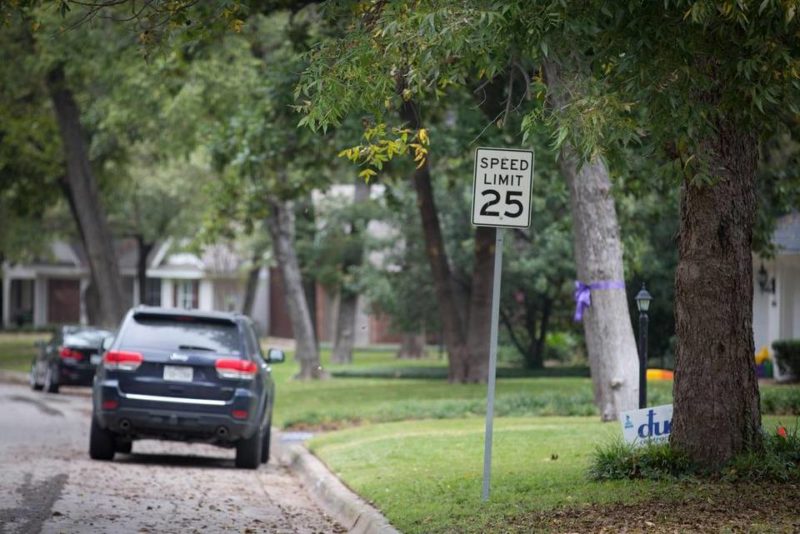
Pedestrians have a 90% survival rate if they are hit by a vehicle going 20 miles per hour, compared to only a 50% survival rate if hit by a vehicle going 30 mph. In 2016, Seattle, WA (6.6% Latino); Alexandria, VA (16.9% Latino); Boston, MA (17.5%Latino); and New York City, NY (28.6% Latino), among other cities lowered the default speed limit in some urban and residential areas by 5-10 mph. Speed is the most important factor to regulate to improve pedestrian safety for Latinos and all pedestrians, and can help boost daily physical activity, which is important for mental and physical health. The founder and director of the Vision Zero Network to eliminate traffic fatalities and injuries, Leah Shahum, says state permission is a key obstacle to traffic safety that cities have ...

Read More

Vital Signs Report on Arthritis in America


Latino Health Physical Activity arthritis musculoskeletal

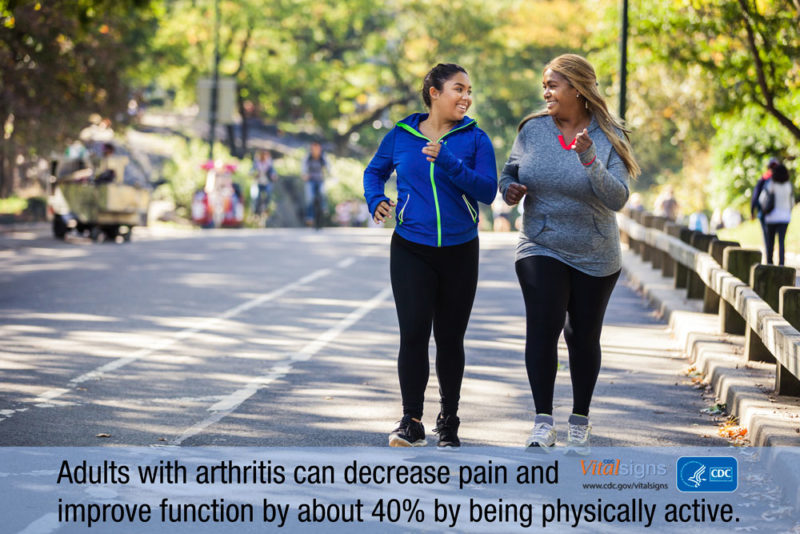
About 60% of adults with arthritis are working age-ages 18-64 years old, according to a new Morbidity and Mortality Weekly Report (MMWR), from the Centers for Disease Control and Prevention (CDC). Arthritis is a disabling chronic condition that can lead to severe joint pain and poor physical function and negatively affect quality of life. Physical activity, like walking, swimming, or biking, can decrease arthritis pain and improve physical function; however, people with arthritis are often concerned about worsening pain and damaging joints. Download the March 2017 Vital Signs Fact Sheet. Although Latinos had a lower rates of arthritis, they had a far higher rates of physical limitations due to arthritis. Pain and safety concerns often leads to limited mobility which could ...

Read More

7 Case Studies on Successful Physical Activity Campaigns


Latino Health Trail Lights Safety Sidewalk Physical Activity

Communities and organizations play a role in developing policies and programs to support walking, biking, physical activity, and healthy communities. Whether for recreation, transportation, work, or household, physical activity improves mental and physical health and reduces risk for chronic disease. In order to reduce health disparities, it is important for communities to ensure that all residents have access to safe places to walk, bike, play and be active where they live, learn, work, play, pray, according to a Salud America! research review. Check out these seven case studies from Voices 4 Healthy Kids and Safe Routes to School National Partnership. They demonstrate successful state- and local-level campaigns to increase physical activity, through active transportation ...

Read More

Multidisciplinary Design Charrette Transforms Conventional Planning Process


Latino Health Walkability Design Community Planning

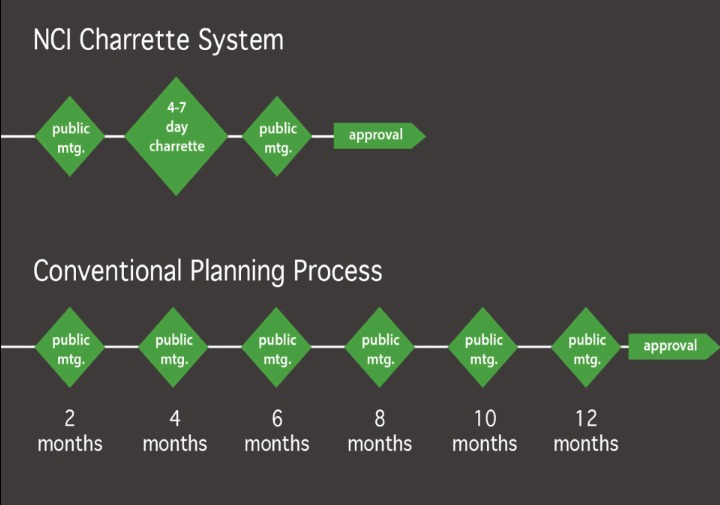
Designing healthy, complete neighborhoods requires a holistic, collaborative process, but collaboration can get messy. Charrettes are a creative way for agencies, organizations, groups, and community members to bust out of their specialist silos and work together to solve community planning and design problems. Charrettes are of often intense meetings lasting multiple days. The National Charrette Institute (NCI) began training professionals in collaborative design and charrettes in 2002. In 2017, NCI partnered with the Michigan State University (MSU) School of Planning, Design and Construction (SPDC) and MSU Extension. Professionals, such as transportation engineers, architects, urban designers, and planners need to work together with citizens, elected officials, ...

Read More