About the Author

Author Picture

Amanda Merck

Merck completed her MPH with a concentration in Physical Activity and Health. She curates content for Salud America! (@SaludAmerica), a Latino childhood obesity prevention project based at the Institute for Health Promotion Research at UT Health San Antonio. She focuses on the latest research, resources, and stories related to policy, systems, and environmental changes to enhance equitable access to safe places for kids and families to walk, bike, and play.


Connect with Amanda:
Twitter Link

Articles by Amanda Merck

National WIC Association Cuts Ties with Infant Formula Manufacturers

Latino health breastfeeding equity sustainability

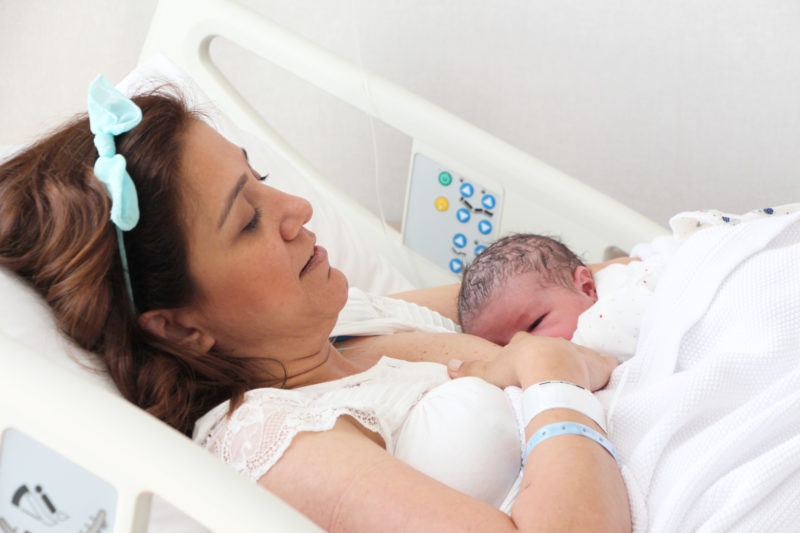
Marketing infant formula to pregnant Latinas is associated with reduced rates of initiating breastfeeding, shorter duration of breastfeeding, and increased use of formula. In September 2016, the National WIC Association (NWA) announced that they were ending their relationship with infant formula manufacturers. The NWA is the education arm and advocacy voice of the nation’s 12,200 WIC public health service provider agencies and the 8 million WIC mothers and young children. In 2004, the NWA began taking the first steps to prohibit infant formula manufacturers from exhibiting, sponsoring, or promoting formula at NWA Nutrition & Breastfeeding Conferences. Their efforts expanded over the next decade, and in 2015, the NWA Voting Members approved a resolution that dissolves ...

Read More

Manage, Prevent, & Delay Diabetes: The Physical Activity Prescription


Latino health diabetes physical activity

Latinos are 1.7 times more likely to get diabetes, 2 times more likely to have lower extremity amputations, and 3.1 times more likely to have end stage renal disease (ESRD) than whites. A modest weight loss achieved through regular physical activity and a healthy eating plan by people at risk for type 2 diabetes could prevent or delay the disease long-term, according to National Institute of Diabetes and Digestive and Kidney Diseases’ (NIDDK). Regular physical activity, like walking, dancing, biking, or pool walking, helps improve insulin sensitivity and glycemic control; has a positive effect on blood pressure and cholesterol; and helps manage weight, thus it is important that Latino kids and families have safe places to walk and play to reduce their risk of developing diabetes ...

Read More

Lack of Mobility Leads to Obesity


Millions of Americans experience limited mobility due to joint pain, which often leads to obesity and chronic disease. Latinos are burdened by higher rates of muscle and joint pain and higher rates of obesity, diabetes, and heart disease. Watch Movement is Life's Start Moving Start Living documentary that raises awareness about how joint pain robs millions of Americans of mobility and ...

Read More

Addressing Muscle and Joint Health Disparities


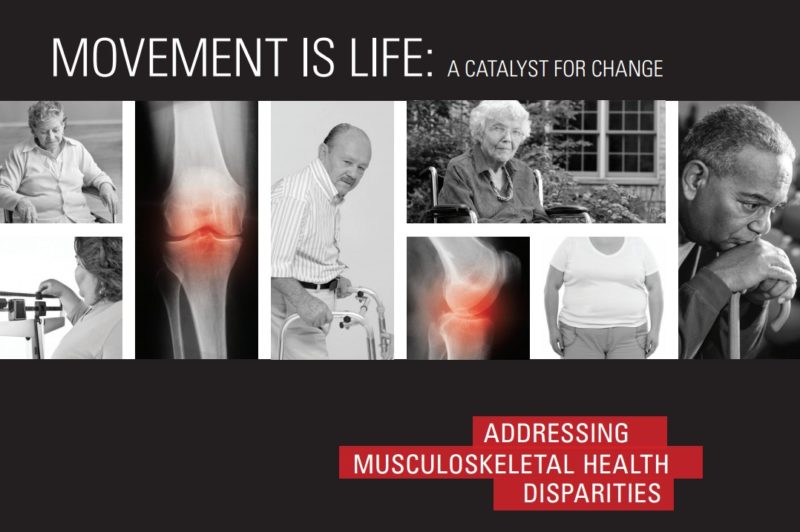
Disparities in muscle and joint (musculoskeletal) pain threaten the health of the nation. Our musculoskeletal system is composed of joints, ligaments, muscles, nerves, tendons, and structures that support limbs, neck and back. Latinos have more severe musculoskeletal and functional limitations than Whites, thus are more likely to be inactive, obese, diabetic, and have higher incidence of heart disease. Movement is Life is a multi-disciplinary coalition seeking to eliminate racial and ethnic disparities in muscle and joint health by promoting physical mobility to improve quality of life. According to the Movement is Life: A Catalyst for Change Proceedings Report from a 2010 summit, “a physically inactive, obese, and immobile body can head down a path toward chronic disease and ...

Read More

Baby Food Marketing to Latino Parents Does Not Align with Expert Opinion


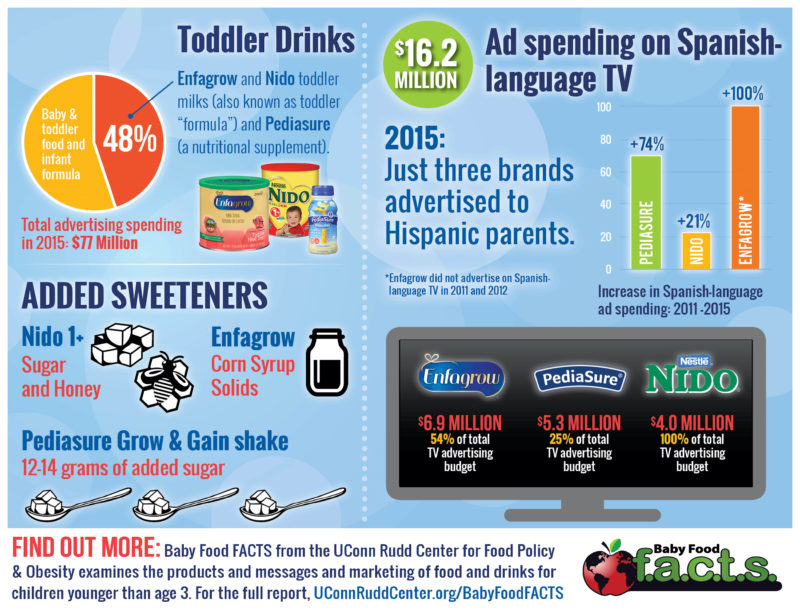
Parents, pediatricians, and health providers, especially those serving Hispanic communities, should be aware of the extensive marketing for sugar-sweetened toddler milk and nutritional supplement brands aimed at Latino parents. Marketing infant formula to pregnant Latinas is associated with reduced rates of initiating breastfeeding, shorter duration of breastfeeding, and increased use of formula. According to Baby Food FACTS, a new report released today by the UConn Rudd Center for Food Policy & Obesity, nearly 60% of infant and toddler food and drink advertising dollars promoted products that are not recommended for young children, including sugar-sweetened toddler milk. The American Academy of Family Physicians and the American Academy of Pediatrics (AAP) do not ...

Read More

Toolkit: How to Start a Walking School Bus at Your School


Morning physical activity boosts health and academic success! A walking school bus program increases pedestrian safety, reduces neighborhood crime, increases school attendance, and reduces hydrocarbon emissions from traffic. Sadly, Latinos often lack access to safe routes to schools, parks, or other destinations, thus are disproportionately burdened by health disparities and pedestrian fatalities. You can make a difference by starting a walking school bus. The Safe Routes to School National Partnership and California Department of Health created this step-by-step guide outlining how to plan and implement a walking school bus for your school. The toolkit includes proven tools, tips and resources for a fast and easy start. Here is your toolkit - Step-by-Step: How to ...

Read More

CDC Releases First-ever Early Care and Education (ECE) State Indicator Report


Latino Health ECE breastfeeding physical activity policy intervention

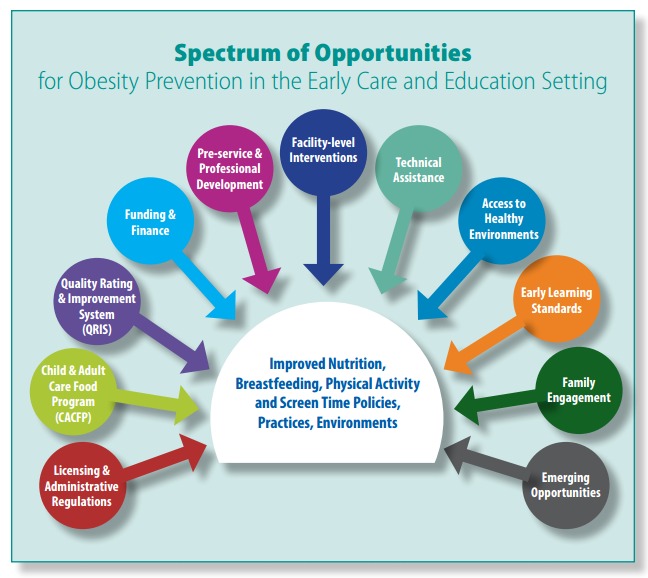
One of four U.S. kids is already overweight or obese by age 2-5, with a higher prevalence among Latino kids (30%) than white kids (21%). This is a problem because children aren't "outgrowing" overweight and obesty. Children who are overweight when they enter kindergarten are four times more likely to be obese in 8th grade compared to their peers who are normal weight. Because 64% of children 3 to 5 years of age are cared for weekly in non-parental care arrangements, early care and education (ECE) is a critical setting to address childhood obesity. In 2016, the CDC released the first-ever state indicator report looking at state efforts to address childhood obesity in ECE. The Early Care and Education State Indicator Report looks at how  The Spectrum outlines 11 unique ...

Read More

Morning Physical Activity Boosts Academic Success in San Fernando School


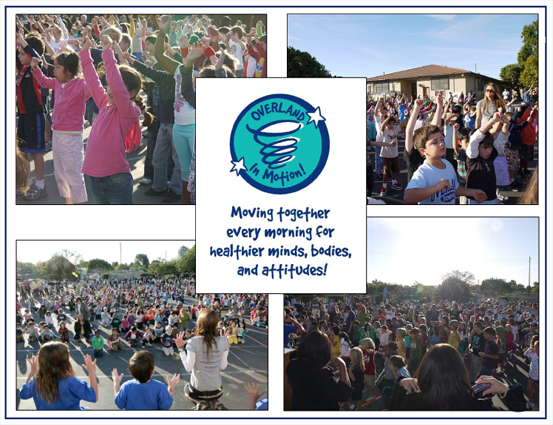
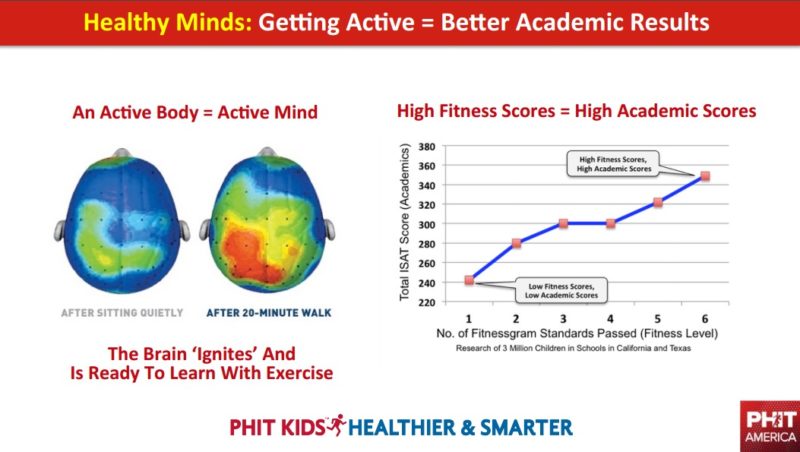
Physical activity is linked with academic achievement; however, Latino schools and neighborhoods often have fewer opportunities for kids to be active. Many Latino schools across the country are trying to get students more active to improve student performance and reduce health disparities. Kids who receive physical education (PE) in school are more active outside of school, according to the Physical Activity Council (PAC). The Academy for Enriched Sciences in the San Fernando, California (92.5% Latino), for example, began implementing the My School in Motion program to get kids moving before class starts. The My School in Motion is program was founded by a mother, Apryl Krakovsky, who wanted to support her child's school in meeting the state's requirements of PE. The ...

Read More

10+ Research Projects About the Positive Impact Physical Activity has on Academic Performance


Latino Health, Physical Activity, Academic performance

PHIT America shares 10+ Research Projects on how physical activity improves academic performance. University of Illinois – “Physically Fit Kids Have Beefier Brains” University of Illinois Urbana – “How Exercise Can Boost Young Brains” Dartmouth – “12 minutes of exercise improves attention and reading comprehension” Purdue University – “Kids working out get better grades” Medical University of South Carolina – “P.E. actually helps academic scores” University of Hindenburg – “More physical activity improved school performance” Dundee University – “Moderate to vigorous exercise boosts academic performance” Strathclyde University – “Regular exercise improves children’s academic results” University of Western ...

Read More