About the Author

Author Picture

Amanda Merck

Merck completed her MPH with a concentration in Physical Activity and Health. She curates content for Salud America! (@SaludAmerica), a Latino childhood obesity prevention project based at the Institute for Health Promotion Research at UT Health San Antonio. She focuses on the latest research, resources, and stories related to policy, systems, and environmental changes to enhance equitable access to safe places for kids and families to walk, bike, and play.


Connect with Amanda:
Twitter Link

Articles by Amanda Merck

Mom Group Gives Swag Bags to Help Nursing Moms


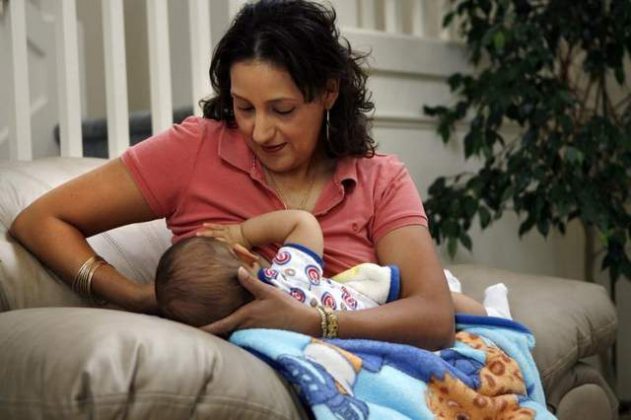
After Nikki Van Strien delivered her first son in Mesa, Ariz. (30.5% Latino), she realized the discharge package given to all new moms by the hospital could undermine a woman’s breastfeeding goals by pushing formula. She wanted to do something to support breastfeeding moms immediately after delivery. In 2011, Van Strien and some other moms developed the AZ Breastfeeding Bag Project to provide all new breastfeeding mothers with a bag filled with educational material and breastfeeding supply samples. They became a non-profit and recruited volunteers and donations to reach new mothers birthing in the hospital, birth center, or home. Breastfeeding Rates Low in Arizona Nikki Van Strien, a new mom in Mesa, Ariz., wanted to connect with other moms for support. She joined a local group she ...

Read More
Study: A History of Childhood Trauma May Impact Breastfeeding Exclusivity


A history of Adverse Childhood Experiences (ACEs) may negatively impact a mother's exclusive breastfeeding rates. ACEs are negative events or experiences, such as abuse, neglect, or household dysfunction that cause disproportionate stress to children, which can harm their health and development. As the number of ACEs increases, so does the risk for negative health outcomes throughout adulthood. According to a study published in the Breastfeeding Medicine Journal, among the women with a history of ACEs, only 36.6% of moms exclusively breastfed their babies for up to 6 months, compared to 46.7% of moms without a history of ACEs. Latina moms face many barriers to breastfeeding, such as low income, participation in federal food assistance programs that offer free infant formula, ...

Read More

New App to Create a Culture of High Expectations Among Latino Kids


Low expectations for Latino kids is a modifiable factor that negatively influences their health, academic success, and future. In order and build a culture of higher expectations, kids need positive messaging in school and in the home. Lionel Sosa, a legend in Hispanic marketing and former Fellow at the Institute of Politics at Harvard University, created Yes! Our Kids Can, a digital education system, to raise expectations for Latino youths growing up in poverty. Rather than expect parents to go into schools, this app-based tool allows families to bring it into their homes to set goals for their kids and encourage them to go go college. Technology plays an important role in reaching and engaging Latino kids. Sosa previously worked as a media consultant for Presidents Ronald ...

Read More

Bipartisan Approval in Congress for the National Park Service Centennial Act


Latino Health Parks Physical Activity

The National Parks Service is $12 billion behind in needed repairs to park infrastructure, such as deteriorating trails, buildings, and structures in our national parks. In December 2016, the House and the Senate approved the National Park Service Centennial Act (H.R. 4680) to help address the $12 billion maintenance backlog by leveraging federal funds with private dollars for visitor-oriented projects; establishing dedicated funding for an endowment; and providing educational programs and opportunities for youths to serve and learn. Public-private partnerships have been successful in leveraging funds over the last two years. Congress committed to a federal match of $25 million, which raised twice that in private donations for the National Park Service (NPS). Parks play a vital ...

Read More

Community Breast Navigators Improve Breast Screening Among Underserved Latinas


breast-cancer-screening latino

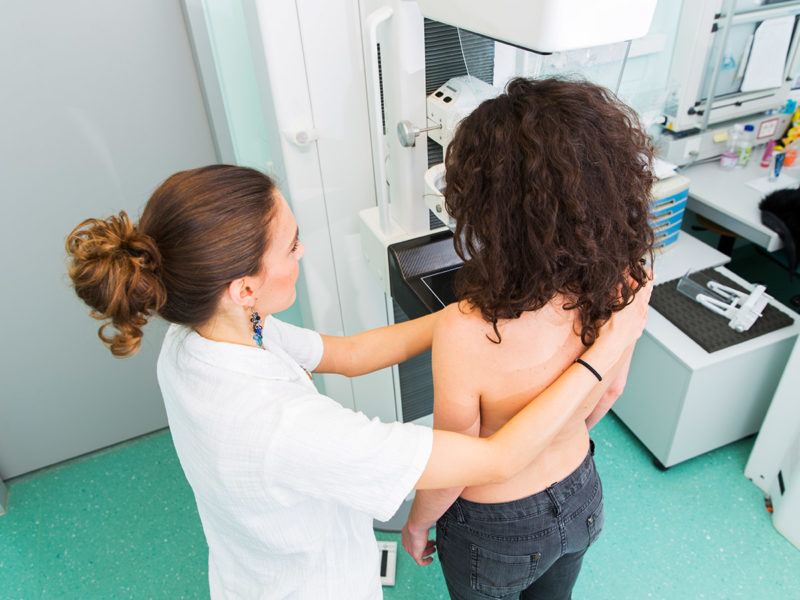
Mammogram screening rates are lower in Latina than white women and lower in uninsured women than insured women. In order to prevent the social, emotional, and economic burdens of breast cancer among Latina and all women, as well as to prevent premature death, it is critical to reduce barriers to access mammogram screening, like free counseling and screening. The Community Breast Navigation Program (CBNP) embedded a community breast navigator in  an adult medicine clinic in a federally qualified community health center in Hartford, Connecticut (17.4% Latino) and increased mammogram screening rates. Through a partnership between UConn and the Susan G. Komen of Southern New England, anyone who visited the clinic had the option to receive free breast cancer counseling and ...

Read More

Bike/Ped Projects Create 46% More Jobs Than Road-Only Projects


Latino Health Physical Activity Sidewalks Bike Lanes Walking Solar

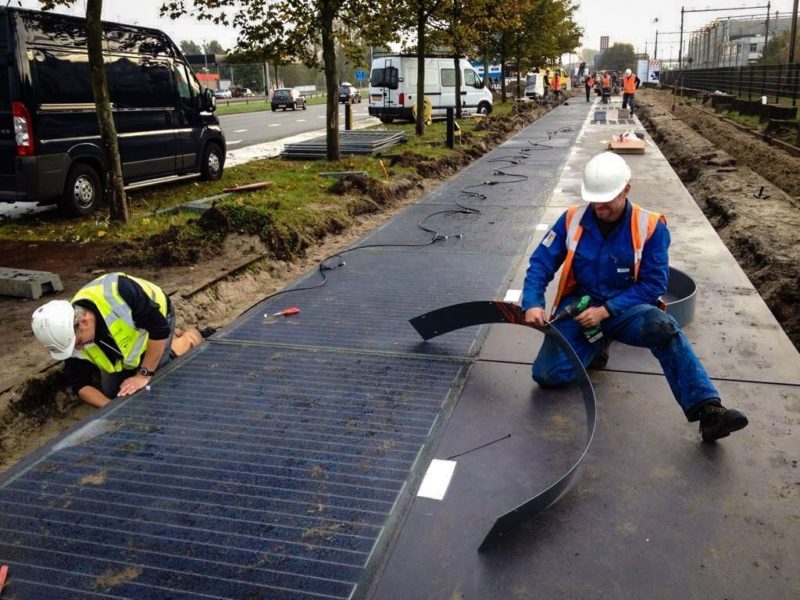
Our nation is facing high rates of Latino childhood obesity, unsustainable dependence on carbon-based energy, and high unemployment. Beyond the known health and environmental benefits of sidewalks and bike lanes, what are the employment impacts of bicycle and pedestrian infrastructure? A 2011 study compares 58 projects from transportation and public works departments from 11 cities and found that bike projects create 46% more jobs than road projects without bike or pedestrian components. Projects included, road construction and rehabilitation, building new multi-use trails, and widening roads to include bikes lanes and sidewalks. According to this study by the Political Research Institute (PERI) at the University of Massachusetts, Amherst, the “road-only” projects ...

Read More

Beyond Safe Routes: Shared Use Resolution


Latino Health Physical Activity Shared Use

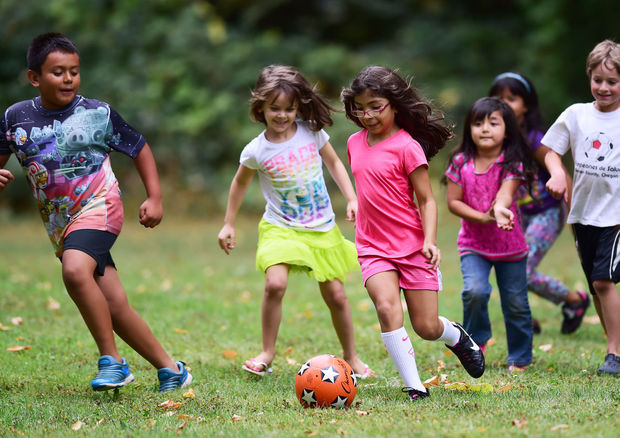
A growing body of evidence shows that children who are physically active are better learners. Latino and all children are more physically active when they have access to safe places to walk and play. Join organizations like, Alliance for a Healthier Generation, American Heart Association, Boys and Girls Club of America, KaBoom!, National League of Cities, Ohio Department of Health, us, and many more in signing the Shared Use Resolution to advance shared use strategies in local communities across the country. Shared use is an effective strategy to make school playgrounds, parks, pools, gymnasiums, and other physical activity facilities open to the public beyond their normal hours so the community can use these spaces to be active. In fact, studies show that 84% more kids are ...

Read More

5 Reasons to Get Your Company Signed Up for Million Mile Month


Active bodies are active and productive minds. The Million Mile Month April Community Challenge is a simple, fun and free way to get your employees or members physically active. In order to build a culture of health-free from preventable disease-it is important to build a culture of activity in schools, neighborhoods, and the workplace.   5 Reasons to Get Your Company Signed Up for Million Mile Month It's Free Reduce healthcare costs and boost productivity Motivates physical activity and team building Provides metrics and on demand reports Quick setup and easy to use (10 min setup) The Million Mile Month was created by Cyberways and Waterways-a non-profit focused on STEM, health, and sustainability programs that use innovative techniques to get kids ...

Read More

The Sirens Women’s Motorcycle Club Delivers Breast Milk to Babies


The New York Milk Bank-the first milk bank in New York state (19% Latino)-opened early 2016 and was off to a successful start, at least, in terms of donations and handling. Delivery; however, was a problem. Julie Bouchet-Horwitz, the nurse practitioner and lactation consultant who opened the milk bank, struggled to deliver milk to babies in need in Manhattan (25% Latino) due to traffic. Increasing breastfeeding rates among Latina mothers could reduce risk of obesity, diabetes, and heart disease, and improve overall health for mother and infant. Additionally, breast milk is linked to significant early brain growth in premature babies. Bouchet-Horwitz thought about motorcycles weaving their way through traffic jams with the precious cargo. “So I did a ‘Google search’ ...

Read More