About the Author

Author Picture

Amanda Merck

Merck completed her MPH with a concentration in Physical Activity and Health. She curates content for Salud America! (@SaludAmerica), a Latino childhood obesity prevention project based at the Institute for Health Promotion Research at UT Health San Antonio. She focuses on the latest research, resources, and stories related to policy, systems, and environmental changes to enhance equitable access to safe places for kids and families to walk, bike, and play.


Connect with Amanda:
Twitter Link

Articles by Amanda Merck

Scholarships Available for the 2017 National Walking Summit

Latino Health Walking Safety Walkability

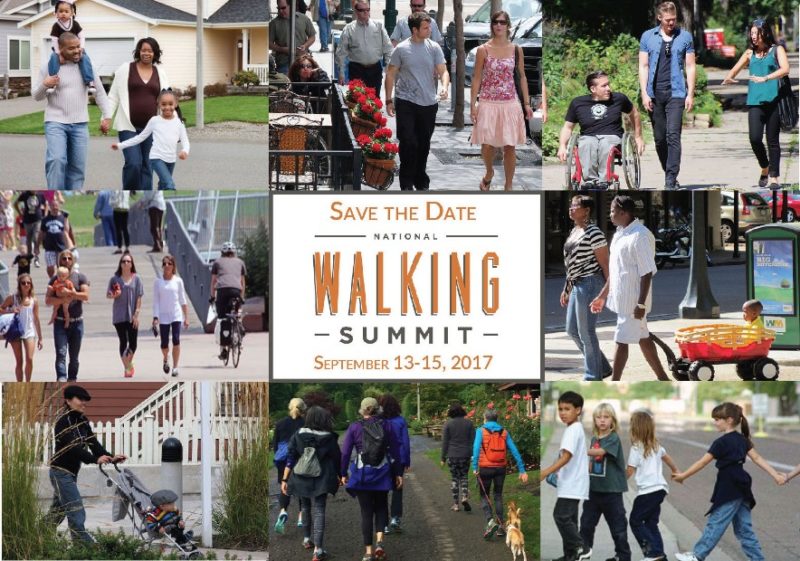
America Walks and the Every Body Walk! Collaborative are offering scholarships for the 2017 National Walking Summit, "Vital and Vibrant Communities: The Power of Walkability," to be held in St. Paul, MN from September 13-15, 2017. They are waiving the $375 fee for 100 attendees. Walkability increases access to basic needs and services and creates vital and vibrant communities, which encourages involvement and supports a high quality of life for everyone and overcome existing disparities. Latino neighborhoods often lack safe places to walk and access to basic needs and services, thus face higher rates of obesity, diabetes, and heart disease. This Summit will expand what is meant by the term healthy to include not only physical health, but also the social, economic, and civic ...

Read More
Top 10 Most Dangerous Cities for Speed Related Fatalities


Latino Health Walking Safety

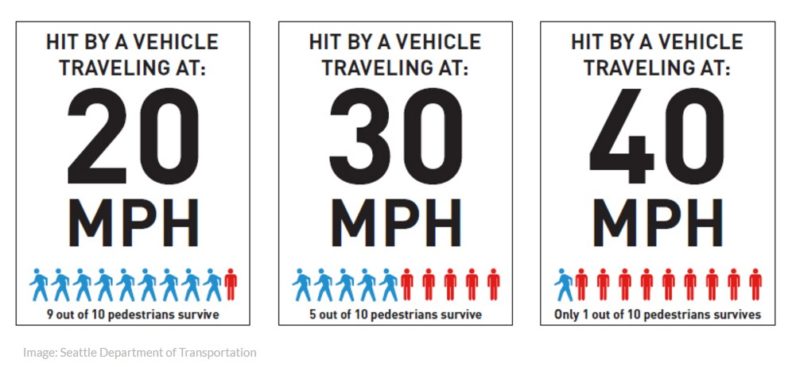
Safe places to walk and bike are critical for Latino and all kids to grow up healthy. Sadly, the U.S. lags far behind other countries in traffic safety. Traffic crashes are one of the leading causes of preventable death in the U.S., thus many families avoid walking and biking. Given the inequity in access to safe streets and the disparities in fatalities and injuries among minorities, traffic safety is both a public health and a social justice issue. The National Coalition for Safer Roads (NCSR) and the Vision Zero Network launched an interactive map that showcases the over 59,000 speed-related fatalities that occurred on U.S, roads between 2010 and 2015, identifying city and even street-by-street locations where each incident occurred. Find your city as well as the top 10 most ...

Read More

Playgrounds for an Aging Population


Park and Recreation Month Health Physical Activity

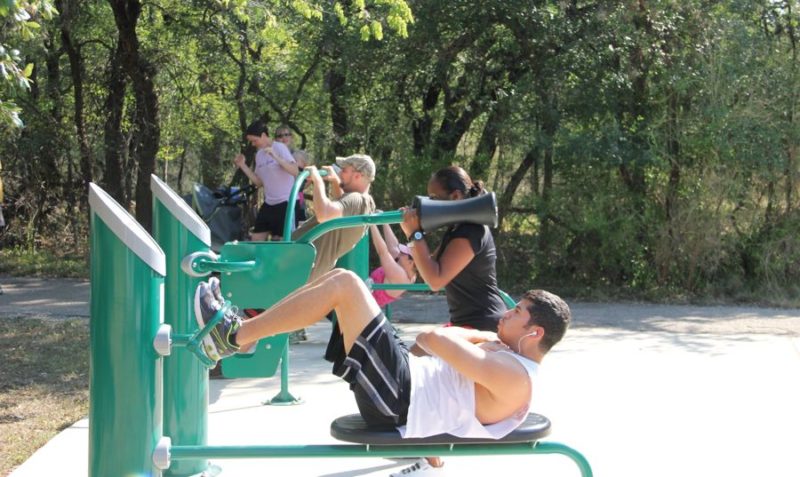
People are more likely to remain physically active when they can do it outdoors; however, Latino kids and adults often lack safe places to walk, play, and be active. Great news! Playgrounds are not just for kids anymore. For example, the Marion Diehl Senior Center in Charlotte, N.C. (13.1% Latino) recently installed a new playground for all ages. The parks and recreation department in San Antonio, TX (63.2% Latino) has installed low-impact, outdoor gym equipment at 35 city parks and five libraries. San Antonio also provides free fitness classes, like Zumba, Yoga, and Boot Camp in parks across the city. Watch this video to learn more. The Trust for Public Land has installed 68 outdoor fitness zones in city parks across the country. The Trust for Public Land's Fitness Zone® ...

Read More

Equity in Complete Streets Policies: Fact Sheets & Research Briefs


Latino Health Walking Safety

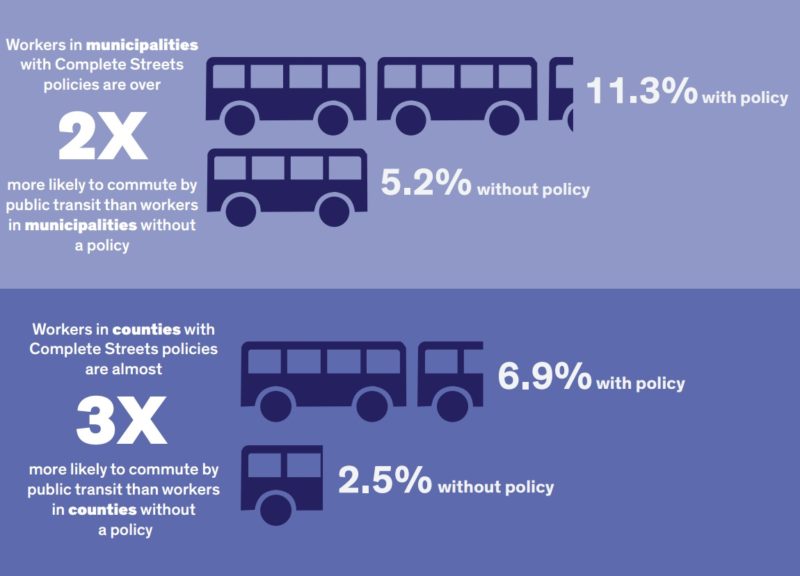
Latino communities, in particular, could benefit from Complete Streets given that they are less likely to own a vehicle, have higher rates of obesity, and fewer bicycle fatalities than Whites. However, very little is known about the implementation of these policies. Researchers at the University of Chicago at Illinois examined what provisions in complete streets policies lead to more equitable implementation and higher physical activity levels in communities and compiled their findings into the following lessons learned and strategies: Examining Equity in Completes Policies Exploring the Association Between Complete Streets Policies and Taking Public Transit to Work Prioritizing Transportation Equity through Complete Streets Safe routes to healthy food is particularly ...

Read More

Pittsburgh Adopts Complete Streets Policy


Latino Health bike safety physical activity

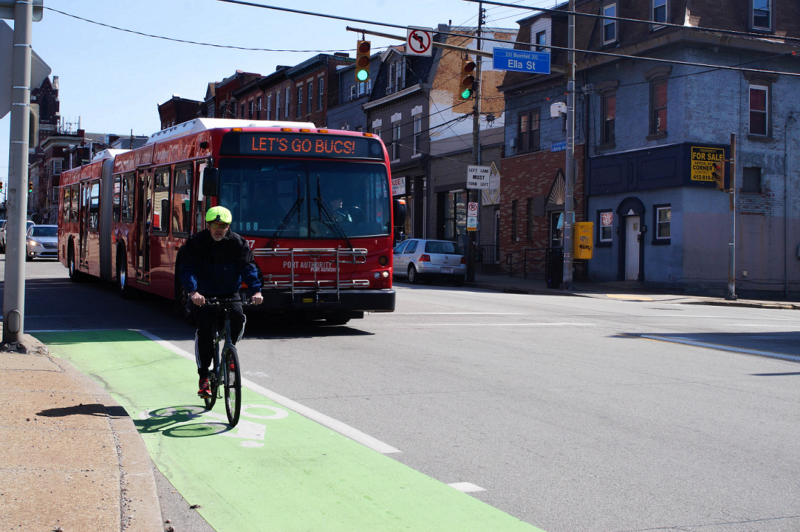
Joining over 900 jurisdictions across the country, Pittsburgh (2.3% Latino) adopted a Complete Streets Policy in November, 2016, in partnership with the Pittsburgh Climate Initiative to make it safer to travel using alternative modes of transportation in order to reduce greenhouse gas emission. Complete Streets policies—including laws, resolutions, executive orders, policies, and planning and design documents—encourage and provide safe access to destinations for everyone, regardless of age, ability, income, ethnicity, or how they travel. Check out their toolkit. Safe access to active modes of travel, like walking and biking, are critical to increase kid's physical activity and reduce their risk for lifelong chronic disease, as well as to accommodate our growing population ...

Read More

Safer Cycling Through Improved Infrastructure


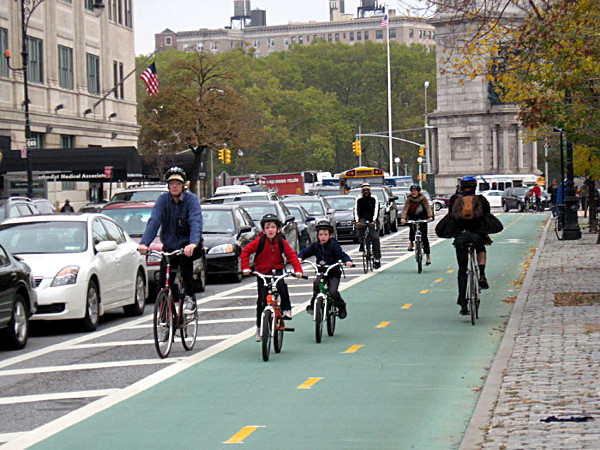
Although bike lights, helmets, and reflective clothing are important, safe design of cycling facilities is paramount. According to an article published in the American Journal of Public Health, bicycle infrastructure can indeed help improve cycling safety and increase cycling levels, particularly when there is physical separation from fast-moving, high-volume motor vehicle traffic and better intersection design. "Traffic safety experts now use the term 'crashes' instead of 'accidents' to emphasize that the design of the transportation system contributes to most traffic fatalities and injuries," write John Pucher, Professor Emeritus, Urban Planning, Rutgers University and Ralph Buehler, Professor of Urban Affairs & Planning, Virginia Tech. Tell your community leaders and ...

Read More

Obesity Rates Decline Among Young Children Enrolled in WIC


Latino Health Breastfeeding WIC

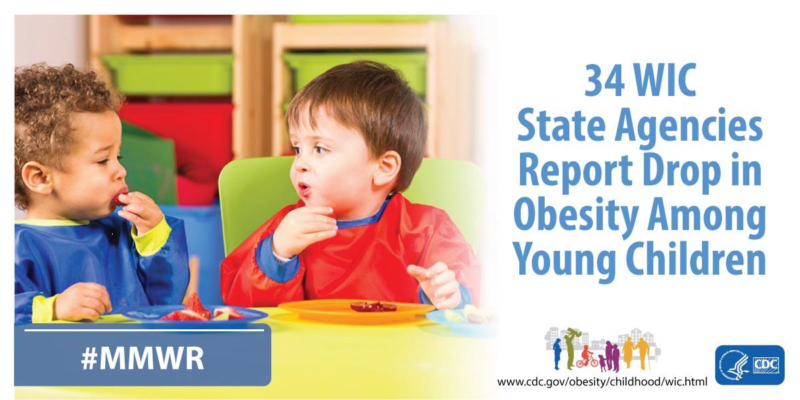
Thirty-four of 56 WIC State Agencies reported modest decreases in obesity among young children from 2010 to 2014; however, Hispanic children still had higher rates of obesity than their peers, according to the study published in the Morbidity and Mortality Weekly Report, The CDC worked in collaboration with the United States Department of Agriculture (USDA) to monitor obesity among toddlers aged 2-4 from low-income families using data from the Special Supplemental Nutrition Program for Woman, Infants, and Children (WIC) Participants and Characteristics. These decreases in obesity rates are likely due to obesity prevention efforts at the community, state, and national levels, such as the USDA redesign of WIC food packages to meet the special nutritional needs of low-income ...

Read More

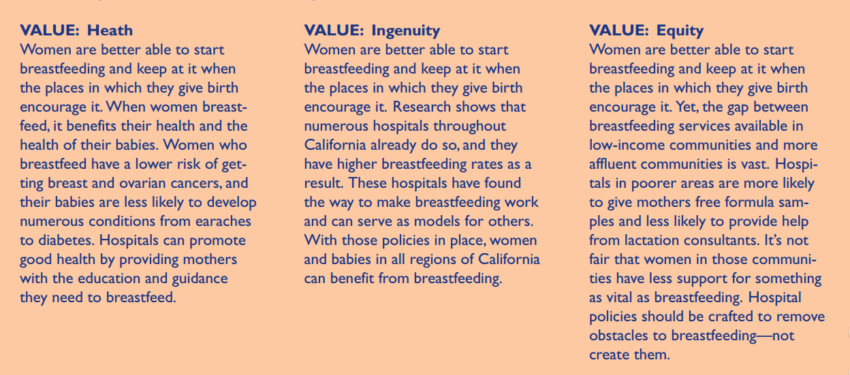
Making the Case for Breastfeeding: The Health Argument Isn’t Enough


Latino Health Breastfeeding Equity Policy

We all know that breastfeeding saves live and money, yet many moms, especially Latina moms, do not meet their own personal breastfeeding goals. Why not? According to a framing brief by Berkeley Media Studies Group (BMSG), the story on breastfeeding is narrowly framed around a portrait of the mother and baby rather than the context of real women's lives in which it takes place. Consider why Starbucks' executives get lactation rooms, but baristas have to lock themselves in the bathroom to pump breast milk. Advocates should look beyond the portrait towards to the landscape-social, cultural, political, structural, and environmental factors that make it difficult to breastfeed, like lack of support in hospitals, insufficient time and space in the workplace, unfriendly businesses, ...

Read More

Formula Marketers May Undermine Breastfeeding: A Preliminary Analysis of Social Media Marketing of Infant Formula


Latino Health Breastfeeding Marketing

Digital marketing-versus print advertising, product labels, and television commercials-is uniquely problematic today in that marketers are able to aggressively reach a pregnant woman with personalized content early and constant, which may undermine breastfeeding, according to a preliminary analysis of social media marketing of infant formula by the Berkeley Media Studies Group (BMSG) in September 2016. Breastfeeding is good for mothers and babies, and it's free; however, Latina moms face many barriers when attempting to reach their personal breastfeeding goals, one of which is the widespread marketing of infant formula, thus they have lower breastfeeding rates and are burdened by health disparities. Researchers found "a number of examples of formula companies using social media to ...

Read More