by
by 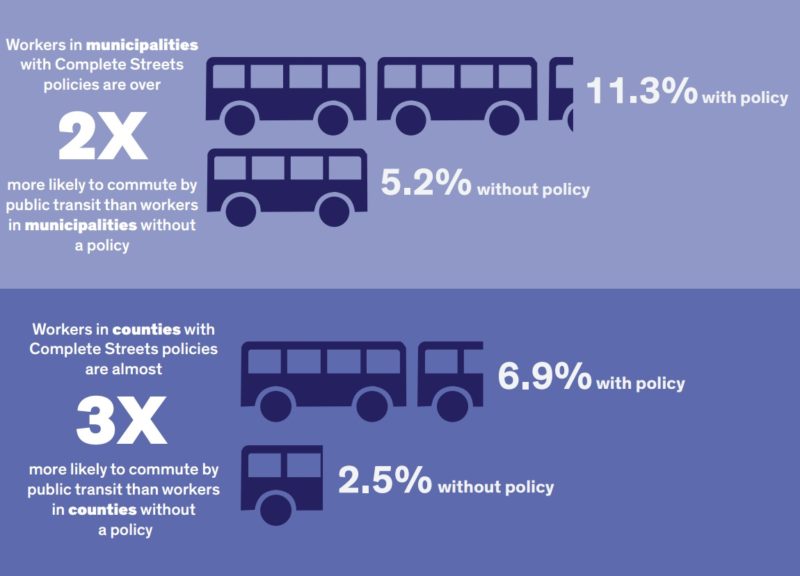
Share On Social!
Latino communities, in particular, could benefit from Complete Streets given that they are less likely to own a vehicle, have higher rates of obesity, and fewer bicycle fatalities than Whites. However, very little is known about the implementation of these policies.
Researchers at the University of Chicago at Illinois examined what provisions in complete streets policies lead to more equitable implementation and higher physical activity levels in communities and compiled their findings into the following lessons learned and strategies:
- Examining Equity in Completes Policies
- Exploring the Association Between Complete Streets Policies and Taking Public Transit to Work
- Prioritizing Transportation Equity through Complete Streets
Safe routes to healthy food is particularly critical to ensure all kids have a chance to grow up a healthy weight.
Thinking beyond adoption, help spread the word about best practices to implement equitable Complete Streets policies.

Read Income Disparities in Street Features that Encourage Walking.
Read about the best complete streets policies of 2015.
Watch a Salud Hero video about adopting a complete streets policy in San Antonio.
Explore More:
Healthy Families & SchoolsBy The Numbers
142
Percent
Expected rise in Latino cancer cases in coming years