About the Author

Author Picture

Amanda Merck

Merck completed her MPH with a concentration in Physical Activity and Health. She curates content for Salud America! (@SaludAmerica), a Latino childhood obesity prevention project based at the Institute for Health Promotion Research at UT Health San Antonio. She focuses on the latest research, resources, and stories related to policy, systems, and environmental changes to enhance equitable access to safe places for kids and families to walk, bike, and play.


Connect with Amanda:
Twitter Link

Articles by Amanda Merck

Reversing the Epidemic of Inactivity Policy Position Statement

Latino Health Walking Policy Change Design Community Lights Walkability

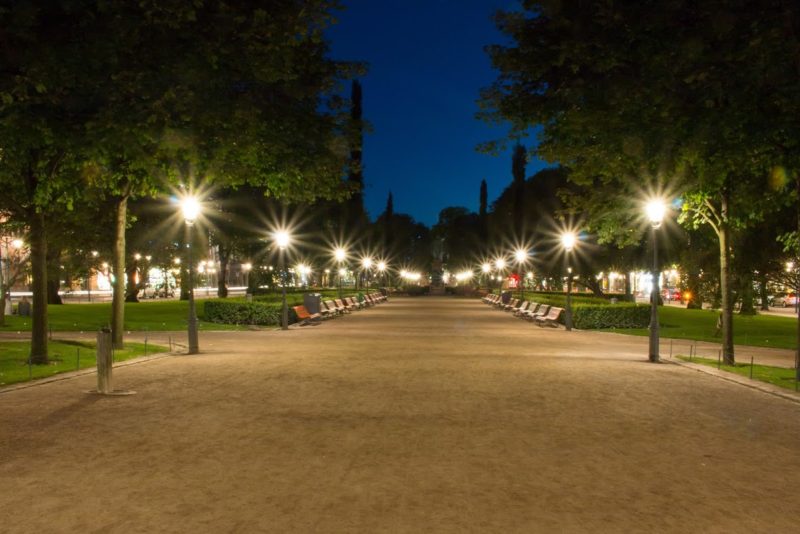
Physical inactivity is one of the 10 leading risk factors for death worldwide and causes economic harm at both the social and individual level. Good news is that physical inactivity is modifiable and regardless of weight status, you can reduce your risk of disease and death by being physically active for 150 minutes per week, or 22 minutes per day. However, lack of access to safe places to walk, bike, and play is a major barrier for Latinos to be active and healthy. The America Council on Exercise (ACE) released a new policy position statement on The Inactivity Epidemic. ACE seeks public policies that will reverse the epidemic of inactivity by making physical activity more accessible for all populations. ACE believes a public-policy change is required to reverse decades-long ...

Read More
County-wide Health Initiative to Open School Grounds After Hours in Arizona


Latino Health Physical Activity School Shared Use

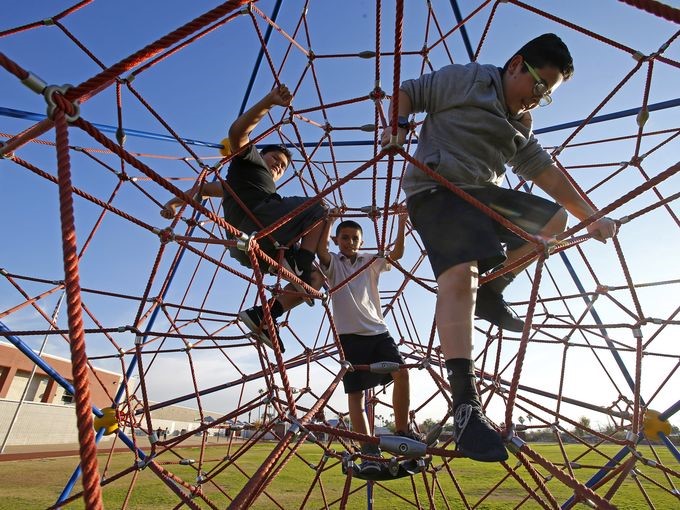
School playgrounds, fields, and gyms sit unused afterschool and on weekends in Maricopa County, Arizona (30.5% Latino), and across the country, because schools are locked up after classes end. Access to safe places to play is critical to reduce obesity among Latino kids and families and boost their mental, physical, and emotional health. However, schools close their gates for many reasons such as, concerns about liability, vandalism, and additional staffing and maintenance costs. Noteworthy, Arizona state law protects schools from liability when outdoor facilities are open to the public. Also vandalism decreases with better lighting and when more people utilize the park, and many schools across the country establish partnerships with parks and recreation departments to help with ...

Read More

Connecticut Transforms Former Mall into a Green Space


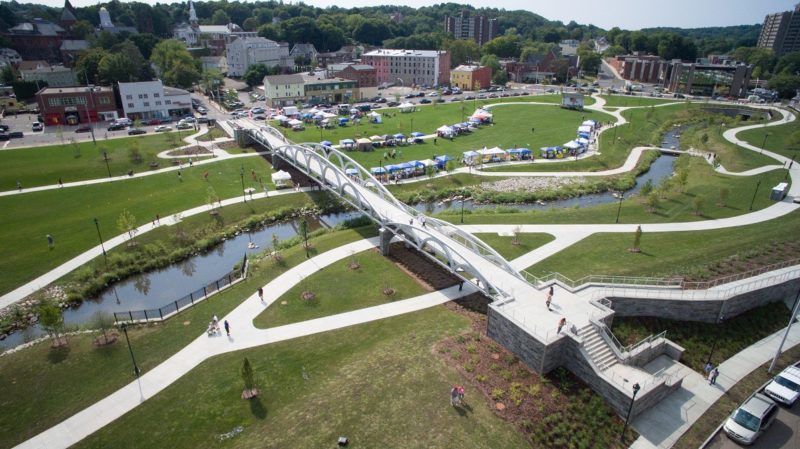
Malls are often partially blamed for the decay of walkable downtowns and linked with greater vehicle dependence, thus depriving cities of sustainable economic growth and safe places for kids and families to walk. A failed mall in Meriden, Connecticut (28.7% Latino) was transformed into the type of public space that boosts mental, physical, and emotional health, as well as the economy. A mall was built in a small town between Hartford and New Haven in 1970. Due to inadequate flood control-underground pipes blocked three brooks-during construction of the mall, flooding was an issue. In 1992 and 1996, flooding caused $26 million in damages to the downtown area. The City began the Harbor Brook Flood Control project which continues today. The vacancy rate of retailers the mall ...

Read More

19 Evidence-Based Strategies for Recess


Latino Health Physical Activity Recess School

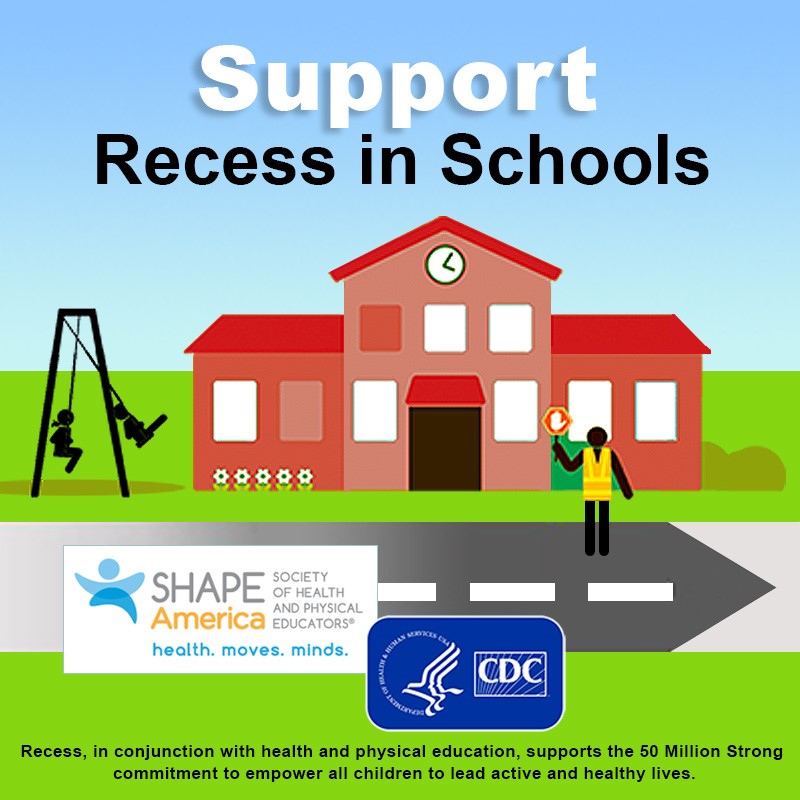
Recess can help kids get their 60 minutes of recommended daily physical activity to reduce their risk of developing lifelong chronic diseases, like heart disease, and diabetes, and to improve their academic performance and mental health. Unfortunately, Latino kids have fewer opportunities before, after, and during school for physical activity than white kids. The Centers for Disease Control and Prevention (CDC) and SHAPE America have developed a guide that provide schools with 19 evidence-based strategies for recess, as well as a planning guide and template to help develop a written recess plan that integrates these strategies. Download these free resources to start a healthy change in your school and then spread the word!   Recess is a critical part of the school ...

Read More

Baby Café Brings ‘Breastfeeding Peer Counselors’ to San Antonio Moms


Infant nutrition experts Norma Sifuentes and Diana Montano have promoted breastfeeding for 30 years combined in San Antonio, Texas (63.2% Latino). The two women, employees of the San Antonio Metropolitan Health District’s Women, Infants and Children (SAMHD-WIC) department, know that breastfeeding duration rates are low here. Less breastfeeding means more risk of  obesity, diabetes, and lower IQs. So Sifuentes and Montano worked together to create a place—a haven—to help low-income Latina and all mothers access breastfeeding support and peer counseling. Why isn't breastfeeding more prominent? The benefits of breastfeeding are numerous. For babies, it reduces risk of infectious diseases, asthma, atopic dermatitis, childhood leukemia, diabetes, obesity and sudden infant ...

Read More

APHA’s 1 Billion Steps Challenge


Latino Health Walking

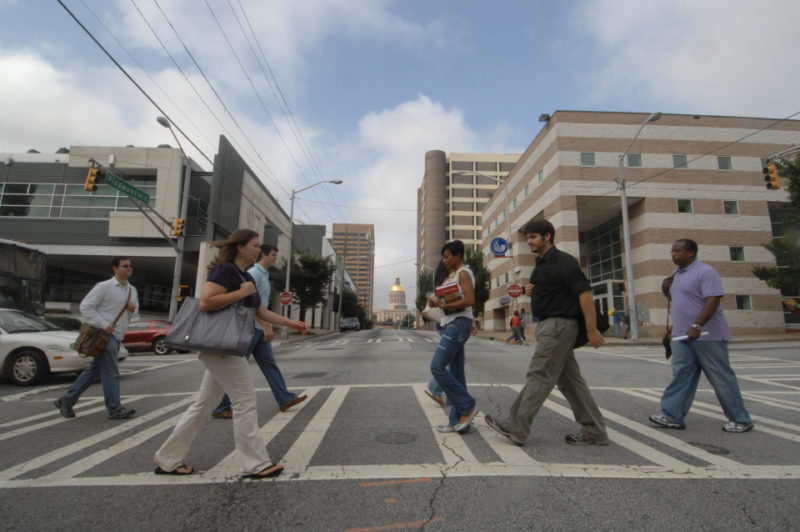
Walking is one of the easiest things you can do to improve your health! Unfortunately many Latino families lack access to safe places to walk and play, thus face health disparities. The America Public Health Association is hosting a billion mile challenge to encourage everyone to log some steps and to start the conversation about designing communities that promote physical activity. The Billion Steps Challenge begins January 9, and continues through April 9, 2017. Learn more and register yourself or a team here. They provide the technology platform as well as sample promotional ...

Read More

Breastfeeding Emoji is on the Way


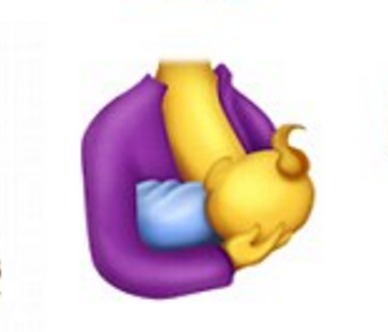
In November 2015, the Unicode Consortium approved 51 new emoji's, and breastfeeding is one, according to Forbes. Based on requests and popular demand, the Unicode Consortium decides which emojis will be available for mobile devices, laptops, desktops and wearables. Interventions or policies aimed at improving breastfeeding rates among Latina mothers may be critical to promoting physical and mental health; however, Latina moms often face social, political, environmental, and cultural barriers to reach their own breastfeeding goals. In order to build a culture of health it is critical to support breastfeeding and empower women to live healthier lives. The emoji should be available in 2017. Spread the ...

Read More

Soul of the Community Survey Research Brief


Latino Health Physical Activity Equity

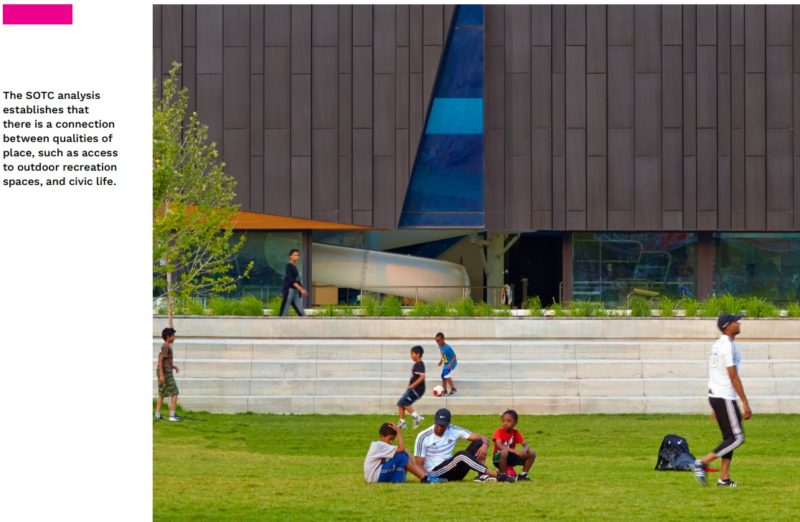
Perceptions of place impact behavior, thus health. Think of specific places, like neighborhoods, sidewalks, and parks; specific physical activity behaviors like walking, playing, and biking; and specific health issues, like heart disease, diabetes, and depression. Latino children often lack access-both real and perceived-to safe, available places to be physically active, thus their mental, physical, and emotional health suffer. Literature regarding inequity in places to walk and play and subsequent health disparities is continuously growing. According to a new survey, perceptions of place also impact civic engagement. The Center for Active Design (CfAD) analyzed data from the Soul of the Community survey to explore the relationship between qualities of place and civic ...

Read More

6 Reasons Why Walking is the Daily Brain Medicine We Really Need


Latino health walking

In addition to reducing your risk for heart disease, diabetes, 13 types of cancer, and numerous other lifelong health complications, physical activity, like walking, also boosts your mood, and improves academic performance, creativity, and your memory. Physical activity plays a critical role in reducing health disparities among Latinos because they face disproportionately more barriers to access safe places to walk and play. Forbes shares six reasons why you should make walking part of your day: Walking boosts your mood, even when you're not expecting it. Walking enhances creativity, especially when you're seeking a solution. Walking sparks connections between brain cells. Walking improves working memory. Walking yields the right rhythm for thinking. Walking is ...

Read More