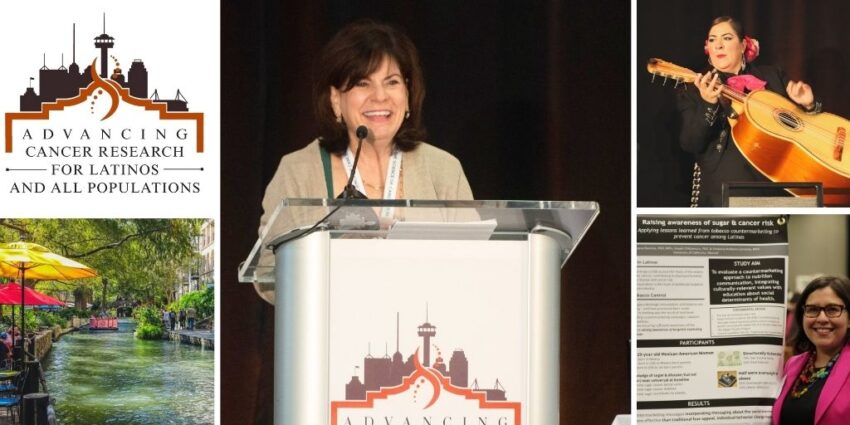
To spur solutions that improve cancer care in South Texas and across the United States, UT Health San Antonio and its Mays Cancer Center are hosting the 5th biennial Advancing Cancer Research for Latinos and All Populations conference on Feb. 18-20, 2026, at the Plaza San Antonio in San Antonio, Texas. Advancing Cancer Research for Latinos and All Populations is expected to draw over 300 researchers, doctors, community leaders, and survivors for an open dialogue on the latest cancer research and how to improve cancer outcomes for all people. Media is invited to attend. “Advancing Cancer Research for Latinos and All Populations is where we gather to share timely research from every stage of the cancer continuum to improve genetic studies, clinical best practices, and community ...
When it comes to making an impact in research, communication is key! But not everyone has the right tools to effectively communicate research into solutions that can drive health outcomes for adults living with Alzheimer’s and related dementias. The University of Maryland School of Graduate Studies wants to close the knowledge gaps in research communication by offering a program to doctoral students and postdoctoral scholars with backgrounds in aging and aging-related research. The Entrepreneurship and Science Communication for Aging and Aging-Related Research (ESCAAR) program aims to improve aging-focused research communication with a cohort of trainees for a 10-month program. Let’s discuss how the ESCAAR program, supported by the National Institute on Aging ...
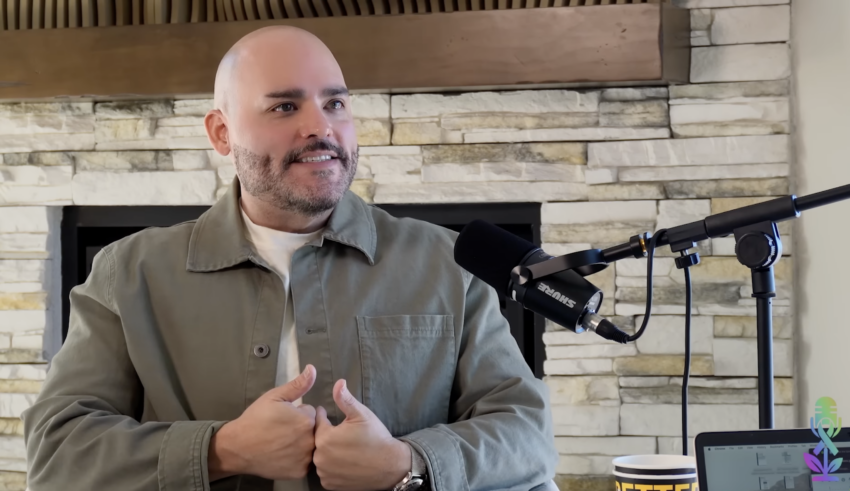
Cancer can have a big cost. That cost is physical and emotional – but also financial. From lack of insurance to access to affordable care, the financial strain of cancer can keep patients from getting the care they need, resulting in worse health outcomes and higher risk of death. Dr. Mateo Banegas appeared on an episode of the What I Wish I Knew: A Cancer Podcast on Jan. 27, 2026, to discuss the financial challenges of getting fair cancer treatment. Banegas is an associate professor and co-director of CHEER in the Department of Radiation Medicine and Applied Sciences (RMAS) at the UCSD School of Medicine. Let’s take a look at the topics he covered and how they can help you or someone you know who is dealing with cancer.
The Hidden Cost of Cancer
In ...
During a month that celebrates love, we also prioritize hearts for American Heart Month! This is a time to bring awareness to cardiovascular disease, promote educational resources, and learn more about prevention and heart health. Let’s explore some helpful bilingual resources and tools you can learn from and share with others during American Heart Month.
1. The American Heart Association
The American Heart Association (AHA) highlights that more than 23,000 children experience cardiac arrest outside of the hospital each year. With this in mind, it’s important to be trained in CPR. “By giving someone CPR you can double or even triple their chances of survival. Be ready when it matters most. Learn CPR and become part of the Nation of Lifesavers,” the AHA ...
Did you know 1 in 3 American adults has liver disease? You can watch a webinar on how to "love your liver" from Feb. 5, 2026, led by Dr. Rebecca Jones of UT Health San Antonio and supported by Blue Faery: The Adrienne Wilson Liver Cancer Association. The webinar aims to promote early detection and prevention of liver cancer among all people, especially in the African American community. "50% of Americans live with at least one of the leading risk factors for liver disease. Now is the time to educate yourself and take steps to protect your liver," said Jones, who is assistant director of the Institute for Health Promotion Research and assistant director of community outreach and engagement for the Mays Cancer Center at UT Health San Antonio. watch the webinar!
About The 'Love ...
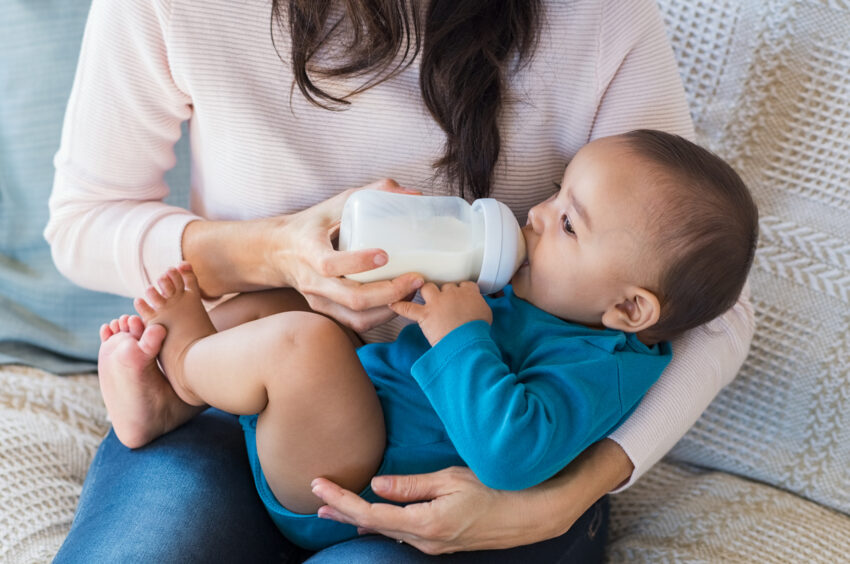
From breastfeeding to solid foods and vegetables, the U.S. Centers for Disease Control and Prevention (CDC) address childhood food issues in a new report, Early Childhood Nutrition. The report covers: Breastfeeding
Support for Infant Feeding
First Solid Foods
Healthy Eating
Affordability of Nutritious Foods Let’s dive deeper into the report and how it impacts families with children.
1. Most Infants Don’t Receive Full Health Benefits from Breast Milk
The CDC report found that only 2 in 5 infants born in 2022 were still being breastfed on their first birthday, meaning that most infants do not receive the full health benefits that breast milk can provide. “Breastfeeding is the best source of nutrition for most infants. It helps protect babies and moms from ...
The USDA’s newest Dietary Guidelines for Americans, 2025–2030 focus on eating more real foods and less highly processed ones. The guidelines, released on Jan. 7, 2026, also contain a refreshed food pyramid. Let’s look at 10 recommendations in the new guidelines and how it can impact everything from and how it can impact everything from how to shop at the grocery store to how you cook at home.
1. Eat Real Food
The new dietary guidelines have a simple foundation: eat real food. That means more diets built on whole, nutrient-dense foods like protein, dairy, vegetables, fruits, healthy fats, and whole grains. Pair that with a “dramatic reduction” in highly processed foods laden with refined carbohydrates, added sugars, excess sodium, unhealthy fats, and chemical ...
Turning 40 is a big milestone for many women in their career, lifestyle, and familia.
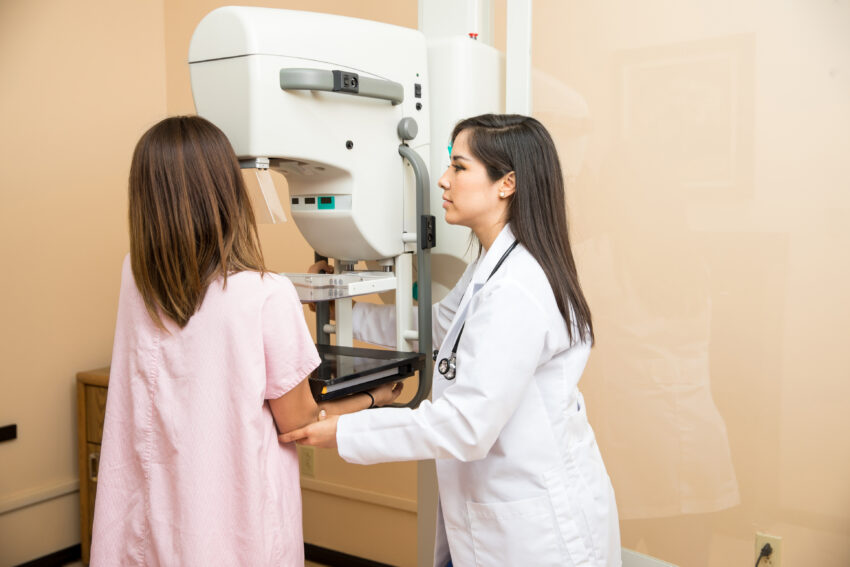
It’s also a big year for health – like scheduling your first mammogram.
An annual mammogram, starting at age 40, is important because it can tell you a lot about your breast health, including if you have dense breasts.
Women with dense breasts, including Latinas, have a higher risk for breast cancer and may require more screenings.
What do you need to know about breast density?
Check out our new guide, The Breast Density Road Map, to help you navigate breast density and what it means for your breast health.
The guide was created by Dr. Amelie G. Ramirez of UT Health San Antonio with expertise from Dr. Jessica Treviño Jones, a breast medical oncologist at Mays Cancer Center at UT Health San ...
A little over 40% of US adults are impacted by obesity, including many Latinos, putting them at higher risk for diabetes, heart issues, and cancer. But when people with obesity try to get help, negative stigma can curb progress. Often, they hear advice from healthcare providers like; “Eat healthier” or “Work out.” While these are key parts of a healthy life, other factors and underlying conditions are involved. When a healthcare provider is quick to dismiss a patient with this advice, it can make the patient feel like they are to blame and may even make matters worse. That’s why the Endocrine Society is launching interactive listening sessions to enable patients and people who have experience with obesity to help shape best practices and clinical ...