To celebrate Hispanic Heritage Month and National Breast Cancer Awareness Month, we are pulling back the curtain on the highs and lows of navigating the breast cancer experience with a special Instagram Live event. Dr. Amelie Ramirez, the director of UT Health San Antonio’s Institute for Health Promotion Research and leader of Salud America!, is leading a discussion between Susan G. Komen patient navigator Marcela Orozco and Deborah Blake-Ontiveros, a two-time breast cancer survivor and Latina patient advocate. In partnership with Susan G. Komen, “Navigating the Trials & Triumphs of Breast Cancer,” covers topics such as the importance of patient navigation, clinical trials, advocacy, and finding bilingual resources. Watch on Instagram on the Salud ...
1 in 5 Latinos say that they have achieved the American dream and 33% say they are on their way to achieving it. However, 18% say the American dream is out of reach for them and 27% say it doesn’t exist at all, according to a recent analysis by Pew Research Center that focuses on U.S. Latinos’ views of the American dream and their outlook on economic mobility. Let’s look deeper into how attainable the American dream is for Latinos in the U.S.
What is the American Dream?
The American dream can be defined by many factors, including economic mobility, homeownership, and political freedoms. “About six-in-ten Hispanics tie the American dream to financial or economic factors,” according to previous surveys from the Pew Research ...
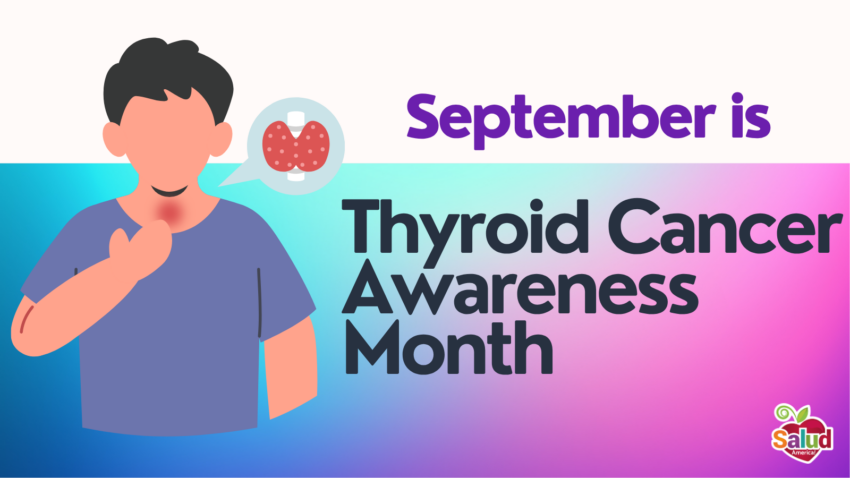
Thyroid cancer is one of the most common cancers in the U.S. with about 45,000 new diagnoses projected for 2026, according to the American Cancer Society (ACS). It’s also one of the more treatable cancers. Despite that, women, especially Latinas, face a higher burden of thyroid cancer. September is National Thyroid Cancer Awareness Month, so we are bringing attention to nine things you should know about thyroid cancer.
1. Thyroid Cancer Develops in the Thyroid Gland
Thyroid cancer forms in the thyroid gland, according to the Cleveland Clinic. The thyroid gland, located at the base of the neck, is responsible for making hormones that regulate energy use in the body, including body temperature, blood pressure, and heart rate. One ...
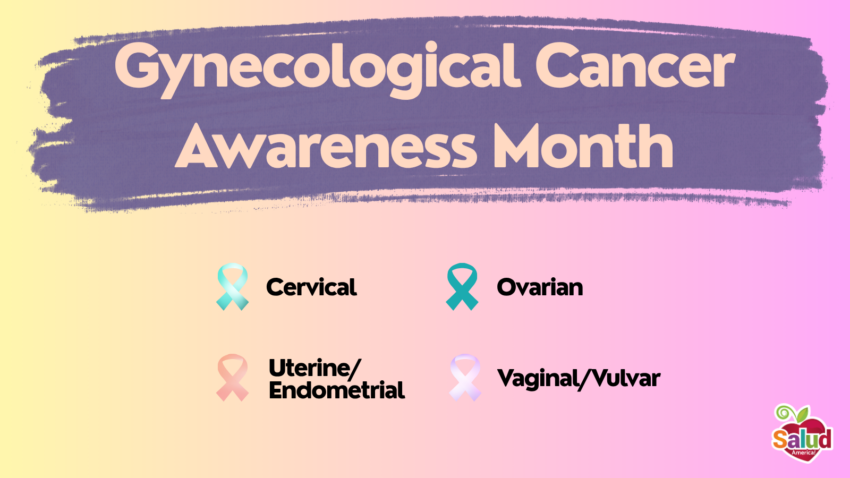
The human reproductive system is an intricate network of structures, tubes, and organs that are responsible for giving life. But sometimes, it can also be a source of pain, discomfort, and disease. This includes gynecological and reproductive cancers, such as cervical cancer. Due to background-based stigmas, incorrect information, lack of access to reproductive care, and few women doctors, these cancer diagnoses can be difficult to accept and even harder to catch. For National Gynecological Cancer Awareness Month, we are breaking down the top eight things to know about reproductive cancers.
1. There Are 5 Major Gynecological and Reproductive Cancers
Gynecological cancers consist of 5 major cancer types. Cervical cancer. This is ...
People are increasingly coming to AI for help with health. Today, one of four Americans say they use AI chatbots to diagnose health symptoms, according to a recent report from the Pew Research Center. These users are also learning about their lab results and treatment options. To understand the reasons why, let’s dive deeper into this topic and how it can impact the health of our neighbors and communities.
Why Are Chatbots Used for Health Info?
Americans use AI chatbots for several health reasons, according to a Pew Research survey of 3,488 U.S. adults conducted June 22-28, 2026. Reasons include: Get health information quickly
Figure out what's causing symptoms
Get health information at little to no cost
Get health information about treatments
Learn more ...
Hispanic Heritage Month is here! This annual U.S. observance, from Sept. 15 to Oct. 15, celebrates the histories and contributions of Americans whose ancestors came from Spain, Mexico, the Caribbean and Central and South America. We at Salud America! invite you to celebrate Hispanic Heritage Month in these 31 awesome ways.
1. Learn How Hispanic Heritage Month Began
U.S. Congressmen Edward R. Roybal of Los Angeles and Henry B. Gonzales were among those who introduced legislation on the topic in 1968. President Lyndon Johnson implemented the observance as Hispanic Heritage Week that year. Did you know which U.S. President turned it from Hispanic Heritage Week to Hispanic Heritage Month? Learn more here.
2. Find Out Why Hispanic Heritage Month Starts on Sept. 15
Sept. ...
No family wants to hear news that their child has been diagnosed with cancer. Unfortunately, an estimated 15,780 U.S. children between birth and age 19 are diagnosed with cancer every year, disrupting family life to the very core. However, Jason Massiatte is doing the work to make sure San Antonio and Bexar County families are getting the help they need through the Hope at Heart Foundation. Massiatte leads the foundation, which provides counseling, financial assistance, and other support as families navigate the complex hardships of childhood cancer.
Jason Massiate: The Inspiration to Help Others
A San Antonio native, Massiatte was inspired to help others through his own experiences growing up in a family that faced poverty and life challenges. “I know what it's like to ...
Se sabe que los problemas de visión relacionados con la edad pueden aumentar el riesgo de demencia. Pero ¿qué pasa cuando la visión de una persona queda dañada por un derrame cerebral, causando visión doble, pérdida de campo visual en cada ojo, o problemas en los nervios que controlan el movimiento de los ojos? Según un nuevo resumen de investigación, los sobrevivientes de derrame cerebral que tuvieron problemas de visión mostraron una probabilidad 2.3 veces mayor de tener demencia, en comparación con quienes no tuvieron problemas visuales. Le invitamos a revisar la nueva hoja informativa “Visión Después de un Derrame Cerebral: Lo Que Significa para la Salud de Tu Cerebro”, creada para ayudar a nuestros abuelos, familias y cuidadores a entender cómo ...
About 1 in 8 men will be diagnosed with prostate cancer in their lifetime, according to the American Cancer Society (ACS). September is National Prostate Cancer Awareness Month! To recognize this observance, we are bringing attention to prostate cancer, reducing the stigma behind it, and talking about ways to prevent it. Here are the seven things you should know about prostate cancer.
1. Overlooked Communities Have a Higher Burden of Prostate Cancer While prostate cancer affects all populations, men from overlooked communities, such as Black and Latino men, suffer a disproportionate number of prostate cases. The incidence of prostate cancer is highest, at 200.1 per 100,0000 men, in the Black community, according to the National Cancer ...