Summer is almost here, which means we’re planning as many outdoor activities as we can to take advantage of warm weather and sunshine! But nothing ruins a great hike or beach day like a sunburn. More importantly, too much sun exposure can severely increase skin cancer risks. In fact, new research shows that in the past two decades, melanoma incidence among Latinos has risen almost 20 percent. What’s the deal? Poor sun safety habits and lack of awareness are just a few factors, studies find. Join us and our co-hosts as we tweet the facts about skin cancer, the best preventative measures and how to spot something doctor-visit-worthy at the next #SaludTues Tweetchat. WHAT: #SaludTues Tweetchat: “What You Need to Know about Skin Cancer”
DATE: Tuesday, April 28, ...
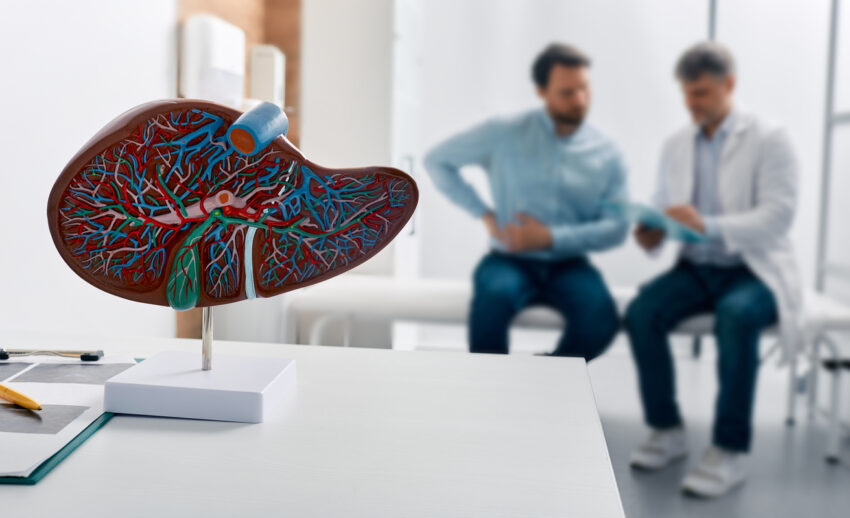
Hispanics are more likely to get alcoholic liver disease, and get it at younger ages, according to a new study, Inquisitr reports. The study, by the UC Davis Health System, conducted a retrospective chart review of more than 1,500 patients with alcoholic liver disease—a spectrum of diseases including alcoholic fatty liver, alcoholic hepatitis, and alcoholic cirrhosis that often result from long duration of high amounts of alcohol. Not everyone is affected by alcohol the same way. Even if the same amount of alcohol is consumed, the liver damage from alcohol in some people can be more severe than in others, suggesting that other factors, such as genes and environment, can influence the development of liver damage. In the study, more Hispanic people get alcoholic liver disease, ...
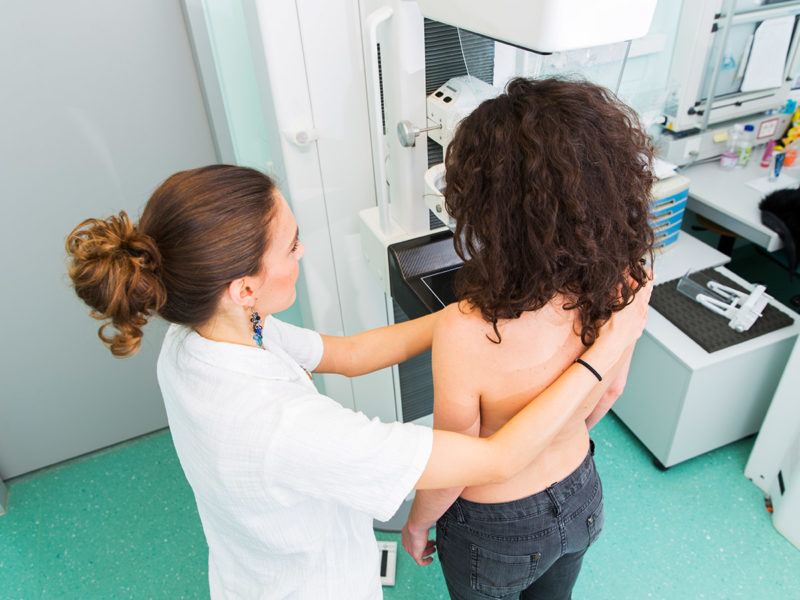
Some people have a higher risk for cervical cancer. Why does cervical cancer—which is highly curable with early detection and highly preventable through vaccines—pose such a threat? Let’s use #SaludTues to tweet strategies and resources to increase cervical cancer knowledge, prevention, and screening: WHAT: #SaludTues Tweetchat: “What All People NEED to Know about Cervical Cancer”
DATE: Tuesday, Jan. 20, 2015
TIME: 1-2 p.m. ET (Noon-1 p.m. CT)
WHERE: On Twitter with hashtag #SaludTues
HOST: @SaludAmerica
CO-HOSTS: @CDC_Cancer (U.S. Centers for Disease Control and Prevention), @livestrong, and @thenci (National Cancer Institute and oncologist Dr. Sarah Temkin) Be sure to use the hashtag #SaludTues to follow the conversation on Twitter/X and share your ...
People need strong health care coverage, as many struggle with obesity, diabetes, and certain cancers. Let’s use #SaludTues to Tweet strategies and resources on how to increase health care coverage among Latinos and all people during a Tweetchat at 1 p.m. ET Tuesday, Dec. 9, 2014: WHAT: #SaludTues Tweetchat: “Health Coverage: Issues + Solutions”
DATE: Tuesday, Dec. 9, 2014
TIME: Noon-1 p.m. CT (1-2 p.m. ET)
WHERE: On Twitter with hashtag #SaludTues
HOST: @SaludAmerica
CO-HOSTS: U.S. Department of Health & Human Services (@HHSGov), Enroll America (@GetCoveredUS), and the Nation Council of La Raza (@NCLR) Be sure to use the hashtag #SaludTues to follow the conversation on Twitter/X and share your stories and resources. #SaludTues is a Tweetchat on ...
Breast cancer patients given information about clinical trials in multiple ways, including a tailored video on breast cancer clinical trials, had much greater awareness of trials than patients who got usual-care information, according to new data. After receiving the extra information—an interactive video about clinical trials, a bilingual booklet, and access to a patient navigator who can help answer their questions—the proportion of Latina breast cancer patients taking steps toward participating in a clinical trial increased from 38% to 75%, according to the study. The study was led by researchers from the Institute for Health Promotion Research (IHPR) at UT Health San Antonio and presented at an American Association for Cancer Research (AACR) conference Nov. 9-12, 2014, in ...
A regional health research program has unveiled a new website, membership opportunity, and scholarships under the direction of Dr. Amelie G. Ramirez of the Institute for Health Promotion Research (IHPR) at UT Health San Antonio. Dr. Ramirez’ program is called GMaP Region 4. It is one of six regional GMaPs (or Transdisciplinary Geographic Management Programs) funded by the National Cancer Institute to bring together local networks of investigators to collaboratively identify and address health issues in regions across the country. GMaP Region 4 is enhancing local communication, recruitment, and evaluation capacity to support health research, training and outreach in Arizona, New Mexico, Colorado, Oklahoma, Texas, Kansas, Wyoming, Utah and Nebraska. Join the program to learn ...
Julie La Fuente Louviere of San Antonio has fought—and survived—three bouts of breast cancer. She doesn’t let cancer keep her down. The wife and mother of two has lost weight, ran a half-marathon, celebrated 25 years of marriage, turned 50, become a grandmother, and watched her oldest graduate from law school. "Survivorship means I am able to wake up every morning and be a wife to my husband, a mom to my girls, now a glam'ma to my grandson and loving aunt and sister," Louviere said. "It means I can be an active part of the present and never take life's moments for granted." Louviere is among the 16 survivors in South Texas who will celebrate a decade of cancer survival, triumph, and resiliency as part of the 10th anniversary of Nuestras Historias. Nuestras Historias, ...
Breast cancer is a top cancer killer. Let’s tweet about the latest progress in breast cancer research, the importance of breast cancer risk reduction, screening and the survivorship experience at the next #SaludTues Tweetchat. WHAT: #SaludTues Tweetchat: “Breast Cancer: Surviving and Thriving”
DATE: Tuesday, Oct. 7, 2014
TIME: Noon CST (1:00 PM ET)
WHERE: On Twitter with hashtag #SaludTues
HOST: @SaludAmerica
CO-HOSTS: @SusanGKomen, @KPVivaBien, @KPShare Be sure to use the hashtag #SaludTues to follow the conversation on Twitter, share your stories and resources that can help reduce the risk of breast cancer. #SaludTues is a Tweetchat on Twitter/X that focuses on a variety of different health issues. From September 2014 to March 2021, #SaludTues occurred ...
Dr. Amelie G. Ramirez, director of the Institute for Health Promotion Research at UT Health San Antonio, has received the 2014 “Regional Mujer Award” from the National Hispana Leadership Institute, a national leadership organization. Mujer (Woman) awards are given annually to those who serve their communities. Past Mujer winners include actresses Eva Longoria and Rosaro Dawson, Lidia Soto-Harmon, CEO of Girl Scouts, and Ivelisse Estrada, VP of Univision. “I am honored by this recognition for our multi-faceted work to reduce cancer and increase healthy behaviors,” said Dr. Ramirez.
Dr. Ramirez & Her Health Promotion Research
Ramirez is an internationally recognized health researcher at UT Health San Antonio. Here, she is professor and chair of the Department of ...