More than 60% of U.S. Latinos struggle to communicate with a healthcare provider due to a language or cultural barriers, according to a new poll. In response, these Latinos rely on family or other healthcare providers for help, according to the poll from the Associated Press-NORC Center for Public Affairs Research. 1 in 4 of these Latinos even look into translating services to help with health issues. The new poll supports past findings that 83% of Latinos report obtaining some of their health-related information from media sources (TV, Internet, etc.) and that 70% list family, friends, churches, or community groups as their main sources of health information. "The language and cultural barriers in health care for Latinos are something advocates have been pointing out for years," ...
Our roads and walkways could be our path to good health and wellbeing. But cities are stuck in a rut of prioritizing cars over people. Thankfully, over the past decade, many organizations are contributing to the growing body of health and safety research and advocacy to influence transportation projects and policies.
Knowing the Impact
In 2012, the Robert Wood Johnson Foundation released a research brief and infographic on how transportation affects health. “Health costs associated with traffic crashes, air pollution, and physical inactivity add up to hundreds of billions of dollars each year, but health is typically not considered in transportation policy and planning,” the 2012 Health Policy Snapshot Issue Brief states.
Changing the Speed Limit
In 2011, the AAA ...
Only 1 in 2 big U.S. localities—500,000 or more people—have a local board of health, compared to over eight in ten small localities—less than 50,000 people. That means half our big cities miss out on public input on important health decisions. Half our big cities do not connect their local health departments to the community they serve or other public officials. Here are some benefits of having a local board of health for your city-and for you.
What a Local Board of Health Does
A local board of health provides community oversight and guidance for local health departments. They help set public health priorities for communities. According to the Centers for Disease Control and Prevention, the top ten responsibilities of local boards of health are: Review public health ...
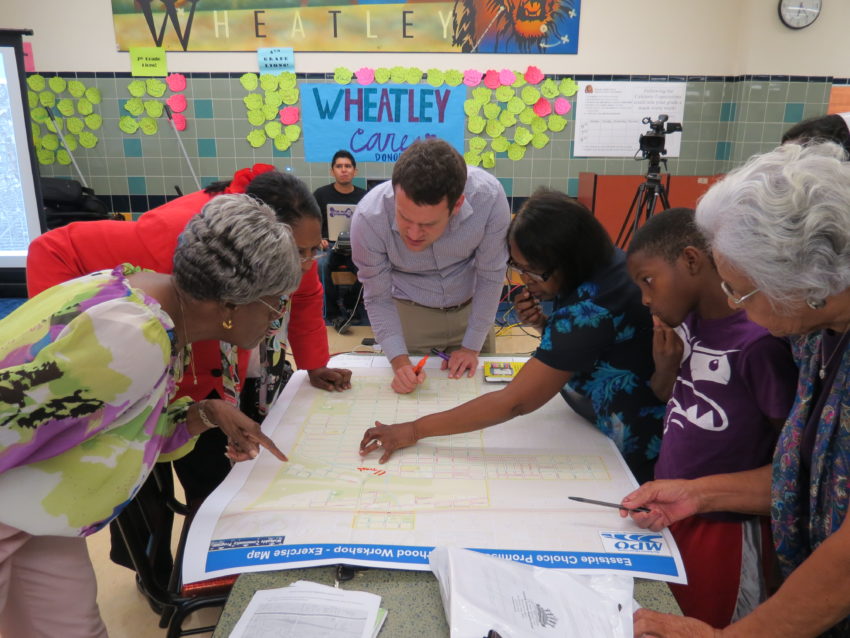
A new action-oriented guide is available to foster collaboration between the health sector and the organizations working to improve the conditions of poverty, known as the community development sector. Collaboration among these sectors is critical because more than 80% of the nearly $3.5 trillion spent on medical care each year in the U.S. is spent on treating chronic diseases, most of which are preventable and related to the conditions of poverty. Latinos and low-income populations are disproportionately burdened by the conditions of poverty, thus face higher rates of chronic disease.
Conditions of Poverty
Health is not created in a doctor’s office, it is created in healthy, equitable, and prosperous communities. However, not all communities were created equal. Some have ...
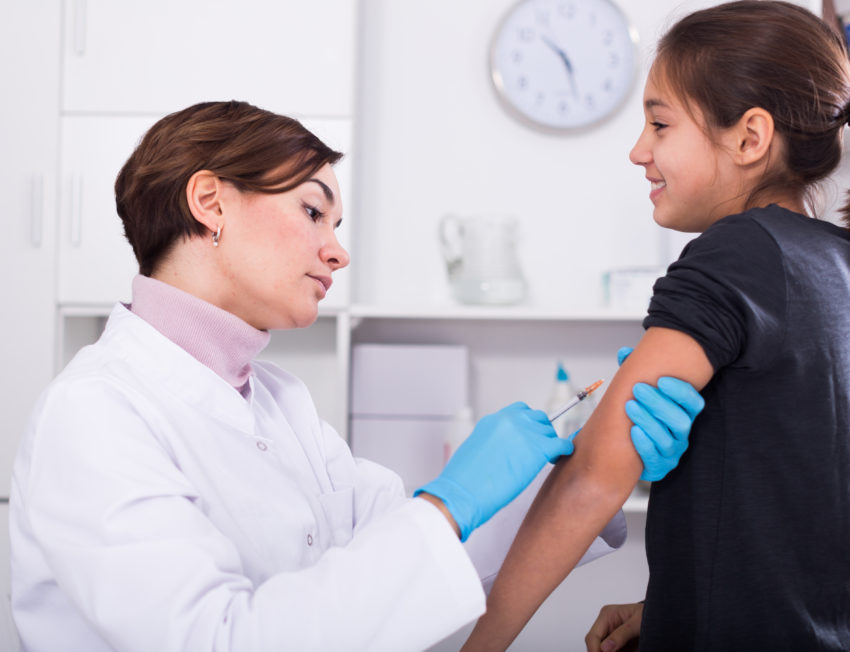
August is just around the corner which means national immunization month is nearly upon us! Nearly 30,000 cases of cervical, oral, vaginal and penile cancers can be prevented each year with human papillomavirus (HPV) vaccines, according to the Centers for Disease Control and Prevention (CDC). While many kids and families will soon be getting ready for the new school year, now is the perfect time to make sure your preteens and teens get the HPV vaccine. Girls and boys usually begin this series of vaccines between the ages of 11-12 years. However, certain cultural barriers and misinformation can keep kids from getting vaccinated. This is especially true among Latino populations where HPV vaccination rates remain low. Join us this #SaludTues on Tuesday, July 31, 2018, to ...
Toddlers and preschoolers who grow up amid poverty and racism are at a developmental disadvantage and face lifelong social, health and economic consequences that hinder health equity, according to a new report from the Robert Wood Johnson Foundation (RWJF) and the University of California, San Francisco (UCSF). This includes Latino kids, who are prone to hardships in early childhood. Experiencing poverty and racism in the first five years of life can “set off a vicious cycle of inequities” from obesity, stress, and developmental problems that affect adulthood and future generations. Fortunately, the report explores ways to overcome or prevent these damaging effects. “Reducing child poverty, eliminating structural racism, and providing universal high-quality early care ...
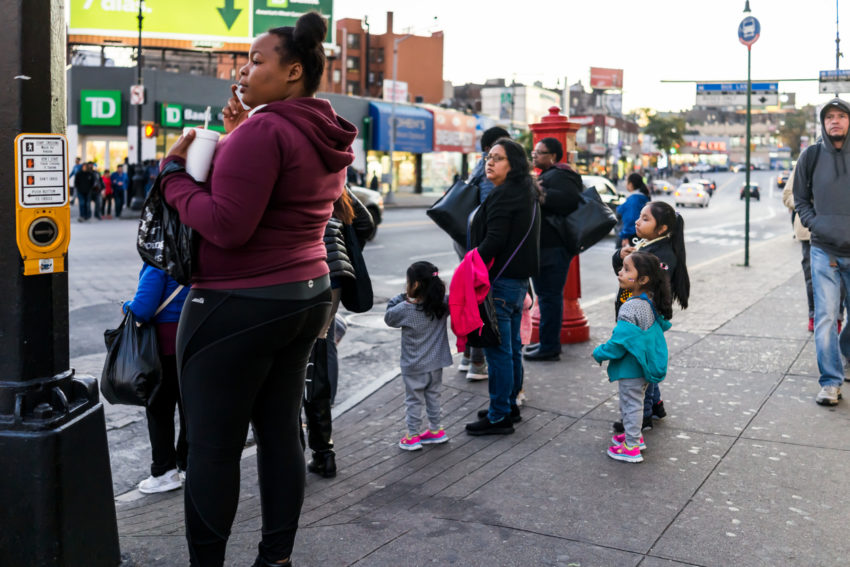
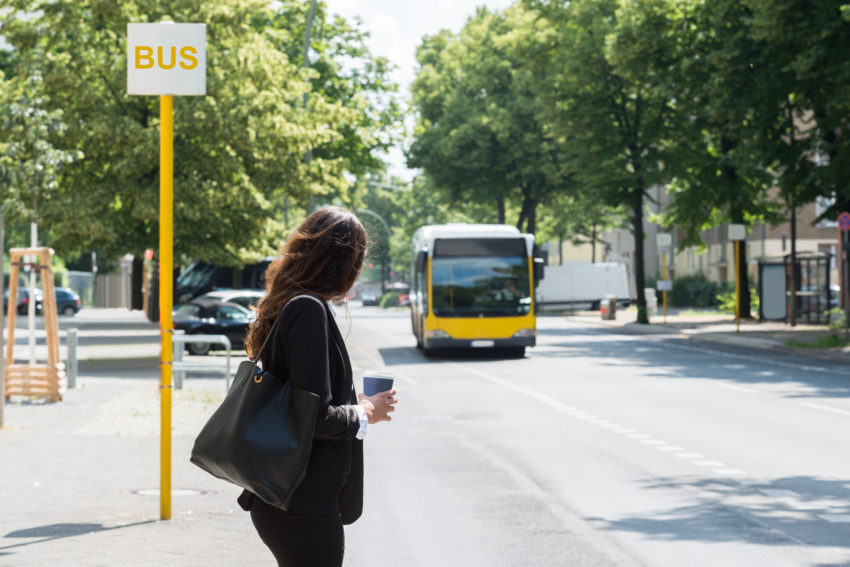
Transportation affects health. Latinos, for example, often face unsafe streets and big transportation hurdles that make it hard, costly, and even deadly to access basic and health needs. They end up suffering higher rates of disease, diabetes, depression, pedestrian injuries and deaths, and more. Yet transportation and public health professionals don’t always get together for solutions. Fortunately, the Transportation Research Board is enabling these connections. The Board created its Health & Transportation Subcommittee in 2011, hosted a topical conference and magazine edition in 2015, and will carve out space in its 2018 annual meeting to explore this topic. “[We aim] to identify, advance and publish research and information to expand and improve current ...
Mental health isn't talked about enough in the Latino community. Even if they want to talk, their doctors are rarely equipped to overcome language and cultural barriers to answer questions. That's starting to change in Missouri. A new residency program is recruiting doctors-in-training to provide Spanish-language mental healthcare services to Latinos in clinics across the state. The program is a collaboration between Ponce Health Sciences University in Puerto Rico, which operates a satellite campus in Missouri, and Compass Health Network, a nonprofit with healthcare clinics serving rural residents across Missouri, the St. Louis Post-Dispatch reports. "Very few Missouri clinics have therapeutic staff who speak Spanish," according to the news report. "Compass Health Network ...
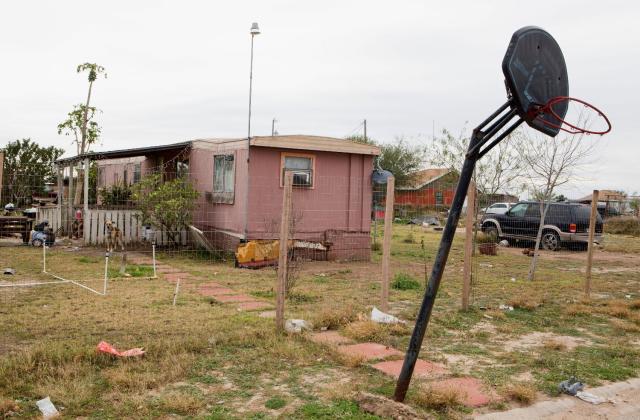
Health problems plague the half-million people living in colonias in South Texas, U.S. News reports. Colonias are predominantly Latino, unincorporated, and impoverished areas along the Texas-Mexico border. People live in makeshift shacks or trailers. They lack streets and basic public services, such as running water. Texas has about 2,300 colonias. 900 are in the Rio Grande Valley, including Hidalgo County. The county is one of the fastest growing counties in Texas, home to the bigger cities of McAllen & Edinburg. "Ramshackle living conditions [in colonias] have led to a plethora of health concerns," according to the news report. "About 38,000 colonia residents lacked access to clean drinking water."
Colonia Health Concerns
Many Latino families lack of support for economic ...