For years, studies have shown that Latinos have a profound mistrust of doctors and scientists. Consequently, Latinos participate in clinical trials at far lower rates than other ethnic groups, which perpetuates the health disparities seen with many diseases like Alzheimer’s and certain cancers. This also makes it harder for researchers to find treatments that work best for Latinos. Minorities actually represent less than 30% of those enrolled in clinical trials sponsored by the National Institutes of Health (NIH), according to a recent report. Latinos comprised less than 7.6% of trial participants. “There hasn’t been a single [prostate] screening trial including a significant number of Latinos or blacks … yet it impacts our practice and we have no data to know if it ...
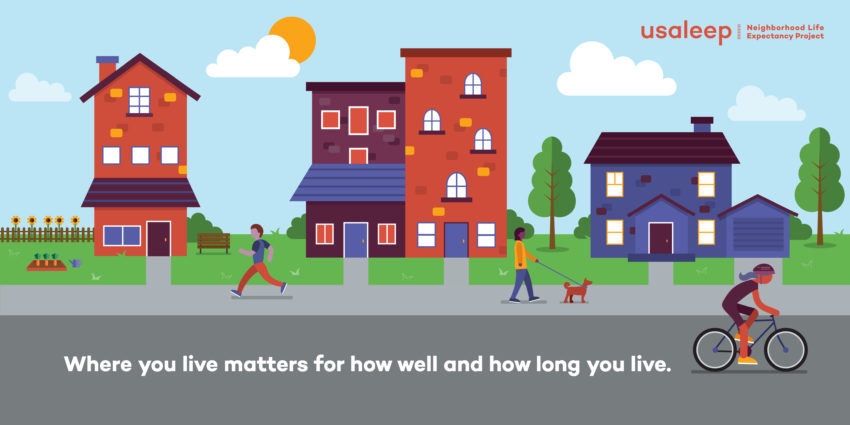
These days, ZIP code isn’t only for your mail. ZIP Code is a bigger predictor of our life expectancy than our genetic code. For the first time in our country’s history, the U.S. is raising a generation of children who may live sicker and shorter lives than their parents, according to the Robert Wood Johnson Foundation. But there’s good news. For the first time ever, a census-tract-level data on life expectancy at birth has been released to help stimulate change. The expectancy estimates—released by The United States Small-Area Life Expectancy Estimates Project (USALEEP), a joint effort of the National Association for Public Health Statistics and Information Systems, the Centers for Disease Control and Prevention’s National Center for Health Statistics, and the ...
Latino youth are facing a rising diabetes crisis. Many lack support needed to manage their disease. That's why Dr. Siripoom McKay of Baylor College of Medicine and Texas Children’s Hospital helped create the Young Adult Diabetes Clinic to provide a medical home for diabetes management and support for Latino and all young adults. The program helps young adults ages 17-26 who may have been relying on parents for practical things like picking up their medication, setting appointments, and dealing with insurance. Young adults get connected to a physician, dietician, psychologist, social worker, and diabetes educator without parents to make sure they’re ready to go off on their own. This makes a smooth transition as they go out on their own and manage the chronic illness like ...
Where we live plays a significant role in our healthcare. But many Americans don't have easy access to the healthcare they need. In the United States, 5% of rural hospitals have shut down since 2010 with maternal and obstetric care taking the hardest hit. About 16% of the mainland United States are 30 miles or more away from the nearest hospital, CNN reports. These areas with no access to a hospital are called "hospital deserts." Many regions that are hospital deserts also have higher rates of poverty and income gaps, leaving many residents with no options for emergency or regular healthcare. "There's a lot of people out in the rural community who feel like they've been forgotten," Jessica Thompson, a registered nurse who lives in a hospital desert in Tonopah, Nev., told ...
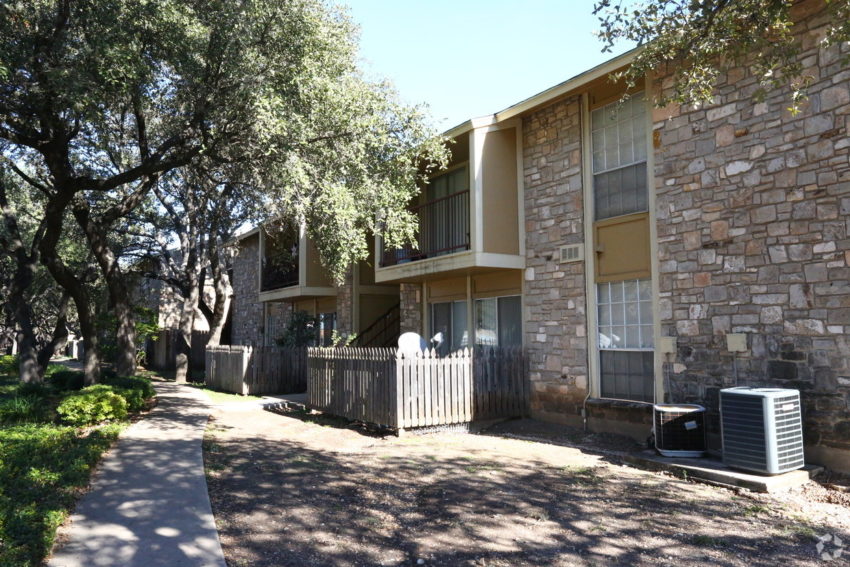
“Affordable living” is a myth for many people in San Antonio, Texas (63.6% Latino). More than half of people here don’t make the $18 an hour needed to afford the median apartment rent. Population and job growth outpace housing by 2.3 to 1. Affordable housing is lacking. Evictions nearly doubled between 2013 and 2016. This threatens economic opportunity and health for many Latino families. That’s why the Mayor’s Housing Policy Task Force’s new report urges the San Antonio City Council to budget for new housing jobs, triple city spending on affordable housing production and rehabilitation, and even change the city’s charter to create new ways to pay for more affordable housing. “For us to make a significant impact, it’s going to require a long view and ...
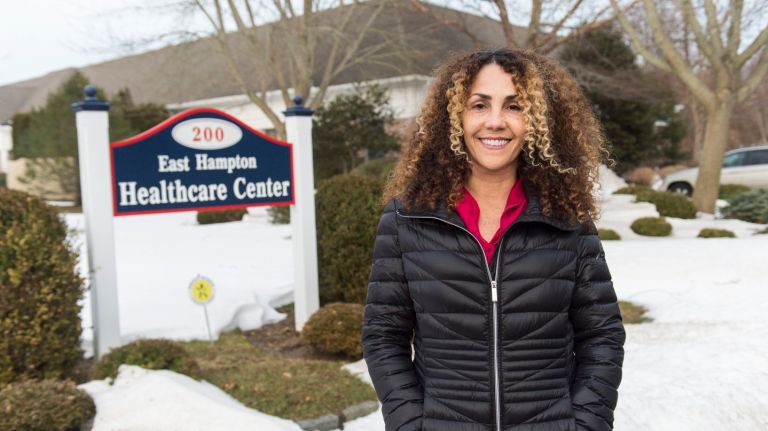
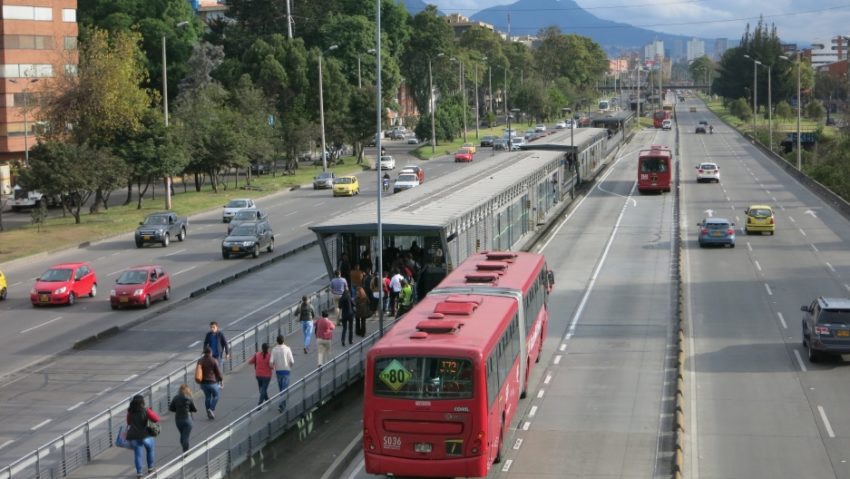
Minerva Perez hates bullies. In elementary school, Perez did not like when bullies picked on her friends. She became their bodyguard. Today, Perez is standing up to a modern bully—transportation barriers. Limited access to public transportation is bullying Latino families into skipping medical appointments, instilling big fears of deportation, and jeopardizing health in Suffolk County, N.Y. (19.5% Latino). Perez is taking action as leader of Organización Latino-Americana of Eastern Long Island. She helped create a unique free van ride program that bridges transportation gaps. It also gives her an advocacy platform to improve public transportation at the local level. How did Perez do it? Is it working?
A 3-Hour Bus Ride
Getting around in Suffolk County isn't ...
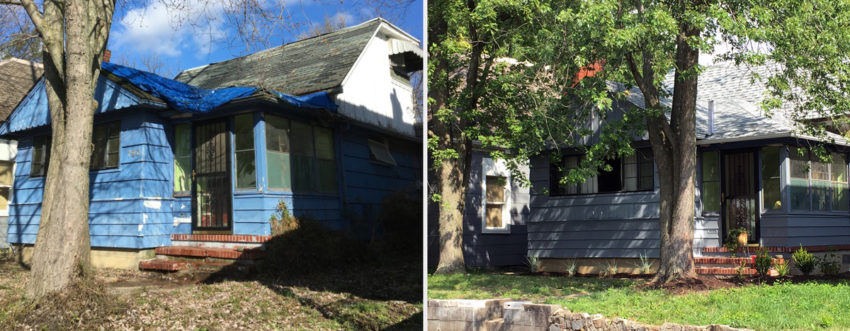
In Columbus, Ohio (5.8% Latino), the diverse Southern Orchards neighborhood suffers racism, a lack of affordable housing, economic segregation, violent crime, poverty, and expensive medical use. That’s why the whole neighborhood has become a hospital’s “patient.” Nationwide Children’s Hospital saw “unsafe conditions” as their patient’s top symptom. They diagnosed their patient with “unstable housing,” which is known to cause many economic, social, and health hardships, especially for Latinos and other people of color. The hospital prescribed a “housing intervention” and spent the past 10 years revitalizing Columbus’ South Side and Southern Orchards neighborhood through its Healthy Neighborhoods Healthy Families (HNHF) partnership with faith, community, ...
Lengthy drives to hospitals to give birth are becoming more common, The New York Times reports. 85 rural hospitals have shut down since 2010, which is about 5% of the country’s total. Maternal and obstetric care has been hit the hardest due to many factors including the cost of providing round-the-clock delivery services against declining birthrates as well as doctor and nursing shortages and falling revenues. Fewer than half of America’s rural counties still have a hospital that offers obstetric care, specifically labor and delivery wards. Specialists are heading to lucrative settings in bigger cities. Many reproductive healthcare services have been forced to close their doors in rural towns. This causes many tough issues for women and families. Pregnant women go to fewer ...
Buses don’t run to a Latino mobile home community outside Minnesota’s Twin Cities. Instead, people there are forced to rely on cars─dangerous, expensive, polluting cars─ when they need to get to jobs, food, and healthcare. This isolates them from opportunities for health, jobs, and affordable housing, just like many other suburban and rural parts of our nation. Fortunately, planned public transit improvements will enable more buses across the Twin Cities, including the mobile home community. But how? Will it work for Latinos and all vulnerable neighborhoods?
Twin Cities Growing in Population, Traffic
The area to the east of the Twin Cities─the Interstate 94 (I-94) corridor─is expected to see a 24% increase in population and a 30% increase in jobs by 2040, according ...