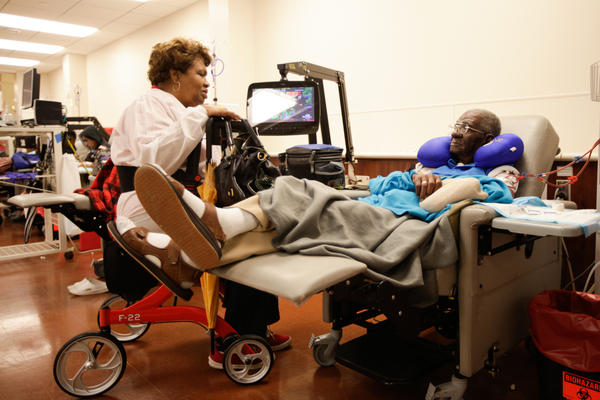
Diabetes development can lead to numerous life-changing complications when the disease spirals out of control, including the amputation of limbs. As the prevalence of the illness continues to rise––30 million Americans are estimated to have diabetes––black and Latino patients are more likely to have an amputation compared to non-Hispanic whites, CNN reports. Diabetic foot complications exact a substantial clinical and economic toll in acute care settings, particularly among the rural and working poor. The Centers for Disease Control reports that in 2014, an estimated 29.1 million adults in the United States, or 9.3% of the adult population, had diabetes. In California (39.1% Latino), minority groups were more than twice as likely as whites to undergo amputations, ...
U.S. Latinos are at higher risk for diabetes, obesity, and other health conditions than their White peers. Yet they face many barriers in accessing Medicare and other healthcare coverage. A new app can help these Latinos. Medicare's first and only app, “What’s covered,” is now available in English or Spanish. The app delivers accurate cost, coverage, and eligibility details for Original Medicare Part A and Part B items and services. The app is free on both the App Store and Google Play. To download the app in Spanish, just search for “Qué está cubierto.”
What Can the App Do?
Medicare's new app takes some of the most popular information from the Medicare website. It ensures beneficiaries have personalized, accessible guidance to make informed decisions about their ...
What are you doing for Cinco de Mayo? Many will use it as an excuse to party with margaritas and tacos. We at Salud America! invite you to think outside the box and celebrate Cinco de Mayo in one of six unconventional ways.
1. Find Out What Cinco de Mayo Really Means
Cinco de Mayo ("Fifth of May") does not celebrate Mexico's Independence Day. Mexico won independence on Sept. 16, 1810. Cinco de Mayo commemorates the Mexican Army's unlikely victory over the French Empire at the Battle of Puebla, on May 5, 1862, under the leadership of General Ignacio Zaragoza. Still, it has evolved into an observance of Mexican heritage. "In the 1950s, Chicano activists turned Cinco de Mayo into a commemorative holiday used to educate Mexican Americans about their cultural heritage," ...
By Jason Resendez and Stephanie Monroe
UsAgainstAlzheimer’s Alzheimer’s Disease Disparities Engagement Network This month is National Minority Health Month and across the country communities are reflecting on the numerous challenges and injustices people of color face when it comes to healthcare in the U.S. For example, African Americans and Latinos face a higher risk for some of our country’s most common health problems, including obesity, heart disease, diabetes, hypertension, high blood pressure, stroke, Alzheimer’s and other dementias. To understand and address these disparities, greater attention must be paid to the role of the social determinants of health like income inequality, housing and food security, and educational opportunity. We know that this approach ...
The U.S. burden of Alzheimer’s disease and related dementia will more than double within 50 years, and Latinos will suffer the biggest rise, according to the CDC. Alzheimer’s is the only top-10 cause of death without an effective treatment or cure. However, new legislation is targeting this rising crisis.
The CHANGE Act
The CHANGE Act takes a targeted approach to addressing our nation’s Alzheimer’s crisis by encouraging early detection, diagnosis, and access to interventions, according to UsAgainstAlzheimer's. The CHANGE Act was introduced by eight U.S. Senators, including two Latinos, Robert Menendez (D-NJ) and Linda Sanchez (D-CA). Some of the senators are Republican, some Democrat. The latest emerging science indicates that proactive, risk-modifying measures exist ...
Chronic kidney disease is a crisis in the U.S. — yet, the intersection of transportation and healthcare is failing. Public transportation agencies, healthcare providers, and patients are concerned about the rising demand, cost of providing dialysis trips for patients with the illness. Of the forms of dialysis transportation, ambulance rides only make up 5% of trips in the US. However, they account for half of the $3 billion spent annually on dialysis transportation, according to a 2013 study in the Journal of Health Economics and Outcomes Research. Costs could be reduced by one-third if ambulance use dropped to 1% of trips.
Gathering Needed Data
Before policy could change, all parties involved needed to know the lay of the land. In 2016, researchers with Cooperative ...
By Yvette Pavon
San Antonio Cancer Survivor At the age of 42, I was diagnosed with breast cancer. It was found after my very first mammogram. Never did I think that a check up that I had scheduled only because it was something that women did when they got older, would discover I had cancer. I had no symptoms. When my gynecologist shared the news with me in her office, I think I was in complete denial. I mean I went for this mammogram on my own free will, not because of my doctor's concern. I remember going to dinner that night with my father, stepmother, and newly boyfriend. I wasn't scared when talking about it. I knew letting my mind run wild would not help, so I talked to God that night. "God, please give me the strength and courage that I need to get through ...
Latinos on the U.S.-Mexico border struggle with debilitating illnesses for years, but often lack proper healthcare because of socioeconomic, accessibility, or other inequalities. Dr. Amelie Ramirez grew up seeing these disparities in South Texas. She was driving to pursue a public health education and tirelessly toil to establish projects that assist the underprivileged. Perhaps Ramirez’s most innovative project, Salud America! has worked since 2007 to create a wide-reaching library of resources and actions, which greatly impact the personal and public health mindset of advocates, schools, and policymakers. Salud America! content is vital to advance the well-being of Latinos, Ramirez said. “The health inequities Latinos face was then, and continues to be, something to ...
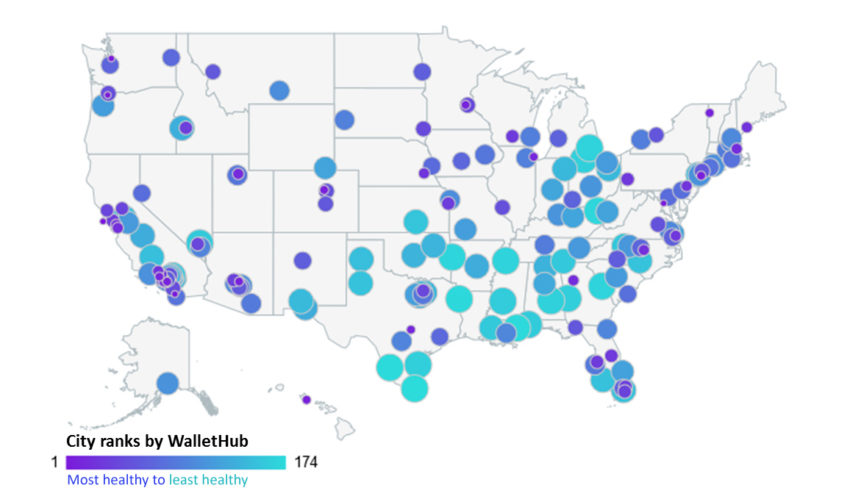
Two Texas cities—Laredo (95.4% Latino) and Brownsville (93.9% Latino)—rank as the least healthy U.S. cities, according to the 2019 Healthiest & Unhealthiest Cities in America by WalletHub. The ranking scores 174 large cities based on 42 health indicators. They look at cost of medical visits, and the number of dieticians and mental health counselors. They also factor in the amount of green space, trails, and healthy restaurants. Healthy food consumption and physical activity also has weight. "Some places promote wellness by expanding access to nutritious food and recreational facilities. Others strive to keep healthcare costs affordable for everyone or keep parks clean and well-maintained," according to WalletHub. "When a city doesn’t take care of these issues, it can ...