Cervical cancer is highly preventable. That is why it's so alarming that Latinas are twice as likely to be diagnosed with cervical cancer than other women. They also have the highest rate of cervical cancer among all women, according to CDC data. The big reason? Latinas are less likely to get regular Pap tests, which can detect the disease at an early, curable stage, experts say. "Most cervical cancers are found in women who have never had a Pap test or who have not had one recently," according to the American Cancer Society. "Women without health insurance and women who have recently immigrated are less likely to have cervical cancer screening."
What Is Cervical Cancer?
Cervical cancer is a type of cancer that occurs in the cells of the cervix, the lower part of the uterus ...
Millions of Latino and other families depend on the Children’s Health Insurance Program (CHIP) to get healthcare for their children. But CHIP funding ran out in Sept. 30 2017, amid partisan politics. Leaders installed temporary funding to keep the program afloat, but some states are preparing for the worst. What would it cost the government to extend CHIP for five years? $800 million. But if CHIP extends for 10 years, the government would actually save $6 billion, according to the nonprofit Congressional Budget Office, Vox reports. “Extending funding for CHIP for 10 years yields net savings to the federal government because the federal costs of the alternatives to providing coverage through CHIP (primarily Medicaid, subsidized coverage in the marketplaces, and ...
The importance of quality healthcare is essential to obtaining a better education, achieving sustained professional success, and long-term financial stability. Good health starts when you’re a kid and right now, millions of kids across the country depend on two government-sponsored health insurance programs: Medicaid and the Children’s Health Insurance Program (CHIP). According to a study by Child Trends, 43% of all kids in the country receive health insurance from either Medicaid or CHIP and 15 states – including heavily Latino-populated states such as California, Florida, and New Mexico – have more than half of their kids enrolled in these programs. As of August 2017, the states are: Alabama 54.9%
Arkansas 57.8%
California 53.6%
Florida 57.8%
Kentucky ...
Millions of kids depend on the Children’s Health Insurance Program (CHIP) for healthcare coverage. This care helps ensure their physical, mental, and emotional health and helps to keep them on track toward a better chance at academic success. Latino kids have especially benefited from CHIP program. More than 9 in 10 Latino kids were covered by CHIP in 2015, research shows. Yet CHIP remains in jeopardy. It expired in September 2017 and is only continuing thanks to "temporary measures" in early 2018. In fact, The Hill reports that three state governments have sent warning letters to families alerting them that they could lose coverage for their children by Jan. 31, 2018, if new permanent funding from Congress is not approved. Alabama (4% Latino), for example, recently ...
More than 8.7 million people signed up for healthcare coverage during the recent Open Enrollment period that ended on Dec. 15, 2017, a promising number despite a shorter signup period than previous years. Of the 8.7 million signups, 2.4 million were new enrollments and 6.3 were re-enrollments, according to federal data. About 9.2 million signed up last year, including 1 million Latinos. This year, given the closeness in overall signups this year to last year, it can be estimated that about the same number of Latinos sign up this year, too. Although slightly lower overall than last year, the new 8.7 million sign-ups are strong. This is because the Trump administration slashed advertising funding for Obamacare by 90% and cut spending on the navigator program, which funds ...
Many U.S. Latino families lack of access to quality education, making it harder for Latino kids to achieve academically, socially, and physically. Fortunately, schools can make a big change to support Latino kids and families. By creating integrated student support initiatives, schools can better serve both their students and their communities, according to a new report, Making the Grade: A Progress Report and Next Steps for Integrated Student Supports from the nonprofit Child Trends.
What are Integrated Student Supports?
Integrated student support initiatives add specific services—academic support, housing assistance, food supplies, medical care, mental health services, etc.—in schools to help kids and families ensure their overall health and academic success. This effort ...
Some areas of San Antonio (68% Latino) are much harder to live in than others. Latinos in these areas face more hardship, health problems, and die sooner. In fact, everyone living in these areas faces more hardship, health problems, and dies sooner. Lily Casura and other grad students in Social Work at the College of Public Policy at UT San Antonio (UTSA) mapped ZIP-code level data and launched a project to explore life lived in four difficult-to-live ZIP Codes in San Antonio. Their goal is to deepen conversations about equity and investment to improve quality of life. January 2019 UPDATE: Casura continues to gift San Antonio with interactive maps, to include results of the 2018 Community Needs Assessment.
Why ZIP Codes?
Everyone can visualize the physical environment of ...
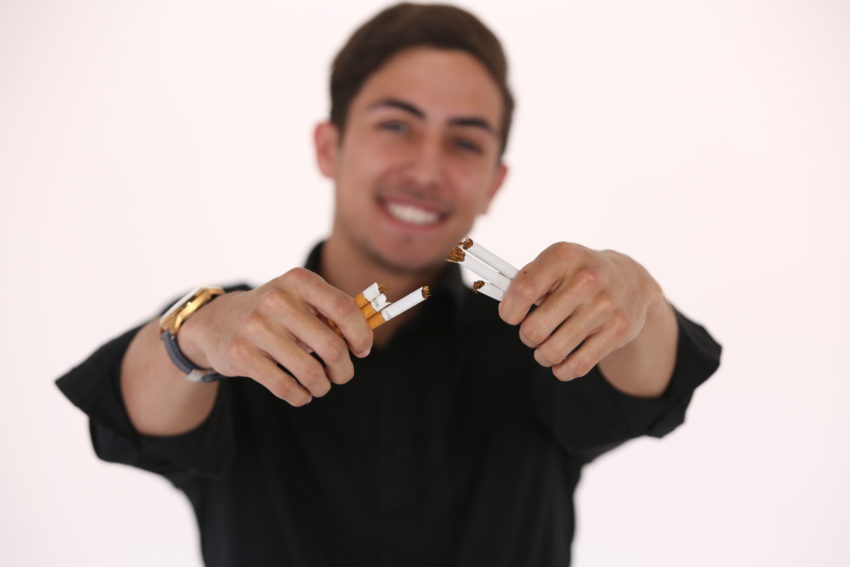
UT Health San Antonio officials recently approved a revised tobacco-free policy that comprehensively defines tobacco-free areas on campus, expands who the policy applies to, and extends the list of prohibited items to cover vaping and e-cigarettes. The university has had a tobacco-free policy since 2000. The revised policy, which is part of the UT Health SA Handbook of Operating Procedures, makes all workplaces smoke- and tobacco-free that are owned, leased, operated, or otherwise controlled by UT Health SA. This includes prohibiting all forms of tobacco, cigarettes, cigars, pipes, vaping, and e-cigarettes inside buildings and on campus grounds, entryways, and parking lots and structures, as well as in vehicles. This revised policy applies to all employees, staff and faculty, ...
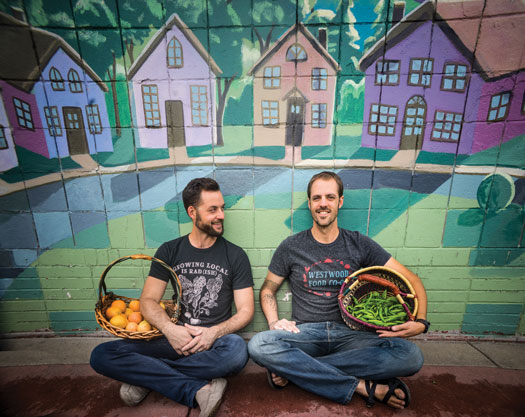
Healthy food activists Erick Kornacki and Joseph Teipel have a phrase to call the 81% Latino neighborhood of Westwood in Denver. A "food desert." For decades, Westwood residents have struggled to access healthy food. There are no nearby grocery stores or farmers markets. People lack transportation to find healthy options elsewhere to bring back. Kornacki, Teipel, and Westwood neighbors decided to take matters into their own hands. They began to build backyard vegetable gardens. They talked about how to create a food cooperative. They wanted to build the first community-owned and -run grocer as an oasis in this food desert.
Food Deserts Isolate Latinos from Healthy Food
In 2007, Kornacki and Teipel co-founded Re:Vision, a nonprofit that works on social justice and food ...