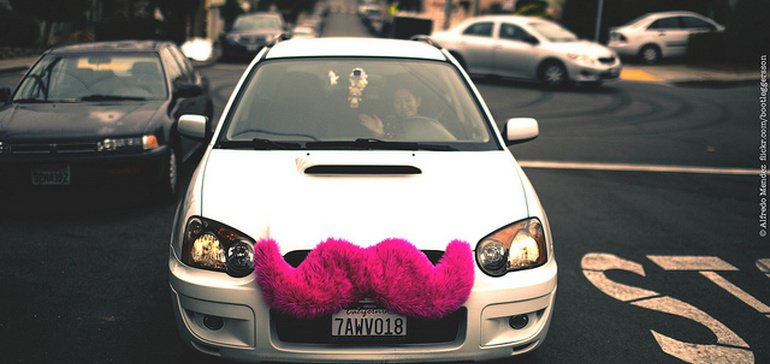
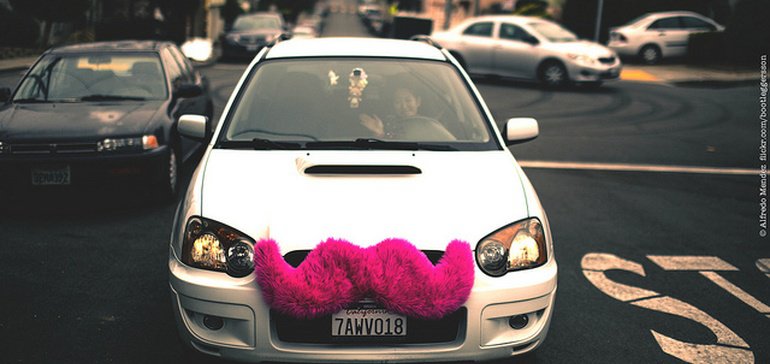
Latinos often face many obstacles that prevent them from obtaining health equity. One of the bigger hurdles they frequently have to overcome is a lack of access to quality healthcare. Lack of transportation equity prevents many Latinos from regularly accessing preventative care. According to the Community Transportation Association of America, about 3.6 million patients miss medical appointments each year because of transportation issues. A new, unique initiative between Blue Cross Blue Shield (BCBS) and an unlikely partner is looking to alleviate some of these concerns. The rides-sharing service Lyft is partnering with the health coverage provider to help cut down on missed healthcare appointments. In order to reduce health disparities, it is critical to address ...
Latinos often face hurdles like language, culture, and cost to get proper healthcare, which contributes to heavier disease burdens and health inequities. Transportation is another big hurdle to healthcare access. In fact, 3.6 million patients miss medial appointments each year due to transportation issues, according to the Community Transportation Association of America. A new partnership between ride-sharing service Lyft and major healthcare insurer Blue Cross Blue Shield (BCBS) are forming an unlikely partnership to solve the issue. BCBS will offer free Lyft services to its members as part of a new service delivery model for select companies to reduce missed appointments for nonemergency care in areas that lack adequate transportation options, HealthCare Dive ...
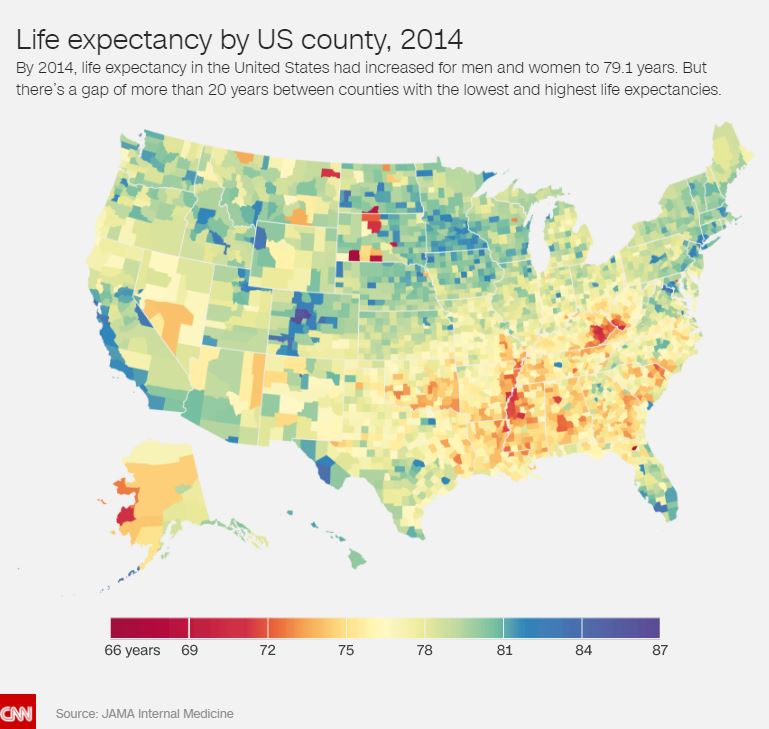
Fact: Where you live greatly impacts how healthy you will be. Lifespans differs by as much as 20 years at birth between the longest- and shortest-rated counties United States, revealing massive health inequities in different parts of the country, especially Latino-centric area, according to a new study, CNN reports. For the study, researchers from the Institute for Health Metrics and Evaluation (IHME) at the University of Washington in Seattle examined county data for life expectancy from 1980-2014. They then applied mathematical models to estimate the average lifespan. Findings showed life expectancy at birth increased by 5.3 years for adults (going from age 73.8 to 79.1) between 1980 and 2014. Over that time, men gained 6.7 years (going from age 70 to 76.7) while women ...
Fact – where you greatly determines how healthy you will be. A recent study by the Institute for Health Metrics and Evaluation at the University of Washington determined that the life expectancy at birth differs by as much as 20 years between the lowest rated and highest rated counties surveyed in the United States. Dr. Christopher J.L. Murray and his team studied the life expectancy of each U.S. county from 1980-2014 analyzing county-level data and applied mathematical models to estimate the average length of lives. According to the findings, life expectancy at birth increased by 5.3 years for both men and women (from 73.8 years to 79.1 years) between 1980 and 2014. Over that time, men gained 6.7 years (going from 70 years on average to 76.7 years) while women gained four ...
May is #HepatitisAwarenessMonth. The number of U.S. Latinos with hepatitis C (2.6%) is higher than the number of overall people with hepatitis C (1.3%). Hepatitis C disease progression has also shown to be faster in Latinos than in Whites. Worldwide, hepatitis C virus (HCV) or hepatitis B virus (HBV) infection is the most common risk factor for liver cancer. Latinos have much higher liver cancer rates than Whites, too. Why is this the case? What prevention can be done? What should Latinos know? Let’s use #SaludTues to tweet-chat on Tuesday, May 16, about liver issues, resources, and solutions for Latinos. WHAT: #SaludTues Tweetchat: “Get the Facts – Latinos, Hepatitis, and Liver Cancer”
TIME/DATE: 1-2 p.m. ET (Noon-1 p.m. CT), Tuesday, May 16, 2017
WHERE: ...
By Jackie Edwards
Contributing Writer Unemployment insurance and government benefits are available to qualifying Latinos who lawfully reside in this country, federal policy states. Many Latino homes could benefit from this aid. In fact, more than 5% of adult Latino workers and 15% of teen Latino workers are unemployed, according to the Bureau of Labor Statistics. But Latino immigrants are much less likely than their white counterparts to receive government benefits.
"Unemployment insurance benefits can provide crucial economic stability during unexpected job loss, provide for basic needs during a job search, and keep families out of poverty," according to the National Employment Law Project (NELP).
Why Latinos Should Care about Federal Aid
A growing share of the U.S. ...
Only about 1 in 10 people don't have health insurance in 2017. That means far more people are covered with health insurance now than in 2013 before the Affordable Care Act, known as Obamacare, went into effect. However, the U.S. House of Representatives today approved a healthcare bill that could leave 24 million fewer people insured by 2026 than under Obamacare, CNN reports. Here's how the bill would work, according to Salon.com. In any case, Latinos will likely still face the biggest uphill climb for healthcare coverage.
The State of Latino Healthcare Coverage
Latinos are among several groups to suffer from lack of health insurance with rates far above the national average, according to U.S. News & World Report. Other groups with less coverage than whites include ...
Latino and black patients were less likely to be offered an implantable cardioverter defibrillator, or ICD, a potentially lifesaving device that shocks the heart when it detects a dangerously irregular heart rhythm, according to a recent study cited by American Heart Association News. The study confirms that long-standing disparities are not going away. Something needs to be done, said Dr. Samir Saba, a cardiac electrophysiologist at the University of Pittsburgh Medical Center, who was not involved in the study, told American Heart Association News. “Very few insights exist into the root causes,” said Saba, who has treated patients with heart failure for nearly two decades. “Here we are in 2017 … and still we are speculating about what could be going on.” The study, ...
Where you live could be impacting your stress levels (and overall health). SmartAsset, a financial company, recently examined the positive and negative factors of the largest 500 U.S. cities to determine the stress levels facing those residents. They rated things like sleep time, commute time, physical activity, and unemployment. Boulder, Colo. (13.9% Latino) ranked as SmartAsset's least-stressed city. The top-10 “most-stressed” cities, sadly, were heavily Latino-populated areas in the Southern U.S.
Why Do Latinos Face Stress?
Unchecked stress can impact your mental and physical health. It can also contribute to high blood pressure, heart disease, obesity and diabetes, which disproportionately impact Latinos. Broward County, Fla. (27% Latino), provides one ...