It is a known fact that one of the most important social determinants of health is where you live. More and more local and state governments are realizing how important environment is to overall health and well-being. For Latinos, where they live is often leads to unavoidable health disparities due to lack of access to healthcare, healthy food choices, and educational opportunities. Recently U.S. News & World Report outlined the best and worst states to live in based on a host of categories that residents value the most. Categories include healthcare, education, infrastructure, crime rates, and economic opportunities.
The Top States
Massachusetts (10.56% Latino population) was rated No. 1. Not surprisingly, as Massachusetts is home to Harvard University, Williams College, ...
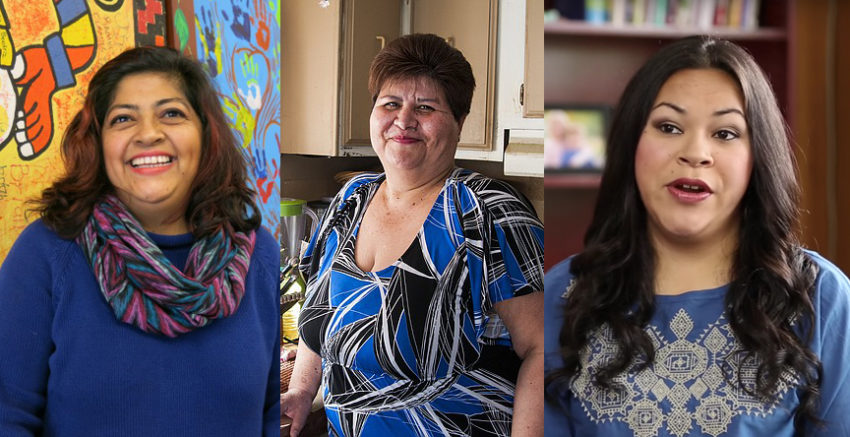
Latinos face many barriers to healthcare, and thus suffer high rates of diabetes, obesity, and cancer. That’s why community health workers are so vital. These workers, often called promotores de salud or educadoras in Latino communities, provide culturally tailored health education, social support, and connections to resources to help Latinos overcome cultural, language, and other barriers to mental and physical healthcare. We are happy to spotlight a few of these amazing Latino community health workers.
Mayola Cruz: Latino Bridge-Builder
Mayola Cruz says she loves to talk. So much so that the Craig, Colo., resident learned English to amplify her voice. Cruz now uses her conversational personality to help give voice to Latinos’ healthcare needs as a member of ...
Latino kids who live in areas with higher levels of air pollution have a heightened risk of developing type 2 diabetes, according to a new study. USC researchers tracked 314 overweight/obese Latino kids ages 8-15 in L.A. County. None had diabetes at study start. But by the time kids turned 18, those who lived in areas with high levels of air pollution had 13% less-than-normal efficiency in their insulin-producing cells, making them more prone to eventually developing diabetes, according to USC news. These children lived in neighborhoods that, according to the U.S. Environmental Protection Agency, had excess nitrogen dioxide and tiny air pollution particles that are generated by automobiles and power plants. “Exposure to heightened air pollution during childhood increases ...
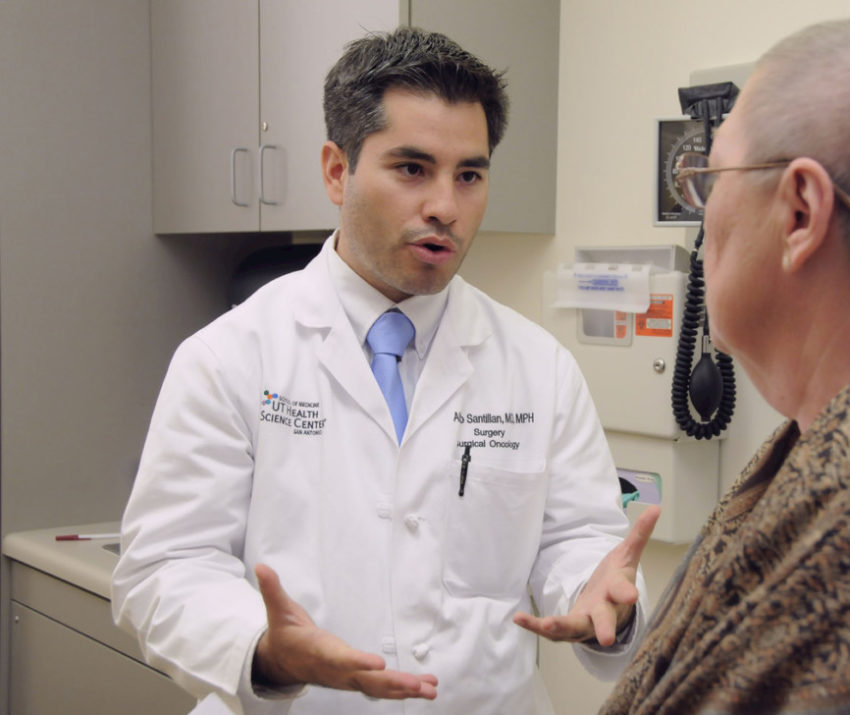
The number of Latino doctors has declined 22% over the past few decades, even as the Latino population has skyrocketed. But Latino heart doctors are even more rare. Only 3.2% of U.S.-trained and practicing cardiologists are Latino, compared to 41.9% white, 14.2% Asian, 2.4% African American, and about 38% unknown or other, according to a report by American Heart News. Among Latinos, most doctors internists or general practitioners. Fewer Latinos go into cardiology than surgery, psychiatry or emergency medicine. "Experts say they wish more medical students in general chose to specialize in cardiology," according to the American Heart News article. "But getting more racially and ethnically diverse cardiologists to treat patients in their respective communities is especially ...
Breast cancer is the No. 1 killer of Latinas in the United States. This is a fact many organizations are working to change. One such group, Living Beyond Breast Cancer, has begun accepting applications for its 2017 Hear My Voice: Metastatic Breast Cancer Outreach Volunteer Program. The Hear My Voice program offers tools and training to help volunteer advocates reach out people living with metastatic breast cancer, hoping to make a positive impact on individuals' lives in both their “physical and digital communities.” To reach out to all women, Living Beyond Breast Cancer is looking to recruit a diverse group of volunteers for the program. They are especially looking for Latino and Latina applicants. This year’s Hear My Voice training will be held April 28-30, 2017, at ...
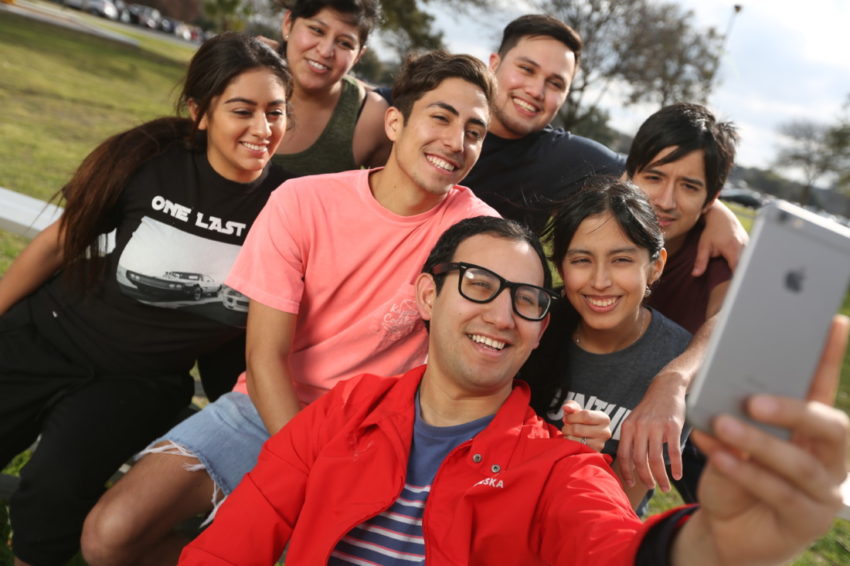
Smoking is a tough opponent to beat. Quitxt is a free texting service in English or Spanish that turns your mobile phone into a personal coach to help you quit smoking, using interactive and entertaining texts, online support, and music and videos from UT Health San Antonio researchers. The service’s bilingual texts help with motivation to quit, setting a quit date, finding things to do instead of smoking, handling stress, and more. Join in English: Text “iquit” to 57682. Join in Spanish: Text “lodejo” to 57682. “Text-message applications have scientifically proven to roughly double one’s odds of quitting smoking, so we developed Quitxt specifically for young adult Latinos to help them quit for good,” said Dr. Amelie G. Ramirez, study leader and director of ...
The national health expenditure, the amount of money Americans spend each year on healthcare, is expected to have grown by nearly 6% in 2016 and it is expected to continue this growth annually through 2025. The Centers for Medicare & Medicaid Services (CMS) published a report entitled “Web First” that projects this growth by using the current framework of the healthcare system. At the projected rate, national health spending will outpace the Gross Domestic Product (GDP) of the United States by 1.2%. The reason for this rise in expenditures is largely due to the faster growth of medical prices. In order to reduce health disparities, it is critical to address inequities in programs, practices, and policies. Join our site, connect with others, and get ...
In the Latino community, promotoras de salud are often invaluable parts of the healthcare process. Often times, they are critical in removing cultural barriers that prevent Latinos from accessing quality healthcare. A project in Sacramento, Calif. (28.08% Latino population), is looking to create even more promotoras in the area. The Sacramento Region Community Foundation recently provided a grant to Empower Yolo’s “Promotoras for Active Living” Project. The mission of Empower Yolo is “to promote safe, healthy and resilient communities.” The promotoras they hire are often past clients or lay members of the community who have been trained to “deliver culturally appropriate health education” to the friends and neighbors. In order to reduce health disparities, it is ...
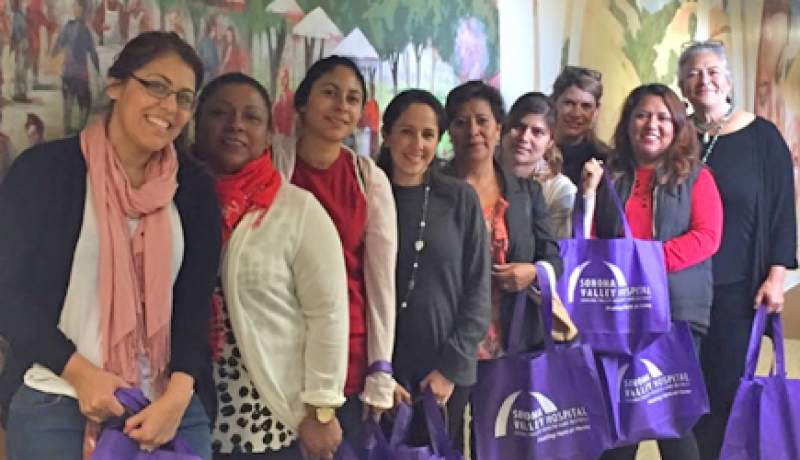
Promotoras have long been acknowledged as important agents of healthy change in Latino communities. Thanks in large part with their relationships in the community and the specialized health education they receive, promotoras are often able to reach Latinos that “traditional” health care workers cannot. In Northern California’s Sonoma Valley, the La Luz Center was founded to provide a variety of social and health services to the area’s burgeoning Latino population. Now, their new initiative will begin organizing and training promotoras to go into the community and promote healthy lifestyles. According to a story in the Sonoma Index-Tribune, the first group includes seven area women who received training from La Luz, the Sonoma Valley Community Health Center, and Sonoma Valley ...