A few years ago, Jaxson Martinez and his family got the worst news imaginable. Jaxson, a five-year-old from Uvalde, Texas, was diagnosed with stage 4 high-risk neuroblastoma. This is a rare cancer, only about 300 cases a year in the U.S. He would need at least a four-week stay at San Antonio’s Methodist Children’s Hospital, and also a year's worth of chemotherapy. "Even though it broke our hearts to know our son has cancer, he seems to have no idea he's even sick," said Juan Martinez, Jaxson's father. Jaxson endured seven rounds of chemotherapy, stem cell transplants, tumor removals, 12 rounds of radiation, and had more than 30 blood transfusions! "And to him, at 2 years old, he thought this was all normal," Juan said. Jaxson's story has a happy ending. He had a ...
A recent study uncovered some alarming facts about cervical cancer. Women are dying at higher rates from cervical cancer than previously thought. Cervical cancer is one of the most preventable cancers. By getting regular Pap tests, doctors can find and treat abnormal cells in the cervix before they become cancerous. Latinas already have the highest rates of cervical cancer among all groups of women. Cervical cancer disproportionately impacts the Latino community at 9.7%, compared to non-Latinos at 7.1%, according to the Centers for Disease Control and Prevention (CDC). The American Cancer Society also notes that in just this year alone, more than 12,820 cases will be diagnosed, and 4,210 women will die from the disease. Even more important, perhaps, is that it is the ...
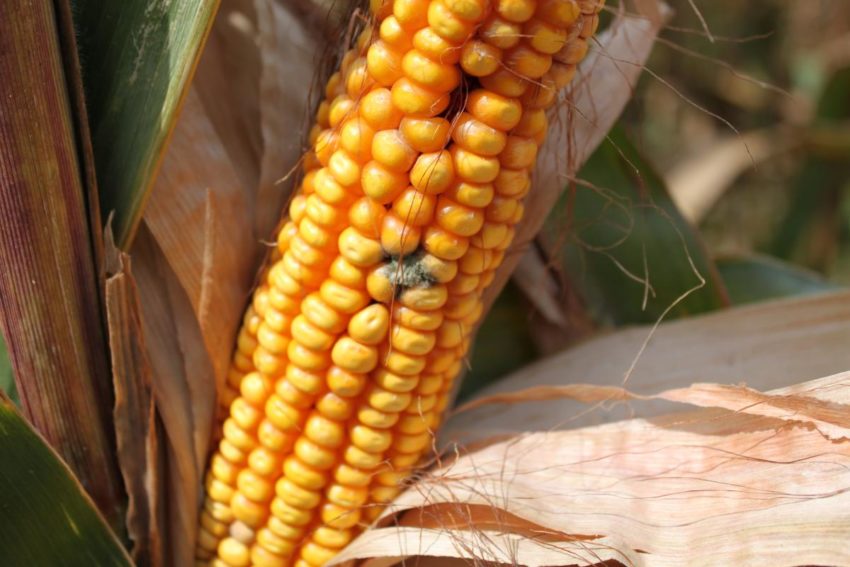
Even as U.S. cancer rates decline, liver cancer rates remain on the rise, especially among Latinos. But why? A new UT Health San Antonio study found that Latinos with liver cancer had much higher levels of aflatoxins than those without liver cancer. Alfatoxins are cancer-causing chemicals produced by mold that can contaminate improperly stored foods. People can ingest aflatoxins in contaminated corn, nuts, rice, sesame seeds, wheat, and some spices. For the study, researchers gauged aflatoxin exposure in 42 liver cancer cases and 42 non-cases from clinics in San Antonio, Texas. Two-thirds of the pairs were Latinos. Liver cancer cases had 6 times higher odds of having detectable levels of aflatoxins in their blood, compared to non-cases. "This study means that Latinos ...
Abril es el Mes Nacional de la Salud de las Minorías. Este es un tiempo dedicado para concientizar a la comunidad hispana acerca de los altos riesgos de adquirir ciertas enfermedades entre nuestra comunidad. Visita el sitio web de la Oficina de Salud de las Minorías de HHS para descargar materiales, encontrar eventos y compartir tu historia. Nunca es demasiado temprano para tomar medidas y nunca demasiado tarde para comenzar el manejo de la atención hacia enfermedades de las cuales los latinos pueden ser más propensos, por ejemplo la diabetes, la obesidad y el cáncer de seno. Si se trata de una joven aprendiendo sobre su riesgo de cáncer de seno y cuando empezar a hacerse estudios preventivos, o si se trata de un adulto mayor que busca opciones de tratamiento para ...
Promotores de salud have long been recognized as being able to break down barriers that keep many Latinos from obtaining quality, accessible health care. Often members of the community in which they do outreach, promotores are able to foster trust with the Latino population they serve. In San Luis Obispo, Calif. (16.36% Latino population), the Promotores Collaborative looks to have moved the area’s Latino community onto the “fast track” of being able to access the city’s health resources. The group is an emerging prevention and health education organization that works in the community through neighbor-to-neighbor outreach. Created by the nonprofit Center for Family Strengthening, the Promotores Collaborative recruits, organizes, and trains networks of Spanish-speaking ...
While colorectal cancer rates have gone down among older adults, they are spiking among Millennials and Generation Xers, recent studies disturbingly have found. Compared to people born in 1950, people born in 1990 have double the risk of colon cancer and four times the risk of rectal cancer, according to American Cancer Society researchers who analyzed data from more than 490,000 colorectal cancer cases in adults from 1974 to 2013. For Latinos, this is especially troubling information. Colon cancer is already the second-leading cause of cancer deaths among Latino men and the third-leading cause of cancer deaths among Latinas. “It’s extremely rare for an incidence of a disease to increase this much,” said Dr. Andrea Cercek, a gastrointestinal oncologist at Memorial Sloan ...
Did you know fewer than 5% percent of Latinos participate in federal clinical trials? Researchers thus have less chance to develop new cancer treatments for this population, which suffers a heavy burden of certain cancers, obesity, and mental health issues. Let’s use #SaludTues on Tuesday, April 4, 2017, to tweet in English and Spanish about the latest strategies to get more Latino into clinical trials for National Minority Health Month in April 2017 and National Public Health Week April 3-9, 2017: WHAT: #SaludTues Bilingual Tweetchat: “Clinical Trials and Latinos”
TIME/DATE: 1-2 p.m. ET (Noon-1 p.m. CT), Tuesday, April 4, 2017
WHERE: On Twitter with hashtag #SaludTues
HOST: @SaludToday
CO-HOSTS: FDA Office of Minority Health (@FDAOMH), FDA En Español ...
The San Antonio Mayor’s Fitness Council (MFC) Student Ambassador Program is looking for the next group of kids to make their school or community healthier. Not only does San Antonio face high rates of obesity, diabetes, and heart disease, but residents face disparities in chronic disease by income, education, and racial and ethnic groups. For example 15% of Latino have diabetes compared to 12% of Non-Latino whites, and 24% of people with an annual income below $25,000 have diabetes compared to 8% of those with an annual income greater than $50,000. It is critical for projects, programs, and policies in San Antonio to address structural and systemic inequity that leads to these disparities. "Now in its fifth year, the Mayor’s Fitness Council trains student ambassadors to ...
Where you live has an incredible amount to do with how healthy and happy you are. Research shows Latinos and low-income families lack access to healthy food options, active spaces, and healthy school environments—which impact an area’s culture of health. So how healthy and happy are heavily Latino states? Gallup recently surveyed 177,000 Americans and ranked every state in terms of its citizens’ “personal contentment” or happiness. Rankings were based on financial stability, physical health, and community involvement. New Mexico, California, Texas, and Arizona—the four most heavily Latino U.S. states—ranked well, at No. 20, 13, 10, and 7, respectively, in terms of happiest, healthiest residents. Hawaii (9.9% Latino) ranked No. 1. Hawaii reported low obesity ...