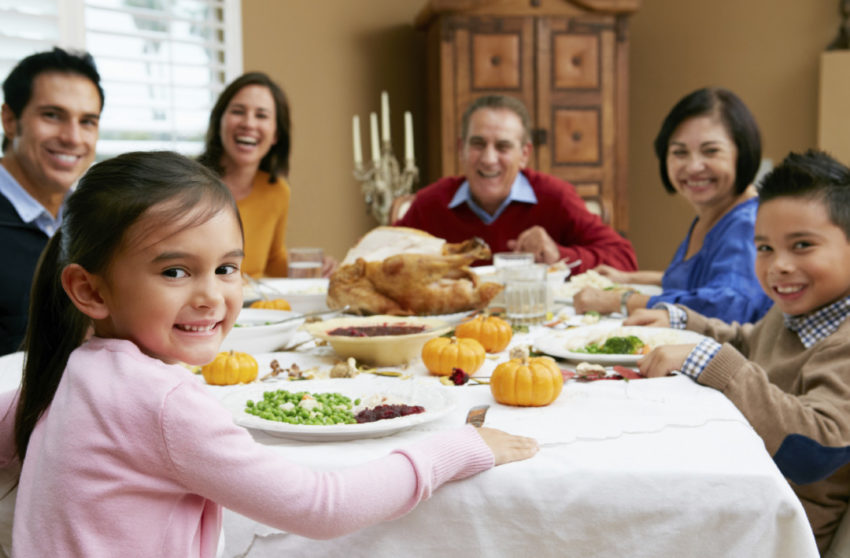
40% of Latino kids are overweight or obese, comparted to 32% of all U.S. children. Adult obesity rates reached 35% in at least 7 states and saw increases in 31 states across the U.S. from 2012-2017, while no significant drops in obesity rates were seen in any state, over the last year. Let’s use #SaludTues on Dec. 4, 2018, to tweet information, resources, and tips that will help us all prevent or help the health dangers of stress, unhealthy eating and limited physical activity during the best time of the year. WHAT: #SaludTues Tweetchat: “Healthy Holidays - How To”
TIME / DATE: 1-2 p.m. ET (Noon-1 p.m. CT), Tuesday, 12/4/18
WHERE: On Twitter with hashtag #SaludTues
HOST: @SaludAmerica
CO-HOSTS: Chap Care (@ChapCareOrg), American Heart Association San Antonio ...
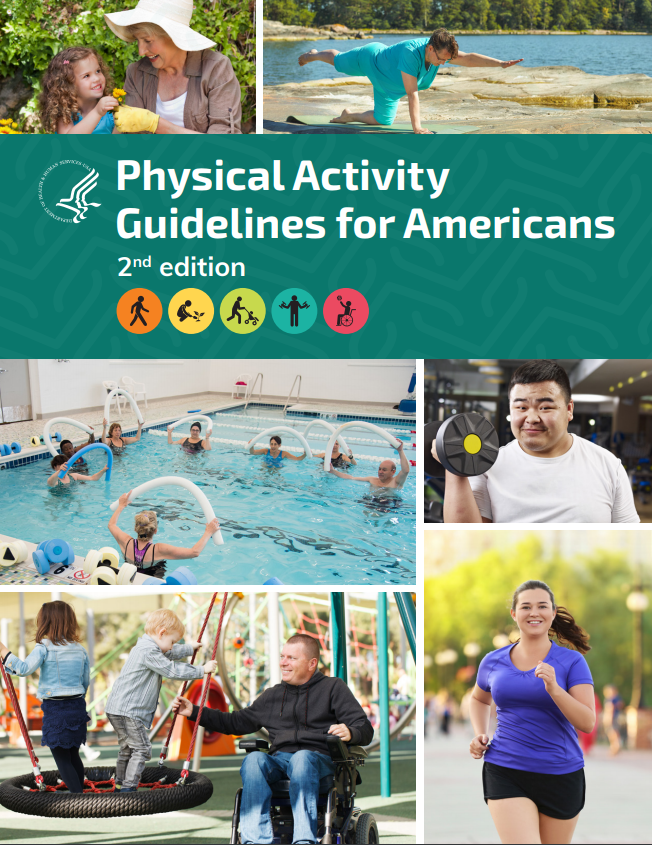
On November 12, 2018, the second edition of the Physical Activity Guidelines for Americans was released by the U.S. Department of Health and Human Services Office of Disease Prevention and Health Promotion. Lack of physical activity is linked to approximately $117 billion in annual health care costs and about 10% of premature mortality, according to the report. Since 2008, the Physical Activity Guidelines for Americans have served as the primary voice of the federal government for evidence-based guidance and recommendations for health professionals and policymakers on how everyone can improve their health through regular physical activity. The new Guidelines are an important part of a complex and integrated solution to promote health and to reduce the burden of chronic disease ...
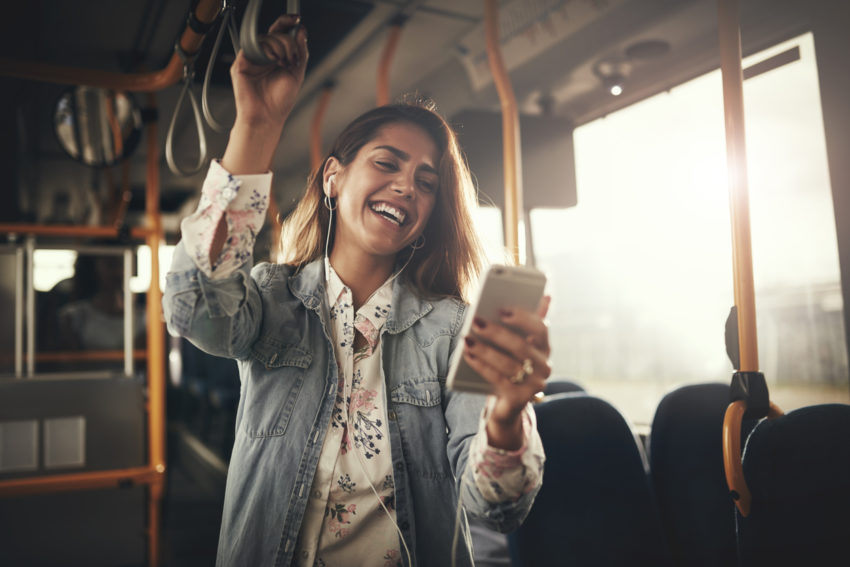
During the 2018 midterm election cycle, U.S. voters passed 17 of 20 public transportation ballot measures—two remain undecided. Over the past two decades, Americans have voted in favor of public transportation more than 70% of the time, according to Josh Cohen, campaign director at the Center for Transportation Excellence. Earlier in 2018 during the primary elections, voters passed 13 of 16 measures supporting public transit; during the 2017 general election, voters passed seven of eight measures; and during the 2016 general election, voters passed 33 of the 49 measures. Elected leaders at the local and state level are getting the hint and increasingly addressing public transit issues while campaigning. “These candidates know that public transportation is an issue that ...
Walking and other physical activities are vital for health, regardless of weight. However, physical activity levels among Latinos are low, particularly among women. Since 2008, the Physical Activity Guidelines for Americans have served as the primary voice of the federal government for evidence-based guidance and recommendations for health professionals, schools, and policymakers on how everyone can improve their health through regular physical activity. In 2016, the process to develop the second edition of the guidelines began. Salud America! followers also spoke up and shared their comments. On Nov. 12, 2018, the 2nd Edition of the Physical Activity Guidelines for Americans, will be released. UPDATE: Check out the recap on Wakelet. Join #SaludTues on November 13, ...
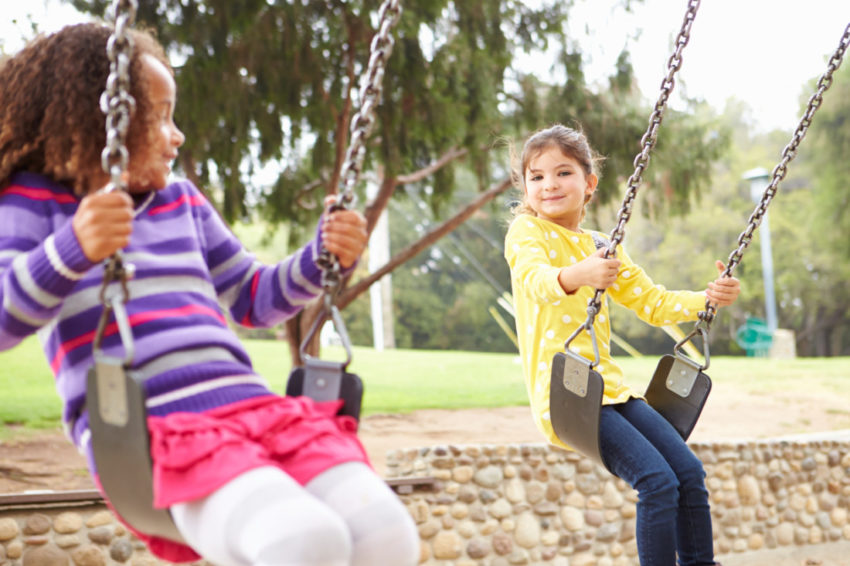
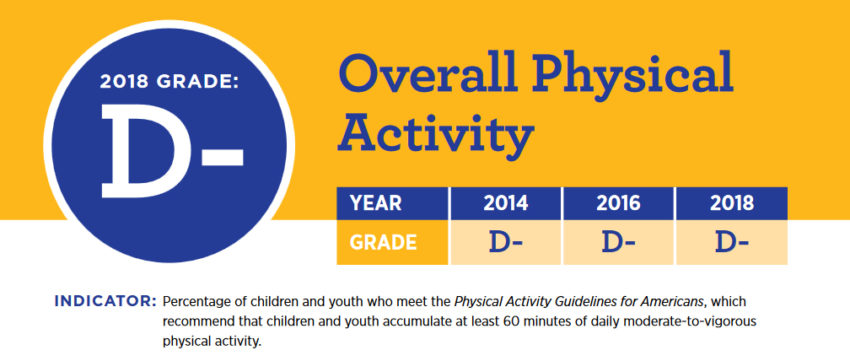
The United States earned a D- in overall physical activity, with only about 24% of kids ages 6-17 getting the recommended 60 minutes of physical activity every day and racial/ethnic disparities persisting, according to the new 2018 U.S. Report Card on Physical Activity for Children and Youth. The 2018 Report Card is from the National Physical Activity Plan. It grades how well U.S. is doing these categories: overall physical activity, sedentary behaviors, active transportation, organized sport participation, active play, health-related fitness, family and peers, schools, and community and the built environment. The grades for each category, while poor, have improved some since 2016. Grades improved for sedentary behavior, active transportation, organized sports, and physical ...
Does your city want to embrace the winter, rather than merely endure it? Apply for Wintermission! Wintermission will coach three U.S. cities to plan, pilot, and implement creative solutions to increase social interaction and physical activity among children, newcomer families, and other vulnerable communities in public spaces during the coldest, darkest months of the year. Applications, offered by nonprofit 8 80 Cities, are due Nov. 29, 2018. “Building a culture of public life outside in winter also helps build a culture of public life in all seasons,” according to the 8 80 Cities website.
Improving Social and Physical Activity in Winter
Fewer people spend time outdoors in the winter, which contributes to lower rates of physical activity and social ...
Most Americans underestimate just how concerned Latinos and other minority groups are about environmental threats, including members of those groups, according to a new study by Cornell University. Researchers surveyed 1,200 Americans about their levels of concern for the environment. They found widespread underestimation of the environmental concerns of a broad range of racial/ethnic and sociodemographic groups. This underestimation was largest for judgments of minorities’ and low-income Americans’ concerns—groups that indicate high levels of environmental concern in public opinion surveys. Also, most people associate the term "environmentalist" with whites and the well-educated. "We found a very consistent pattern that if the American public thought a group was very ...
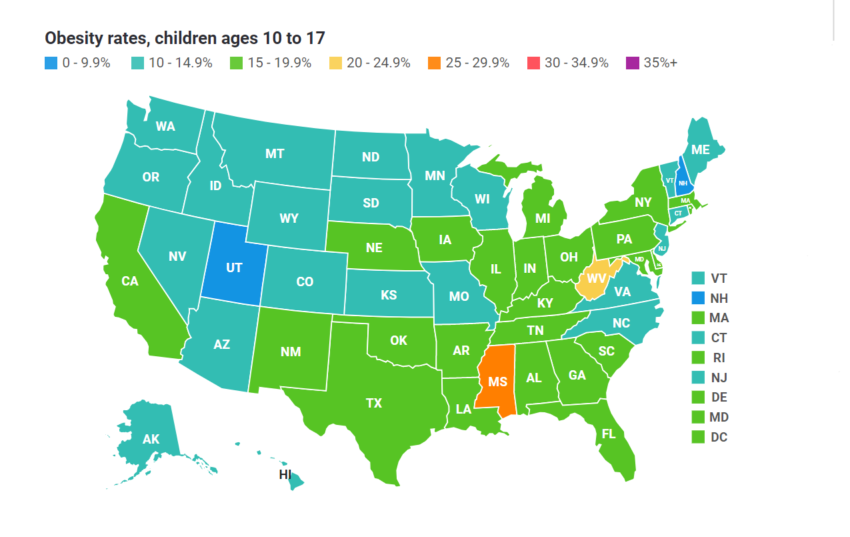
Nationwide, 20.6% of Latino youth and 22.5% of Black youth have obesity compared to 12.5% of white youth, according to a new data report from the Robert Wood Johnson Foundation (RWJF). The new data feature obesity rates among youth ages 10-17 nationally and from each state from the 2016 and 2017 National Survey of Children’s Health (NSCH), along with analysis conducted by the Health Resources and Services Administration’s Maternal and Child Health Bureau. Five states have Latino youth obesity rates over 30%. No states have White youth obesity rates over that mark. “Far too many young people in this country are facing increased chances of diabetes, heart disease, and high blood pressure, all due to a preventable condition … black and Latino youth are still more likely ...
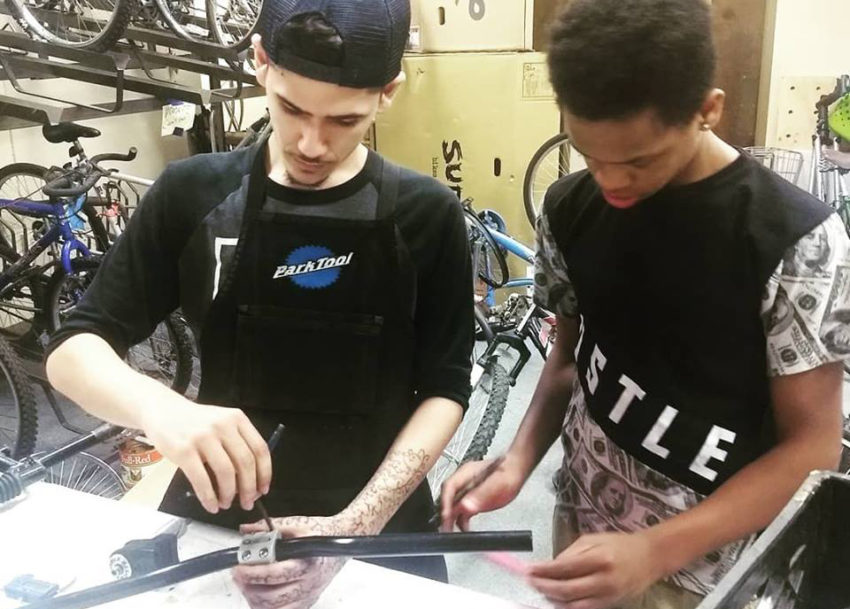
Bicycling shops went extinct in Hartford, Conn. (43% Latino), a few years ago. That’s why, in 2015, the Center for Latino Progress teamed with Hartford Public Schools and Capital Workforce Partners to open BiCi Co.—short for Bicicleta y Comunidad—a community bike shop cooperative run by students. The shop soon became more than a place to get a bike. It transformed into a hub for community connection, civic engagement, and better health, according to Mobility Lab.
How Did They Stimulate Community Connection?
Many people don’t feel an emotional connection to or a sense of membership in their community. Those people are less inclined to take action to improve their own health, according to a 2015 Robert Wood Johnson Foundation survey. Community connection can spur ...