Need to figure out what to do in your school to have safe and clean water access and encourage everyone to drink more water? Watch the video webinar to learn more about how the Wisconsin (58% overweight or obese) created the Wisconsin Oral Health Coalition that has helped with initiatives to increase water consumption, reduce tooth decay and ensure students have access to safe and appealing water resources in schools. Through watching the webinar viewers will: Have a basic understanding of the need to decrease consumption of sugary drinks to increase oral health and reduce tooth decay or cavities
Know about recent research of how low-cost water initiatives bring benefits in the help to fight childhood obesity & tooth decay
Have tools and a guideline to help advocate ...
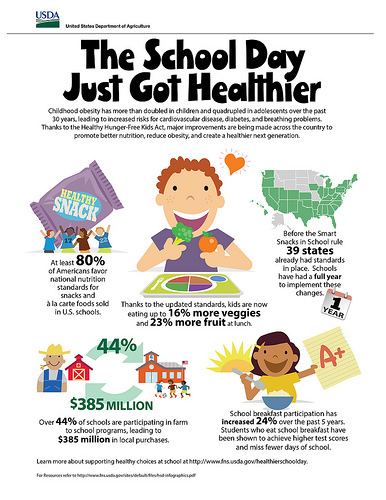
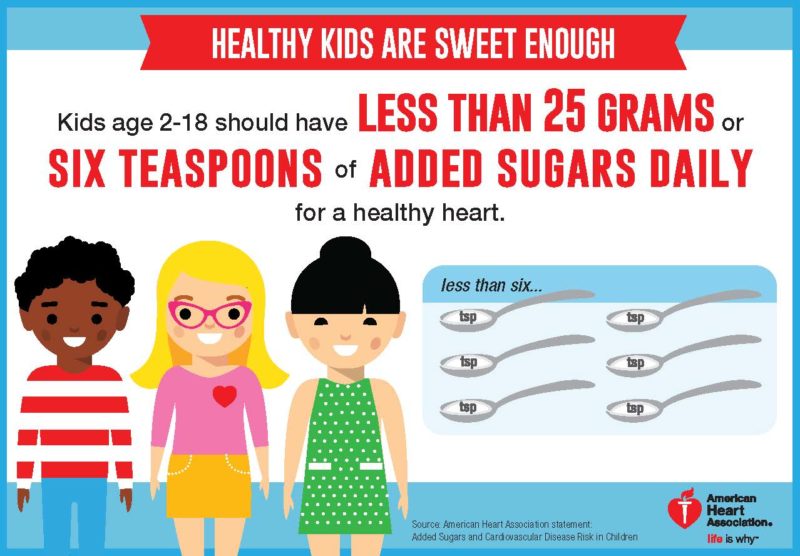
The new U.S. Department of Agriculture (USDA) guidelines for Smart Snack in Schools is working to help students have healthier snacks in schools, encouraging schools to stop selling foods high in unnecessary sugars, salts and fats like candy bars, sodas, and fried foods. In fact, new recommendations from the American Heart Association reveal that children and teens should consume less than 6 teaspoons of sugar a day. Are Smart Snacks in your school? Each snack offered must meet guidelines set by the USDA, including but not limited to sugar, salt, fat and calorie limits. Beverages are limited in schools as well, no soda is allowed to be sold and only 100% fruit or vegetable juice is allowed, although some juices still contain high amounts of natural sugars. Find out more ...
Fresh fruits and plenty of vegetable options will now be offered in Duncan Public Schools in Stephens County, Oklahoma (7.3% Latino) starting this school year, according to a local article. The school is planning to continue following federal requirements on the menus but also plans to join a co-op of other school districts that will help the school save money and have greater purchasing power for healthier choices. Children eat almost half of their daily calories at school, so it is important to offer healthier options like fruits, vegetables, and whole grains.
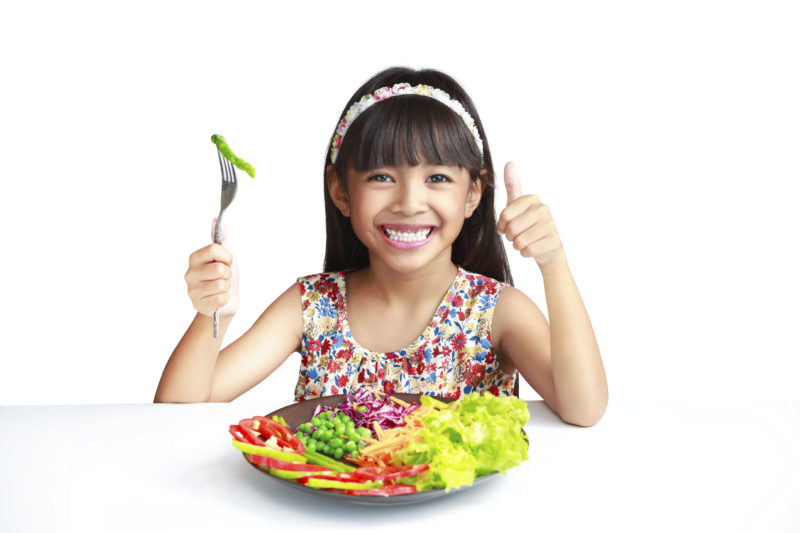
The school will allow children to not only have a fresh salad bar daily but also offer students two to three choices of vegetables and fresh fruits.
Researchers from the Center for Disease Control and Prevention have ...
Soda, sweet tea, energy drinks, sports drinks, all have something in common in Berkely, they are sugar-filled and taxed. The city's 1-cent-per-ounce excise tax, which began collecting taxes in March 2015, has now been shown to benefit public health efforts that helped support the tax. A new study, released Tuesday, 2016 in the American Journal of Public Health, reveals how over 2,679 people in low-income neighborhoods across San Francisco, Oakland and Berkeley, CA are increasing water consumption and decreasing soda consumption. Not only are people drinking more water, but millions of funds from the excise tax will now help schools with gardens and work to build more community nutrition and health efforts. Whether it's the soda tax or the awareness of the dangers of sugary drinks ...
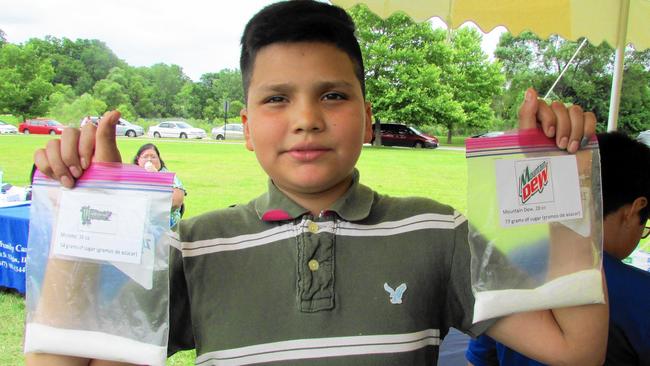
Sugar consumption is a huge factor in the nation's struggle with obesity, as many kids eat soda, snack foods and other foods with hidden added sugars on a daily basis. In fact, 74 % of Latinos have had a sugary drink by age 2 and about 22% of Latino high-school students have 3 or more sugary drinks a day. An average 20 oz soda contains around 16 teaspoons of sugar, that's almost triple the amount of sugar that is recommended! The American Heart Association (AHA) has now released new guidelines based on a scientific statement giving specific recommendations concerning children's intake of added sugars. The new guidelines offer helpful tips in understanding how much is too much when it comes to added sugars in foods and beverages. The AHA recommends: Children 2-18 consume ...
Latino parents have increased the amount of 100 percent fruit juice that they allow their children to consume, according to a recent study by the University of California at San Francisco. The American Academy of Pediatrics (AAP) states that 100% fruit juice can provide the body with essential vitamins and minerals, but this should not be confused with fruit drinks that are often made with unhealthy amounts of added sugars and flavoring syrups. Additionally, if a child consumes more juice than recommended they could experience weight gain, cavities and tooth decay, and be at risk of type II diabetes. Infants and toddlers that get more than the recommended amounts of juice have additional risks of experiencing diaper rash and diarrhea. Fruit juice should not be used when ...
The Advocate Sherman Hospital in the city of Elgin, Ill. (43.6% Latino) is the only hospital in the area that is offering the community healthier options, and now they are also taking a step forward to educate the community about the health risks of drinking sugary beverages. Since 2015, Advocate Sherman Hospital joined all hospitals in the Advocate Health Care system to offer healthier drinks in their hospitals giving patients, visitors and employees more low-sugar or no-sugar options. As part of the efforts to reduce consumption of sugary beverages like soda, energy drinks, and sports drinks, community outreach efforts to educate the public on the amount of sugar in beverages have also taken effect. People like Luis Villalobos, a nursing assistant with Advocate Sherman Hospital ...
According to a local news article, Boulder, Colo. two new council-initiated proposals may become a part of three different proposals set for voters to decide on in November's ballot. Back in July, advocates for the soda tax were supported with over the amount of signatures required for the tax to be put on November's ballot. However, language was debated as to how the tax would be implemented without having a taxpayer bill of rights provision, required to allow the city to raise local government tax. After working with local City Attorney Tom Carr, a single ballot title was created with implementation guidelines of the tax and legally defensible language to help defend against naysayers of the tax. The council has recommended placing the tax proposal on the November ...
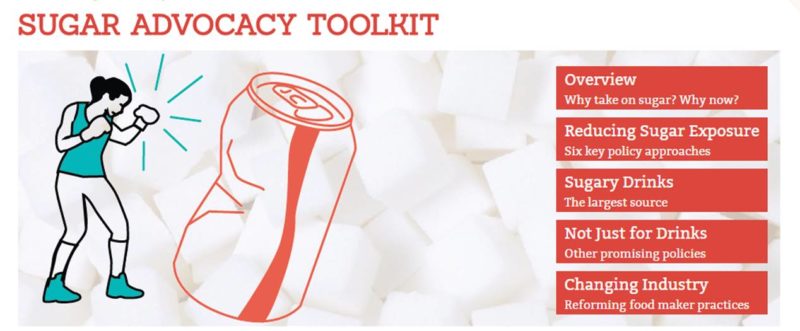
A new released Toolkit on Sugary Advocacy from Healthy Food America helps explain the need to reduce sugar in our diets, why it's important to know amounts of sugar in foods and drinks and the latest on sugar reduction policies. According to the research from Healthy Food America, 68% of packaged foods include some type of sugar. Studies from Harvard T.H. Chan School of public health also reveal that regular consumers of sweet beverages like soda, sweet teas, not 100% juices had a 26% higher risk of type 2 diabetes. Latino kids, unfortunately, are already more likely to grow up with unhealthy weights and be more likely to develop type 2 diabetes, as they consume higher amounts of juices, and other sweetened drinks, studies show. For parents, teachers, health advocates and ...