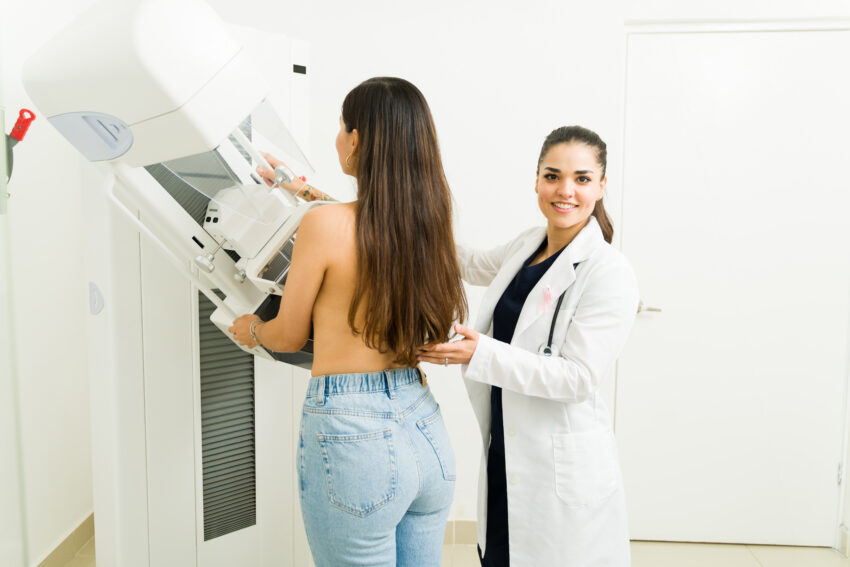
Every year, 240,000 women are diagnosed with breast cancer in the US, according to the Centers for Disease Control and Prevention (CDC). That’s why healthcare providers recommend women ages 50 to 74 get a mammogram – an X-ray of the breast that can help screen and diagnose cancer – every two years. However, only about 3 in 4 women in that age group has had a mammogram in the past two years, as of 2022, according to a new study by the CDC. For women who experience health-related social needs, even fewer haven’t gotten one. This is alarming because, while mammograms can reduce the number of breast cancer deaths by 22%, this cancer is the top cause of death among Latinas. Let’s explore the non-medical drivers of health that are creating challenges to ...
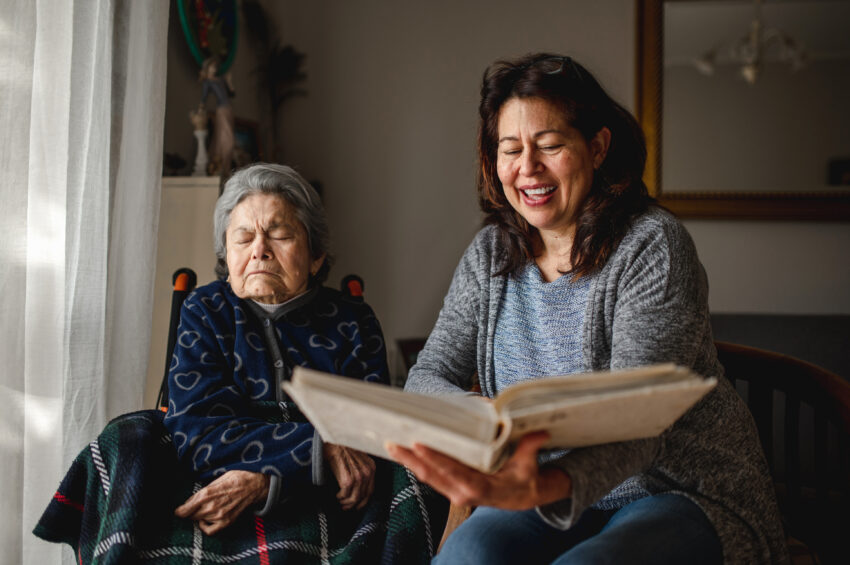
Alzheimer’s disease is a condition that impairs brain function and, over time, can cause memory, cognitive, and behavioral issues and eventually lead to death.
The condition greatly impacts the health of the aging — especially Latinos.
14% of the American Latino population older than 65 are living with Alzheimer’s.
Alzheimer’s is projected to increase in older Latinos by 175% between 2018 and 2040, according to a new report, 2024 Alzheimer’s Disease Facts and Figures, from the Alzheimer’s Association.
Let’s explore the data from the report. Alzheimer’s in America
Nearly 7 million older Americans are living with Alzheimer’s disease as of 2024.
That’s about the same as one out of every nine older Americans, according to the new report from the Alzheimer’s ...
The last thing a person wants to hear from their doctor is “You have cancer.” Unfortunately, that’s the reality for the thousands of Americans, including many Latinos, diagnosed with cancer each year. After a diagnosis, people dealing with cancer discuss treatment options with their medical care team, which may include participation in clinical trials. Clinical trials are studies with volunteers that test ways to find, prevent, and treat cancer and other diseases. They may also help improve the quality of life for volunteers affected by cancer or reduce the side effects of treatment. Despite the benefits of participating in clinical trials, only about one out of every five (21.9%) people with cancer enroll in clinical research, according to a new study in the ...
Researchers at Texas Tech University are interested in learning more about you and your family caregiver's experience with cancer. The research team is seeking participation from people who are 18 or older, speak English, identify as Latino or non-Hispanic White, and have been diagnosed with any form of cancer at any stage. Caregivers who want to participate must be 18 years or older, speak English, and identify as Latino or non-Hispanic White. If you or your loved one meets these qualifications, you may be eligible to take part in this study, which consists of three different surveys. These surveys will be spaced out and take 30 to 45 minutes to complete, and can be done online, by mail, or over the phone with the help of a research assistant. The first will be given ...
After decades of being overlooked, a spike of positive representation of populations, such as Latinos, has swept into Hollywood and mainstream media.
Latino pioneers like José Ferrer, Edward James Olmos, and Rita Moreno overcame adversity to play defining roles in an industry dominated by White actors, paving the way for future Latino actors and Latino-led projects to break from the mold.
This success has led to a new wave of notable Latino standouts and projects.
America Ferrera, a U.S.-born Latina of Honduran heritage, nabbed an Oscar nomination for Best Supporting Actress in Barbie (2023). Pedro Pascal, born in Chile, delighted audiences in the titular role of The Mandalorian before taking the lead in HBO’s TV adaptation of video game series The Last of Us.
Films such as ...
An estimated 17.5 million Latino voters will cast ballots in the 2024 Election in November, a record high, according to a report from the NALEO Educational Fund. This is a 6.5% increase in Latino voter turnout from Election 2020. “With more than one of every 10 voters in 2024 expected to be Latino, our community is poised to play a decisive role in the presidential election and others throughout the nation,” said NALEO Educational Fund CEO Arturo Vargas in a press release. Let’s dive into the numbers and explore how this impacts Latino voters!
Latino Voter Projections
Overall, 11.1% of all voters are projected to be Latino in Election 2024. While the national Latino vote is projected to increase 6.5% from 2020 turnout numbers, the national ...
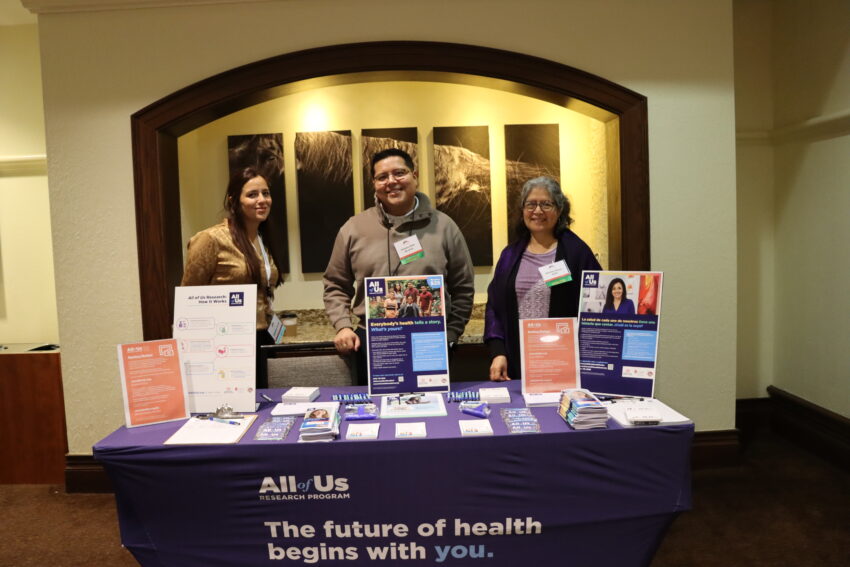
For the last few years, the National Institutes of Health’s All of Us Research Program has mounted an unprecedented effort to collect health data from 1 million people of all ages and ethnicities across the country for use in impactful scientific research.
In fact, the data has led researchers to a shocking discovery — 275 million previously unknown genetic variants, according to a recent news release.
Nearly 4 million of the variants are in areas that may be connected to risk for disease.
The variants, uncovered using data shared by nearly 250,000 All of Us participants, put researchers in a position to better understand genetic influences on health and disease, especially in communities often left out of research.
NIH reported that half the genomic data came from Latino, ...
The All of Us Research Program is peeling back the curtain on its ground-breaking health data collection by hosting its annual All of Us Research Convention.
On Wednesday, April 3, 2024, and Thursday, April 4, 2024, the free virtual conference will give attendees insight into how All of Us data is being used to fuel integral research that reflects the diverse country we live in.
All of Us, created by the National Institutes of Health, is a historic effort to collect and study data from at least one million people living in the United States.
“The goal of All of Us is to speed up health research discoveries, enabling new kinds of individualized health care, with a strong emphasis on diversity,” said Dr. Amelie G. Ramirez, director of Salud America! at UT Health San Antonio, an All ...
The Healthy Americas Foundation (HAF) is giving a few scholars funding to research chronic diseases in Latino communities with help from the All of Us Research Program.
The new funding builds on HAF’s effort to improve Latino health by supporting researchers.
In 2022-2023, Healthy Americas Research Consortium awarded $10,000 each to 10 scholars to help understand cervical cancer screening issues, experiences with accessing screening, and ways to increase Pap and HPV screening in Latino and other underserved communities.
Projects utilized data from the National Institutes of Health’s (NIH) All of Us Research Hub.
NIH’s All of Us Research Program is a national campaign to collect and study data from 1 million or more Americans to help inform studies and accelerate research that ...