As the leading cause of cancer-related deaths in the US, colorectal cancer is affecting more Americans now than ever before. While scientists are working to find out why these rates are increasing, the numbers continue to grow, especially in people younger than 50. Here are 9 bilingual resources for colorectal cancer patients, survivors, caregivers, and their families.
1. Colorectal Cancer Support Services
Cancer is a very costly disease in more ways than one. Not only does it create a physical and emotional burden, but also a financial one. Several organizations are working to ease the financial burden of colorectal cancer treatment, including the Colorectal Cancer Alliance. Colorectal Cancer Alliance connects patients and caregivers to financial ...
It’s often said that a cancer diagnosis doesn’t just affect the person that has cancer, it affects the entire family. That’s especially true in today’s landscape when cancer is starting to affect younger people in their 30s, 40s, and early 50s. The people being diagnosed with cancer today often have young children. In a lifetime, one in 20 kids will experience a parent’s cancer diagnosis before they graduate high school, according to the Pickles Group. These young children often struggle to comprehend cancer and how it might change a family dynamic. Not only do lifestyles change, so do increasing thoughts of mortality and the fear of losing a parent to the disease. The experience of having a parent with cancer can be extremely difficult ...
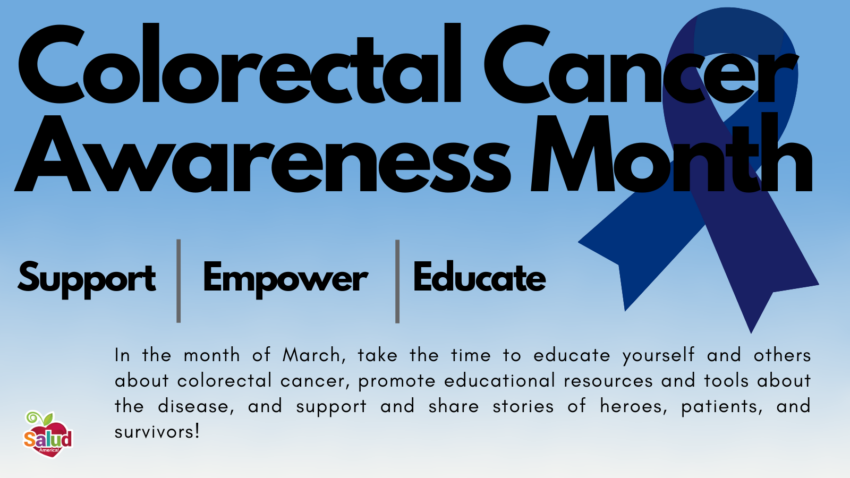
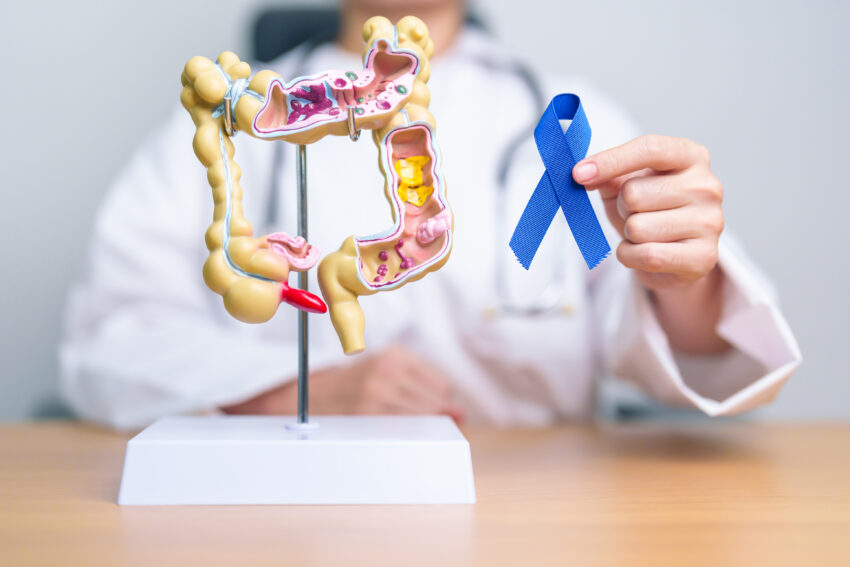
March is Colorectal Cancer Awareness Month. There are roughly 147,000 new colorectal cancer cases in the US each year as of 2022, according to data from the Centers for Disease Control and Prevention (CDC). What’s more, colorectal cancer was linked to 53,779 deaths in the US in 2023. These statistics make colorectal cancer the fourth-most common type of cancer and the fourth-largest cause of cancer-related deaths across all age groups, according to the CDC. Many of these cases and deaths are in individuals from overlooked populations, including Latinos, which were brought on by non-medical drivers of health, such as lack of access to quality cancer care and limitedaccess to screening. In honor of Colorectal Cancer Awareness Month, we are diving into the 8 ...
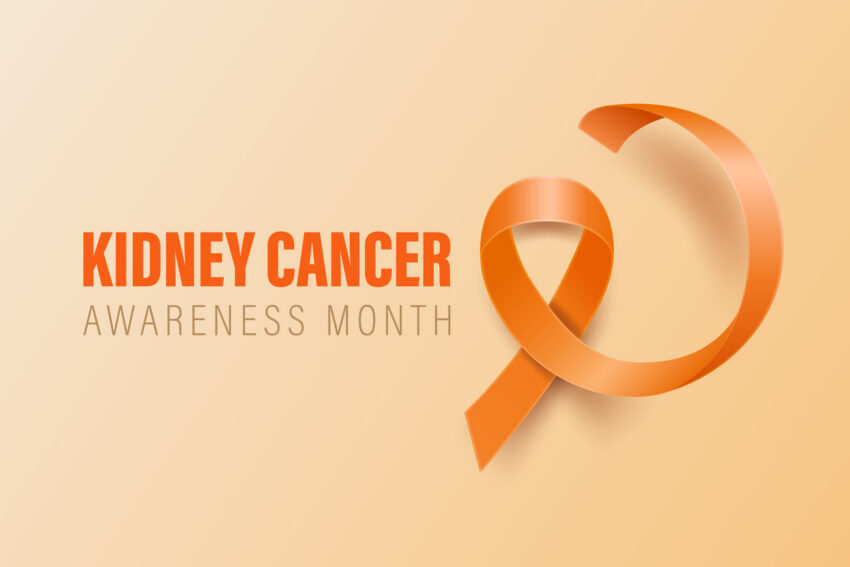
About 80,450 new cases of kidney cancer will be diagnosed in U.S. men and women in 2026, according to the American Cancer Society. The month of March is recognized as Kidney Cancer Awareness Month, a time to raise awareness, educate, and promote helpful tools to help people learn more about kidney cancer. With this in mind, let’s look at four free, easy-to-use resources to use and share during Kidney Cancer Awareness Month.
What is Kidney Cancer?
Kidney cancer is a disease where cells in the kidney grow out of control, according to the CDC. The main types of kidney cancer include renal cell cancer (RCC), transitional cell cancer (TCC), and Wilms tumor. “RCC is the most common type of kidney cancer in adults. It forms in the lining of the tiny tubes in the kidney that ...
Did you know that as you get older your immune system weakens? This can increase your risk of illness resulting in hospitalization and diseases like cancer. That’s why it’s important to stay up to date on your vaccinations once you hit a certain age. For instance, at age of 50 it’s recommended you get a pneumococcal vaccine to protect you against serious infections leading to worse health outcomes and even death. To spread the word about the importance of getting the pneumococcal vaccine, Salud America! is partnering with CVEEP. CVEEP is a leading vaccine education platform that seeks to improve vaccine accessibility and spread vaccine awareness with helpful resources, including a vaccination site locator tool. Let’s go over the vaccine and how it ...
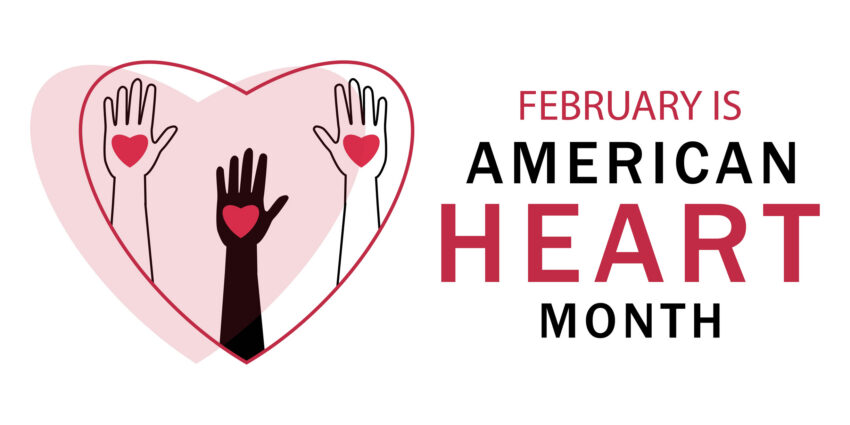
During a month that celebrates love, we also prioritize hearts for American Heart Month! This is a time to bring awareness to cardiovascular disease, promote educational resources, and learn more about prevention and heart health. Let’s explore some helpful bilingual resources and tools you can learn from and share with others during American Heart Month.
1. The American Heart Association
The American Heart Association (AHA) highlights that more than 23,000 children experience cardiac arrest outside of the hospital each year. With this in mind, it’s important to be trained in CPR. “By giving someone CPR you can double or even triple their chances of survival. Be ready when it matters most. Learn CPR and become part of the Nation of Lifesavers,” the AHA ...
Turning 40 is a big milestone for many women in their career, lifestyle, and familia.
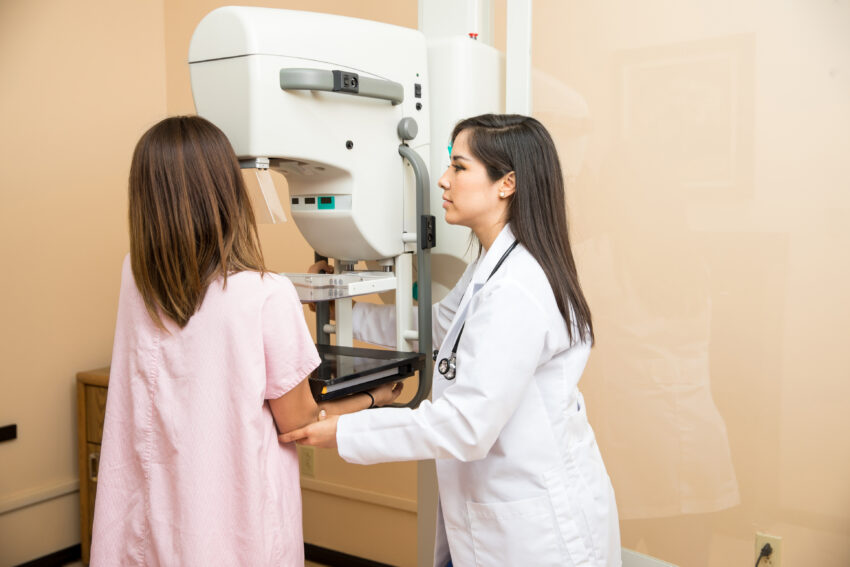
It’s also a big year for health – like scheduling your first mammogram.
An annual mammogram, starting at age 40, is important because it can tell you a lot about your breast health, including if you have dense breasts.
Women with dense breasts, including Latinas, have a higher risk for breast cancer and may require more screenings.
What do you need to know about breast density?
Check out our new guide, The Breast Density Road Map, to help you navigate breast density and what it means for your breast health.
The guide was created by Dr. Amelie G. Ramirez of UT Health San Antonio with expertise from Dr. Jessica Treviño Jones, a breast medical oncologist at Mays Cancer Center at UT Health San ...
A little over 40% of US adults are impacted by obesity, including many Latinos, putting them at higher risk for diabetes, heart issues, and cancer. But when people with obesity try to get help, negative stigma can curb progress. Often, they hear advice from healthcare providers like; “Eat healthier” or “Work out.” While these are key parts of a healthy life, other factors and underlying conditions are involved. When a healthcare provider is quick to dismiss a patient with this advice, it can make the patient feel like they are to blame and may even make matters worse. That’s why the Endocrine Society is launching interactive listening sessions to enable patients and people who have experience with obesity to help shape best practices and clinical ...
Alzheimer’s and related dementias continue to hurt an aging population, including many older Latinos. One way to address this is to gather the brightest minds to collaborate on important brain health issues affecting older adults. That’s one of the primary goals of the National Institute on Aging (NIA) Research Centers Collaborative Network (RCCN). The RCCN is looking to bring researchers together from the 7 NIA center programs to work on these issues through a series of workshops. The next workshop in the series, “Multidisciplinary Research in Aging/Team Science,” is set for May 20-21, 2026, in Bethesda, Maryland. Travel awards are available for 10 early-career investigators with applications due Feb. 27, 2026. “These workshops will feature the ...