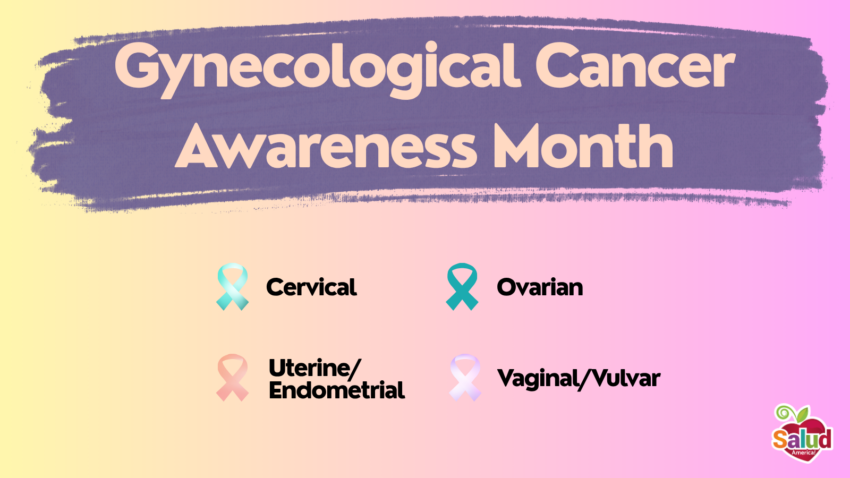
The human reproductive system is an intricate network of structures, tubes, and organs that are responsible for giving life. But sometimes, it can also be a source of pain, discomfort, and disease. This includes gynecological and reproductive cancers, such as cervical cancer. Due to background-based stigmas, incorrect information, lack of access to reproductive care, and few women doctors, these cancer diagnoses can be difficult to accept and even harder to catch. For National Gynecological Cancer Awareness Month, we are breaking down the top eight things to know about reproductive cancers.
1. There Are 5 Major Gynecological and Reproductive Cancers
Gynecological cancers consist of 5 major cancer types. Cervical cancer. This is ...
Se sabe que los problemas de visión relacionados con la edad pueden aumentar el riesgo de demencia. Pero ¿qué pasa cuando la visión de una persona queda dañada por un derrame cerebral, causando visión doble, pérdida de campo visual en cada ojo, o problemas en los nervios que controlan el movimiento de los ojos? Según un nuevo resumen de investigación, los sobrevivientes de derrame cerebral que tuvieron problemas de visión mostraron una probabilidad 2.3 veces mayor de tener demencia, en comparación con quienes no tuvieron problemas visuales. Le invitamos a revisar la nueva hoja informativa “Visión Después de un Derrame Cerebral: Lo Que Significa para la Salud de Tu Cerebro”, creada para ayudar a nuestros abuelos, familias y cuidadores a entender cómo ...
About 1 in 8 men will be diagnosed with prostate cancer in their lifetime, according to the American Cancer Society (ACS). September is National Prostate Cancer Awareness Month! To recognize this observance, we are bringing attention to prostate cancer, reducing the stigma behind it, and talking about ways to prevent it. Here are the seven things you should know about prostate cancer.
1. Overlooked Communities Have a Higher Burden of Prostate Cancer While prostate cancer affects all populations, men from overlooked communities, such as Black and Latino men, suffer a disproportionate number of prostate cases. The incidence of prostate cancer is highest, at 200.1 per 100,0000 men, in the Black community, according to the National Cancer ...
September is Leukemia and Lymphoma Awareness Month. During this time, take action by understanding blood cancers, supporting those experiencing blood cancer, and encouraging survivors to share their stories. Every three minutes, someone in the U.S. is diagnosed with leukemia, lymphoma, or myeloma, the three main types of blood cancer, according to Blood Cancer United. Blood cancer affects the production and function of blood cells, and it usually starts in the bone marrow where blood is made. Here are four amazing organizations working to address blood cancer.
1. Blood Cancer United
An estimated 192,070 people in the U.S. were expected to be diagnosed with leukemia, lymphoma, or myeloma in 2025. Blood Cancer United aims to help “people affected by all 100+ types of blood ...
At Salud America!, we're excited to discuss health during Hispanic Heritage Month! This annual U.S. observance, from Sept. 15 to Oct. 15, celebrates the histories, backgrounds and contributions of American citizens whose ancestors came from Spain, Mexico, the Caribbean and Central and South America and Latin America.
How Did Hispanic Heritage Month Start?
U.S. Congressmen George E. Brown and Edward R. Roybal of Los Angeles, and Henry B. Gonzales, were among those who introduced legislation on the topic in 1968. President Lyndon Johnson implemented the observance as Hispanic Heritage Week that year. U.S. Rep. Esteban E. Torres of Pico Rivera proposed the observance be expanded to cover a 31-day period. President Ronald Reagan implemented the expansion to Hispanic Heritage ...
We know age-related vision impairment is a risk factor for dementia. But what happens when a person’s vision is damaged by a stroke, resulting in double vision, loss of visual field in each eye, or cranial nerve dysfunction? Stroke survivors who suffered vision impairment showed a 2.3-fold increase in the odds of having dementia than those without vision issues, according to a new research brief. See the new research in our new fact sheet, Vision After Stroke: What It Means for Your Brain Health, to help our abuelos and caregivers understand how vision impairment following stroke can impact their brain health. This fact sheet was created by Dr. Amelie G. Ramirez of Salud America! and UT Health San Antonio based on a research brief from ...
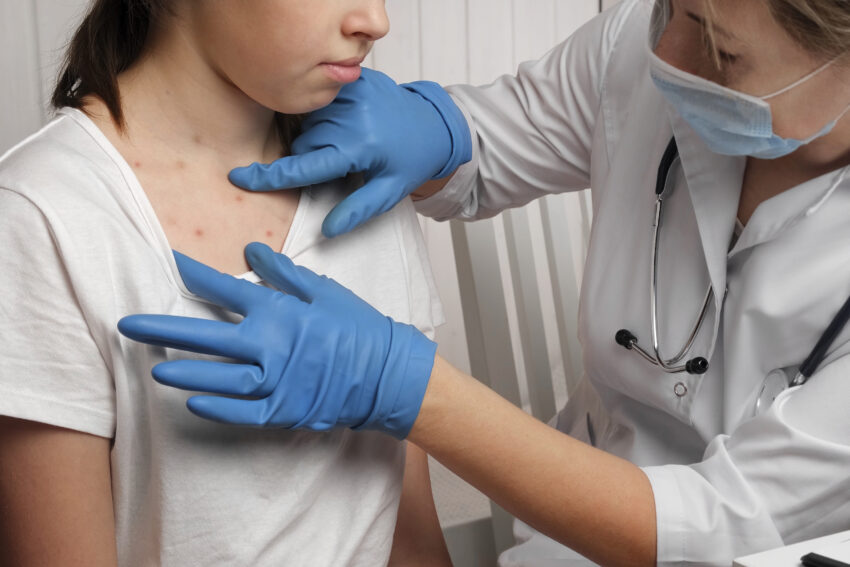
Before the introduction of the vaccine, measles was a prevalent disease that meant sickness or death for up to 4 million people each year, according to the CDC. After the vaccine, measles was declared eliminated in the U.S. in 2000. However, vaccine hesitance and incorrect information about the measles (MMR) vaccine have caused fewer vaccines to be administered and the virus to spread, revoking the country’s “eliminated” status. As states continue to report cases of the virus, it’s more important now than ever to stay informed about measles to protect you and your familia. That’s why Health Confianza – a partnership between UT Health San Antonio, UT San Antonio, and the San Antonio Metropolitan Health District – has developed ...
Para vivir una vida saludable, necesitamos convivir y relacionarnos con otros. Sin embargo, muchos adultos mayores enfrentan aislamiento social, o sea, tienen poca interacción con otras personas y casi ningún contacto regular, y también padecen de la soledad, ese sentimiento doloroso de estar solos o alejados de los demás. ¿Cómo podemos evitar el aislamiento social y la soledad al envejecer? Le invitamos a leer nuestra nueva hoja informativa, Guía para Combatir el Aislamiento Social y la Soledad, creada para ayudar a nuestros abuelos, familias y amigos a entender qué son el aislamiento y la soledad, cómo afectan la salud, y qué podemos hacer para prevenirlos y evitar el Alzheimer y otras demencias relacionadas. Esta hoja informativa fue escrita por la ...
As summer come to an end, children and families are gearing up for another school year. Between the school supplies, new clothes, and getting back into the routine of things, it’s important to ensure students and families are healthy and safe! With this in mind, let’s look at helpful reminders for back to school.
1. Keep a Sleep Schedule
Having a consistent sleep schedule can impact one’s health and wellbeing. For example, studies show an association between insufficient sleep and obesity. “Poor sleep is also linked with the likelihood of developing diabetes and, over a longer term, with heart problems,” according to the Children's Hospital of Philadelphia. Consistent sleep schedules also support emotional regulation and mood stability, cognitive ability, immune ...