Recently, the Department of Health and Human Services (HHS) issued a “final rule” to advance health equity and reduce healthcare disparities. Under the new rule, individuals are protected from discrimination in healthcare on the basis of race, color, national origin, disability and sex. The rule also protects against discrimination based on pregnancy, gender identity, and sex stereotyping. The Nondiscrimination in Health Programs and Activities final rule impacts portions of the Affordable Care Act (ACA). “A central goal of the Affordable Care Act is to help all Americans access quality, affordable health care.” said HHS Secretary Sylvia M. Burwell. “Today’s announcement is a key step toward realizing equity within our health care system and reaffirms this Administration's ...
Working together to discuss actions to reduce obesity in children and adolescents, the Pan American Health Organization/World Health Organization (PAHO/WHO) hosted a roundtable discussion with government representatives, nongovernmental organizations and private sector groups. The discussion focused on the Plan of Action for the Prevention of Obesity in Children and Adolescents, drawing on actions to help healthier options become the easier options. A few key points discussed were taxes on sugary beverages and junk foods, protecting children from unhealthy marketing, and food labeling, along with policy and programs for healthier foods and water access for schools and increased physical activity in schools. To see all groups and participants involved, click here. Copy & ...
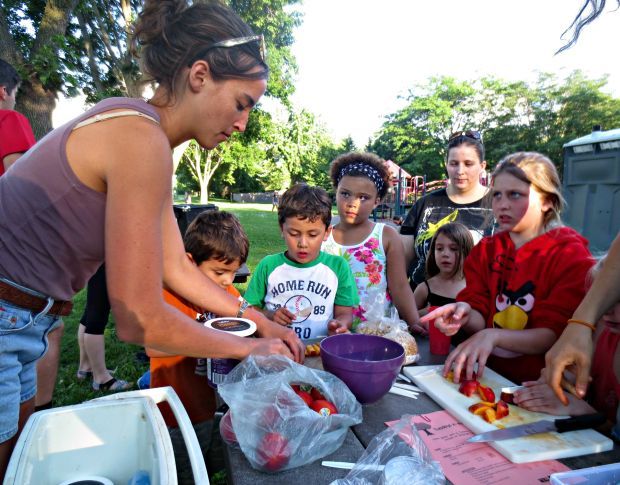
College friends Tori Ostenso and Emily Pence met through volunteer opportunities while in school. They soon learned there was plenty of fresh produce in their neighborhoods, but immigrant families lacked access to these healthy options in Rice County, Minn. (8% Latino population). The two students wanted to help. They eventually started a mobile market and eventually began a weekly program to help Latino and other families have greater access to an affordable bag full of fresh local organic vegetables.
Abundant Fresh Produce, But Inequitable Access
Victoria (Tori) Ostenso became keenly aware of the bounty of healthy fresh produce grown in Northfield, Minn (8.4% Latino) while working at Carleton College’s two-acre organic vegetable farm in summer 2012 after her freshman year ...
A new program called Students for Nutrition and Exercise (SNaX) is helping obese students in Southern California have healthier weights for longer periods of time. According to a recent article, SNax combined school-wide environmental changes, encouragement fo healthy eating, healthy foods in cafeterias and peer-led education and marketing to help students change their body mass index (BMI). Over 1,368 students heights and weights were assessed before and after two years of the program in over five schools within the Los Angeles Unified School District where thirty percent of the students were classified as obese at the start of the program. Two years later students showed a "significant decline" in BMI, around nine pounds lower in body weight, according to the article. The ...
Joining the movement of many health groups, certain groups in Maryland want to label sugar-sweetened beverages. This doesn't come as a surprise, as many cities are starting to discuss soda taxes across the country including three cities in California, with big pushes in various cities in Calif. and in Philadelphia, Illinois. "There's a national movement working to reduce rates of heart disease, tooth decay, diabetes that are directly related to sugary drinks, here in Maryland, particularly in Baltimore, we are focused on education, ... this measure is about transparency, this is really about a consumers the right to know, " said Robi Rawl director of Sugar-Free kids Maryland, in the local news video. About 22 percent of Latino high-school students drink three or more sugary ...
The #ShareACoke campaign is using hit songs to promote their products to Latinos, now marketing groups within public health groups are also sharing the tunes they see big soda promoting. Consuming daily amounts of sugary sweetened beverages have been shown through studies to lead to greater risks for type 2 diabetes, obesity, and other diet-related health risks and are also the number one source of added sugar in the American diet. To raise awareness of the health risks related to consuming sugary beverages like soda, organizations like Berkeley Media Studies Group other health-focused groups are tweeting out on twitter about the truth behind soda consumption, showing how health risks can impact consumers. They are asking all to get involved with the hashtag #ShareACoke and ...
Marketing to kids has been a long debated topic as cartoon characters, TV shows and smartphone game apps have been shown to influence kid's food choices. Quebec has had restrictions on child-targeted food ads since 1980's according to a recent news article and now Toronto wants to follow suit as well to help decrease risks of childhood obesity and diabetes. The board of health voted on Monday, April 25, 2016, to ban commercial ads to children under 16 years of age. The city's Medical Officer of Health reported in the same news article that 29 percent of kids in grades 7-12 were overweight or obese, and one in five students eat sugar or salty snacks more than three times a day. Latino kids are often more likely to see unhealthy ads for unhealthy foods and sugary ...
Teens who have been exposed to electronic cigarette ads in the last 30 days are more likely to start vaping, according to a recent study by the Centers for Disease Control and Prevention (CDC), Engadget reports. "The unrestricted marketing of e-cigarettes and dramatic increases in their use by youth could reverse decades of progress in preventing tobacco use among youth," Brian King, deputy director at the CDC's smoking division, said in a statement. The data comes from the CDC's 2014 National Tobacco Survey that looked into the habits of more than 20,000 middle and high school students from across the country and found that the number of E-cigs users is increasing among teenagers. Along with their findings the CDC recommends “limiting e-cig sales to stores that only admit adults, ...
A new movement towards healthier lunchrooms is happening in Iowa high schools by empowering students to assess and change their lunchrooms, helping to let take charge within their schools in making the healthy choice, the easy choice. Students are allowed to help change their lunchrooms through the Smarter Lunchrooms Movement, that applies the Cornell Center for Behavioral Economics in Child Nutrition Programs (BEN) into simple low-cost concepts that improve nutrition and marketing for healthier choices. With a three-pronged partnership between the Iowa Department of Education, the University of Iowa Public Policy, the College of Public Health and the Iowa Department of Education, five high schools across the state plan to let student's use BEN to make decisions within their own ...