Volunteering for Thanksgiving, Christmas, and New Year’s helps other people. It gives the volunteer a nice emotional boost, too. So why not volunteer your "digital voice" or "actions"? We at Salud America! invite you to take or start these 13 actions to promote health equity for Latino and all families this holiday season!
1. Speak Up to Limit Sugar in Dietary Guidelines!
A few years ago, scientists advised federal leaders to adjust the Dietary Guidelines for Americans to lower added sugar intake from 10% to 6% of daily calories and reduce men’s daily alcohol intake from two to one drink a day. That advice was not taken. Now those scientists – the Dietary Guidelines Advisory Committee – are asking for public comment as they again prepare to recommend changes ...
Healthcare workers, looking for your next informative – and entertaining – infection control resource?! Look no further, the Washington State Department of Health’s Project Firstline Podcast covers a variety of infection control topics, from healthcare-associated infections to multi-drug-resistant organisms. The podcast is part of the US Centers for Disease Control and Prevention (CDC)’s Project Firstline, which provides all healthcare workers the infection control training and resources they need to protect themselves, their patients, and their coworkers from infectious diseases. With 17 episodes to choose from, you’ll be sure to learn something new. Let’s dive in!
A Glimpse at the Episodes
Dating back to the height of the COVID-19 pandemic, the opening episodes ...
Spending on health is rising in America. Yet, ironically, health outcomes are getting worse. In fact, people here experience the worst health outcomes overall of any high-income nation. U.S. residents are more likely to die younger, and from avoidable causes, than residents of peer countries, according to a 2023 report from The Commonwealth Fund. Let’s compare health outcomes with peer countries to provide an important baseline for where we are in health outcomes and set a target for where we could be.
The U.S. and 5 Important Domains of Healthcare Systems
A 2021 study by The Commonwealth Fund compared five performance domains of health care systems across 11 high-income countries. Researchers found the U.S. ranks last on four of five domains: access to care (last)
...
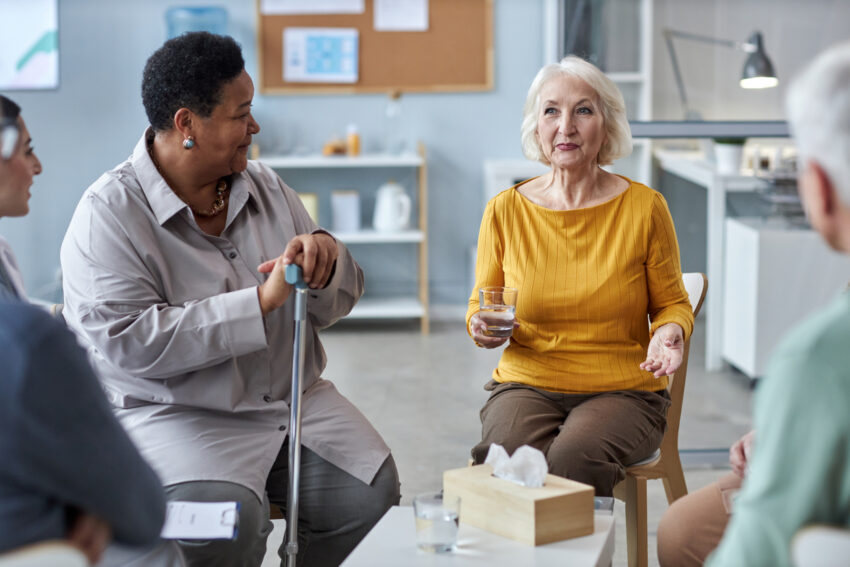
We know that Latinos are impacted by Alzheimer’s, dementia, and other health conditions like Parkinson’s disease. That is why it’s important to have support and resources for those who are impacted, as well as their families and caregivers. Let’s explore various support groups from the Glenn Biggs Institute for Alzheimer’s and Neurodegenerative Diseases at UT Health San Antonio!
Support for Those with Lewy Body Dementia
The Biggs Institute hosts an in-person support group, Living Together with Lewy: Support group for Individuals Living with Lewy Body Dementia and their Care Partners. Lewy Body Dementia is the second-most common form of dementia, behind Alzheimer’s. It results in irreversible cognitive decline and movement problems like Parkinson's ...
Where in San Antonio can you find a list of health clinics? Mental health resources? Health coverage resources? Organizations with community health workers? Fortunately, the local Health Confianza health literacy team led by UT Health San Antonio has the answers (and more) on its new bilingual resource website, WellnessCultura.org and WellnessCultura.org/esp. Let's explore the need for health literacy and how the new website will help improve preventive care!
What Is Health Literacy?
Health literacy is "the degree to which individuals have the capacity to obtain, process, and understand basic health information and services needed to make appropriate health decisions," according to the CDC. In today’s world, health literacy is crucial for community members and health ...
A big challenge for cancer survivors is a disruption in "cognitive functioning." Stress can contribute to lapses in attention, memory, and other mental abilities that can limit a survivor's daily activities and ability to work. To help, researchers from UT Health San Antonio and UT San Antonio will test a 6-month therapeutic Yoga program — along with supportive text messages and dietary guidance — to improve cognitive functioning in 35 Latina and 35 non-Latina breast cancer survivors. The pilot project, "Surviving is Not Enough: Enhancing Cognitive Function in Cancer Survivors through Movement and Introspection," is led by Dr. Daniel Carlos Hughes, a researcher at the Institute for Health Promotion Research at UT Health San Antonio, and Dr. Joseph Houpt, professor of ...
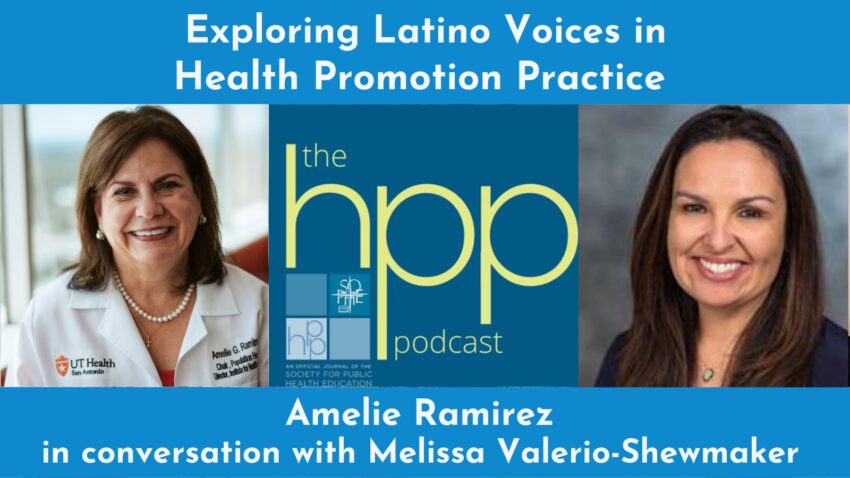
Dr. Amelie G. Ramirez, leader of Salud America! at UT Health San Antonio, explores milestones and remaining challenges in health promotion for Latino and all people in a new commentary in the journal Health Promotion Practice. The commentary covers patient navigation, social media communication, clinical trial participation, and more. "We need to listen to and understand our ... communities so that we can create more effective strategies for building public trust and communicating science," Ramirez writes in the new commentary. "Reaching [people] where they are, via social media and smartphones, is a key component of this mission." Ramirez also explores these topics in a related episode of the HPP Podcast: Dr. Ramirez & Her Health Promotion Research
Ramirez is an ...
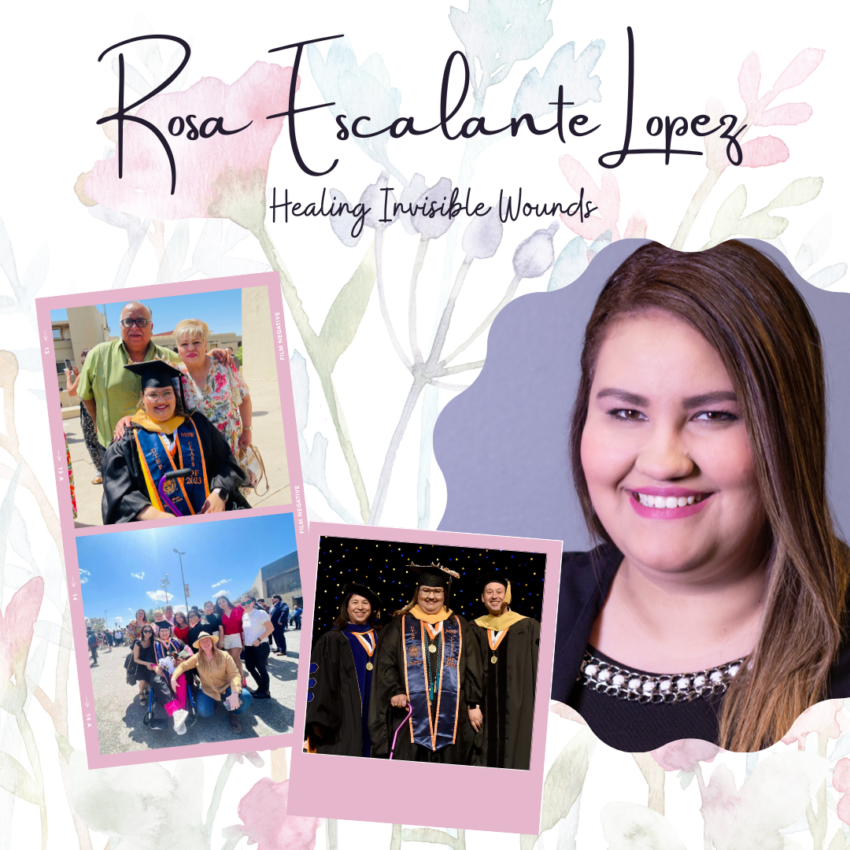
A young Rosa Escalante Lopez curiously looked around the therapist’s room as her mother and the therapist chatted in Spanish. “The elementary school thinks she may have a learning disability,” Rosa’s mother said. “She’s struggling in math.” “According to my evaluation, your daughter is developing normally,” the therapist said with a smile. “She can continue to the next grade; she may just need extra tutoring in her math class.” As the two continued to talk, Rosa reflected on her session with the therapist. She was fascinated with the idea of helping people heal a wound that may not be visible, such as a learning disability or a mental health condition. “In my last year of elementary school, I remember thinking, ‘I'm going to be a psychologist and ...
Implications of the lack of quality maternal healthcare in the United States are well documented. Pre-term birth rates are rising, maternal mental health is suffering, and maternal mortality remains high, especially in women from certain backgrounds. Women living in rural areas are hit even harder by these implications, as indicated by a new March of Dimes report on maternity care deserts. Let’s explore just how much living in a rural area matters when it comes to maternal health, and how we can work to improve maternity care in underserved rural areas.
Maternity Care Deserts in Rural Texas Counties
Maternity care deserts make up 36% of all US counties, according a 2022 March of Dimes report. These maternity care deserts contribute to the US having the highest maternal ...