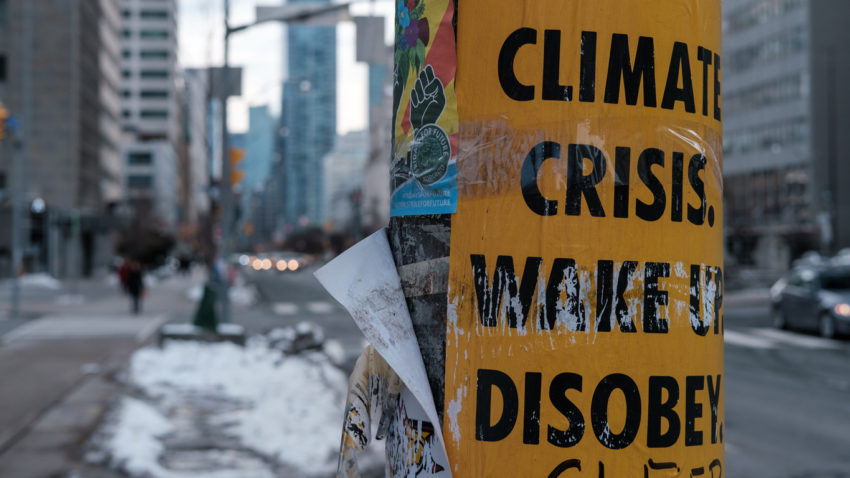
Climate change is an ongoing environmental dilemma that threatens the health of all people. Yet, research has shown that certain groups, such as Latinos and other people of color, immigrants, those with a lower socio-economic status, and vulnerable occupational groups are most likely to suffer longer and more severely from climate change. “The effects of climate change add to other longstanding differences among people that result in different health outcomes for communities in the United States,” reported the U.S. Department of Health & Human Services.
What Is Climate Change?
Climate change is defined as a long-term shift in global or regional climate patterns. Long-term alterations in temperature or the typical weather patterns of a certain location can lead to ...
In celebration of National Hispanic Heritage Month, Alliance for a Healthier Generation is sharing a series of stories about Latino health champions. These champions—Bianca De León, Alejandro Diasgranados, Mario Reyna, and Pia Escudero—have different backgrounds and interests. But they share a passion for creating health equity and a more just, equitable, inclusive, and healthy future for children and families. Read their stories!
Bianca De León: Community-Building to Connect Kids to Positive Experiences
Bianca De León grew up speaking both English and Spanish with her single mother in their community along the U.S.-Mexico border. She had a loving network of cousins, aunts, uncles, grandparents, and great grandparents. Now, as a mother, she continues to forge these ...
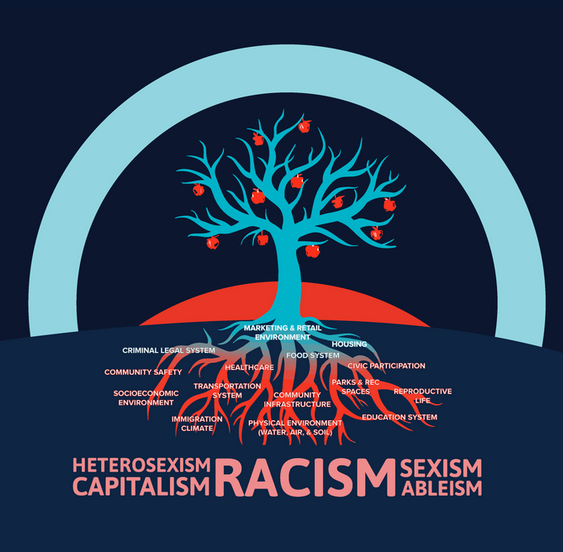
Where we live and the conditions that we live in impact our health and life outcomes. This concept is widely called the Social Determinants of Health (SDOH). Unfortunately, when people live in and experience negative conditions, it can lead to poor health outcomes and disparities, particularly among Latinos and other marginalized communities. In their new SDOH framework, the Praxis Project highlights the root systems of oppression that have led to health disparities for communities of color. “Many traditional SDOH frameworks lack the explicit naming of systems of oppression that cause disparities in health determinants. In an effort to incorporate these systems of oppression and to highlight the root causes of these determinants from a justice and community power ...
Amid the ongoing racial justice movement in the wake of police brutality and the death of George Floyd and others, a rising number of U.S. local leaders are creating resolutions to declare racism a public health crisis. Update 4/5/22: San Antonio, L.A., New York, and Chicago are among 246 cities, counties, and other governmental leaders that have declared racism a public health crisis, as of April 5, 2022, according to Michigan cartographer Alex B. Hill on Twitter. "It's a little thing to declare racism to be a public health crisis, but it's a stake in the sand," said former American Public Health Association (APHA) President Camara Phyllis Jones, Bloomberg reports.
Where Are Resolutions on Racism as a Public Health Crisis Happening?
Over 200 entities, including 19 states, have ...
Older Latinos who live in neighborhoods where little English is spoken are at a higher risk of poor health and early death, according to a new study from the University of Georgia. “If you are linguistically isolated, you’re very likely to be isolated socially, and we know social isolation contributes to mortality,” said Kerstin Emerson, a co-author of the study. The study has implications for how language barriers and social cohesion in a community can affect health, particularly among elderly Latinos.
What Does the Study Say about Language Isolation?
Researchers at the University of Georgia’s College of Public Health conducted the study to determine if neighborhoods that are linguistically isolated impact health. The study analyzed data from a survey of over 1,100 ...
We have updated our Health Equity Report Card to include place-based information on your county’s Social Vulnerability Index Score and COVID-19 cases, deaths, and hospitalizations. The Salud America! Health Equity Report Card, first launched in 2017, auto-generates Latino-focused and local data with interactive maps and comparative gauges, which can help you visualize and explore inequities in housing, transit, poverty, health care, food, and education. You will see how your county stacks up in these health equity issues — now including social vulnerability and COVID-19 — compared to your state and the nation. Then you can share the Report Card with your local leaders to advocate for healthy change! Get your Health Equity Report Card!
Why We Need to Consider ...
Latinos are the largest racial/ethnic minority at 18.5% of the U.S. population. Yet they face considerable health inequities — from discrimination to a lack of access to health care, transportation, affordable housing, healthy food, and more. This contributes to a high burden of diabetes, obesity, and disease for Latinos. In response, we need more understanding of the root causes of health inequities, diversity in the health and research fields, better education, and greater societal presence for Latinos, according to a new article in the Journal of the American Medical Association (JAMA) by Dr. Amelie G. Ramirez, director of Salud America! at UT Health San Antonio, and Drs. Rita Lepe and Francisco Ciagarroa of the Transplant Center at UT Health San Antonio. "The changing ...
Poverty disproportionately impacts Latinos and other people of color. Child poverty rates are more than twice as high for U.S. Latino children (23.7%) than White children (8.9%), according to a Salud America! research review. Hardships stemming from poverty, like difficulty meeting basic needs for food, medicine, housing, and transportation, also lead to worse health and life outcomes. We know that poverty hurts poor neighborhoods and counties that are predominately non-white and low-income. However, did you know that even in the healthiest counties, children of color still experience poverty at often twice the rate of white children? “Nearly 1 in 10 children are living in poverty in the nation’s healthiest counties and children of color, particularly Black, Hispanic ...
Today, U.S. Surgeon General Dr. Vivek Murthy issued his first public advisory of the Biden Administration to warn Americans about health misinformation. Health misinformation is threatening U.S. response to COVID-19, preventing Americans from getting vaccinated, and prolonging the pandemic. Misinformation about COVID-19 and vaccines also often targets Latino and Black communities, which have been disproportionately affected by COVID-19 and have low rates of vaccine uptake. "Health misinformation is an urgent threat to public health. It can cause confusion, sow mistrust, and undermine public health efforts, including our ongoing work to end the COVID-19 pandemic," Murthy said in a press release about the advisory. "My job is to help people stay safe and healthy, and without ...