by
by 
Share On Social!
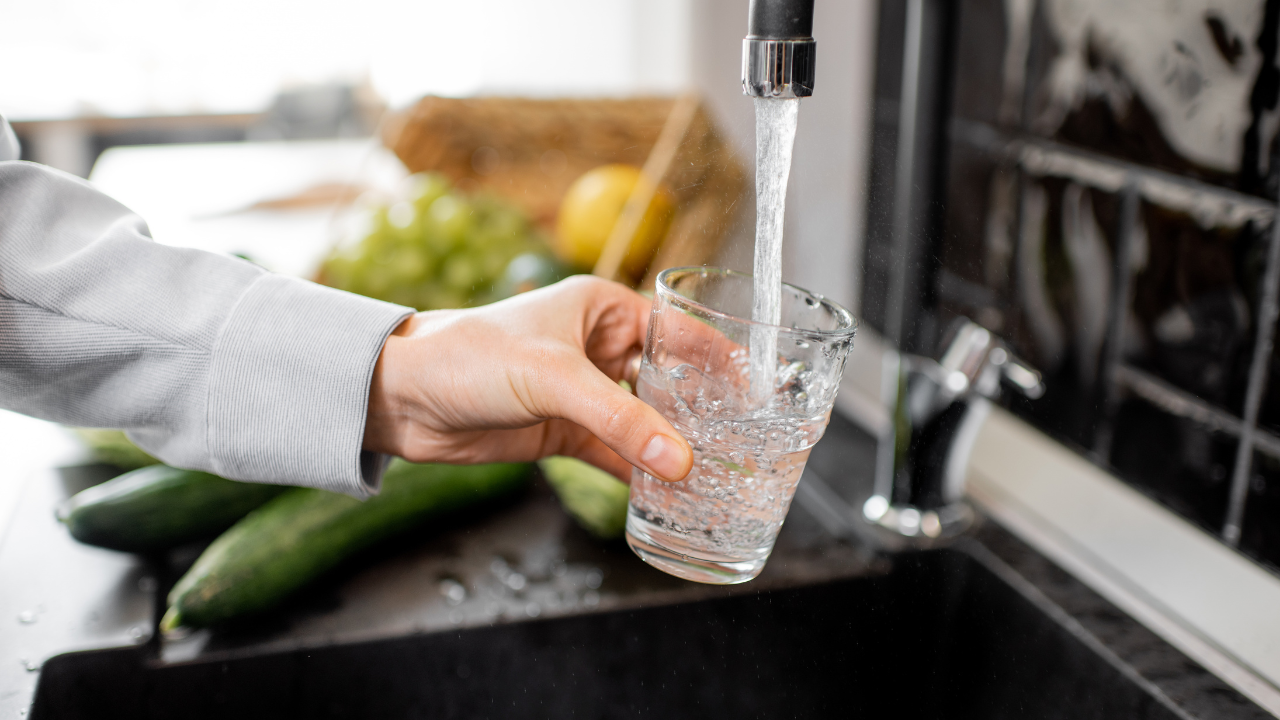
In 2024, the Environmental Protection Agency (EPA) ruled in favor of legally enforceable standards that limit toxic “forever chemicals,” also known as perfluorinated and polyfluorinated alkyl substances (PFAS), in drinking water.
Human exposure to PFAS is linked to adverse health effects, such as increased cancer risk.
However, the current federal administration is revisiting the EPA’s ruling, claiming that the former administration didn’t follow proper channels to lawfully regulate the use of four key chemicals in the PFAS family, CNN reports.
The EPA’s regulatory process is underway to repeal some PFAS limitations and delay implementation of others.
July 2026 Update: The EPA received 53,643 comments regarding protections for safe drinking water and 394 of those comments came from Salud America!members who submitted a model comment.
The comment period ended on July 20, 2026.
Submit This Model Comment to Protect Drinking Water from Forever Chemicals
To EPA leaders,
I’m writing to urge the EPA to not rescind or delay previously approved regulations that protect Americans from ‘forever chemicals’ in drinking water.
This landmark decision was poised to significantly reduce the harmful health and environmental effects of per-and polyfluoroalkyl substances (PFAS), their salts, and their structural isomers for millions of Americans.
These pollutants have been linked to reproductive and developmental challenges, increased risk for cancer, reduced immune system response, and more.
Many people, including Latinos, are impacted by these health conditions.
In fact, cancer continues to be a top cause of death for Latinos (https://bit.ly/43wO12u). Additionally, many Latinos live in areas that have a high presence of pollution, which has been known to lead to asthma and obesity (https://bit.ly/4cCrVzI).
These communities already face many health conditions, and their risk of contaminated drinking water will only increase if these regulations are rescinded or postponed.
Rural communities across the country are already seeing environmental changes due to an uptick in data centers, which use these pollutants in their cooling systems, and have the potential to cause damage to water supplies, including drinking water.
The existence of ‘forever chemicals’ in drinking water poses a major public health risk for myself, my familia, and my community.
We can’t afford to wait for another opportunity to act against chemicals that have caused undue harm to countless lives.
I’m appealing to the EPA to consider the danger that rescinding these regulations or delaying compliance will have on American lives as more PFAS are pumped into water supplies with no lawful recourse to prevent it.
Current PFAS Drinking Water Standard
In 2023, the EPA proposed a new federal standard to limit PFAS in drinking water.
After nearly a year-long public comment period, the EPA received 121,969 comments — 832 of them from Salud America! members who supported the regulation.
On April 10, 2024, the EPA announced its final ruling on the first-ever PFAS drinking water standard in the country, requiring public water systems to monitor and reduce PFAS levels, according to a White House news release.
If PFAS exceeds a certain level (4.0 parts per trillion), these water systems will have to notify the public.
The 2024 final rule is applicable to five types of PFAS, including two of the most common PFAS —PFOA and PFOS, which can be found in packaging, carpeting, and more.
In addition, the EPA is limiting combinations of four types of PFAS, including chemicals known as GenX chemicals, which can be found in cleaning products and non-stick coatings.
“This standard will reduce PFAS exposure in our drinking water to the lowest levels that are feasible for effective nationwide implementation,” according to the news release.
To help meet the 2024-approved standard, the former presidential administration pledged to give states funding for PFAS detection and treatment systems while investing in other safe drinking water measures throughout the country.
The final ruling was the first-ever Safe Drinking Water Act standard for PFAS – the first time any new contaminants have been added since 1996, according to the White House.
The implementation deadline for the final rule was slated for April 26, 2029.
New EPA Proposed Rules on PFAS in Drinking Water
These regulations are now in danger of changing or disappearing altogether.
The EPA is revisiting its 2024 final ruling on drinking water regulations after concerns were raised about the regulatory process by the current federal administration.
The agency is now faced with the decision to uphold the final rule already in place or remove PFAS limits on drinking water for millions nationwide.
As part of the regulatory process, the EPA is once again calling for public comment to weigh in on the matter.
What’s more, a separate proposed rule by the EPA could extend the compliance deadline from April 26, 2029, to April 26, 2031, giving water systems an additional two years to meet the new standards.
The changed compliance time would inevitably delay the health benefits that limiting these chemicals in drinking water would give millions of Americans.
These two proposed rules have caused a huge setback on the path toward access to safer drinking water for all.
Why is the Drinking Water Standard Needed?
The EPA says that the standard protects 100 million Americans from PFAS and prevents tens of thousands of illnesses and deaths associated with PFAS exposure.
PFAS have existed since the 1940s and can be found in many common products, such as firefighting foam, adhesives, and food packaging like grease liners in pizza boxes or microwave popcorn bags.
These types of chemicals are notoriously impervious to environmental degradation, making them more difficult to dispose of and break down over time, hence the nickname “forever chemicals.”

It also makes it easier for these chemicals to find their way into water supplies in communities located near chemical waste plants.
Lately, contaminants have been making their way into water supplies due to water usage from large data centers, which have been springing up across rural America to meet the demand for AI and other meta data.
Some of these centers use advanced cooling systems that include the use of cooling fluids and refrigerants, which can include forever chemicals.
As these centers continue to grow, there have been numerous reports of visibly unclean water and incidences of low water pressure or no water at all.
The most recent comes out of Morgan County, Georgia, where residents have experienced dirty well water as a new data center is being built.
“I’m afraid to drink the water, but I still cook with it, and brush my teeth with it,” Mansfield, Georgia resident Beverly Morris told BBC News. “Am I worried about it? Yes.”
This drew the attention of federal lawmakers and made its way into national headlines when U.S. Rep. Alexandria Ocasio-Cortez held up a jar of dirty water she obtained by a resident.
“This is not just inconvenience,” she said during the hearing. “This is a basic public health issue.”
Retaining the 2024-approved EPA final ruling could make a huge difference in the health of communities experiencing water hardship and hold these large corporations accountable for the health and safety of nearby residents.
“All communities deserve to have safe, clean water. Yet the ‘forever chemicals’ known as PFAS threaten the health and wellbeing of one-third of Americans,” said Michael McAfee, President and CEO of PolicyLink.
“We cannot place the cost of this contamination and impacts to public health on [communities already facing hardship]. For our water systems and infrastructure to [be improved], we need the federal government to set clear standards in the interest of public and environmental health, to support our critical water utilities in their efforts to clean and transport water, and to hold polluters accountable.”
What Communities are Saying About Drinking Water Regulations
PFAS in drinking water has been a hot button topic for quite some time.
During the first run of public comments several public water system entities across the country, including San Antonio Water Systems (SAWS) expressed opposition over the feasibility of implementation, including cost, and the proposed measuring standards.
Additionally, they called for an extension of the comment period to review supporting documentation.
However, scholars and environmental researchers came out in droves to express the need for immediate action ¾ even going as far as to argue that the regulation wasn’t strict enough.
Environmental law student and Dallas resident, Emma Jenevein, wrote that the EPA should expand its coverage of PFAS to include more classes of chemicals that threaten public health and the need for regulations at the source of contamination.
In tandem with the original proposition, the EPA proposed extending the range of PFAS classification to include more chemicals. A total of 907 people submitted public comments, including 816 Salud America! members.
To our knowledge, the EPA has yet to make a final ruling on the matter.
Other commenters included lawmakers in states that have already implemented regulations to curb PFAS exposure in drinking water.
One such person is Mindi Messmer, who was a member of the New Hampshire House of Representatives from 2016 to 2018.
During her service, New Hampshire along with states like New York, New Jersey, Vermont, and Massachusetts passed regulations to lessen the health impacts of PFAS in drinking water, according to the politician’s comment.
Furthermore, the comment used supportive evidence to articulate the harms of exposure for fetal and child development.
“Our children are already experiencing increasing rates of cancer ¾ we must do what we can to prevent additional cases and preserve the health and well-being for future generations,” she wrote.
Her plea to the EPA included not to fall prey to potential roadblocks from stakeholders.
Identify Ways to Improve the Environment in Your Community
From what we eat and drink to what we wear and cook in, exposure to chemicals like PFAS and other toxins is all around us.
To stay on top of the potential dangers of toxic exposure can have on your family and the rest of your community, download the Salud America! Health Report Card for your town!
Enter your county name and get auto-generated local data with interactive maps and comparative gauges on several health indicators. This can help you visualize and explore local issues in education, housing, transportation, food, health, and more.
See how your county stacks up compared to the rest of your state and nation.
Then email the Report Card to local leaders to raise awareness, include the data in a presentation or grant proposal, or share it on social media to drive healthy change in your community!
Explore More:
Chemical & Toxic ExposureBy The Numbers
1
Quick Survey
Can help you find out how chemically sensitive you are