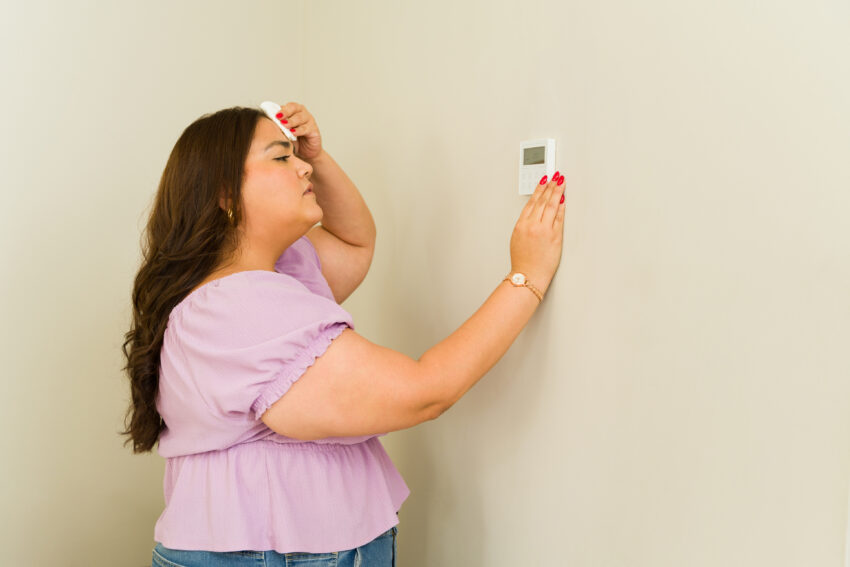
Amid a sweltering summer heat wave, communities in the U.S. East Coast are struggling to handle the stress on energy demand in homes built to heat rather than cool. In fact, many households across the county experience a lack of air conditioning reliability. This often-overlooked non-medical driver of health impacts overlooked populations, lower income individuals, those who live in rural areas, and families that live in densely populated urban areas that lack shade or in older buildings with no central air. Let’s explore how air conditioning reliability (or unreliability) can affect the health of you and your familia—and how local communities can address this inconsistency.
State of Air Conditioning Reliability
Over 35 million Americans live ...
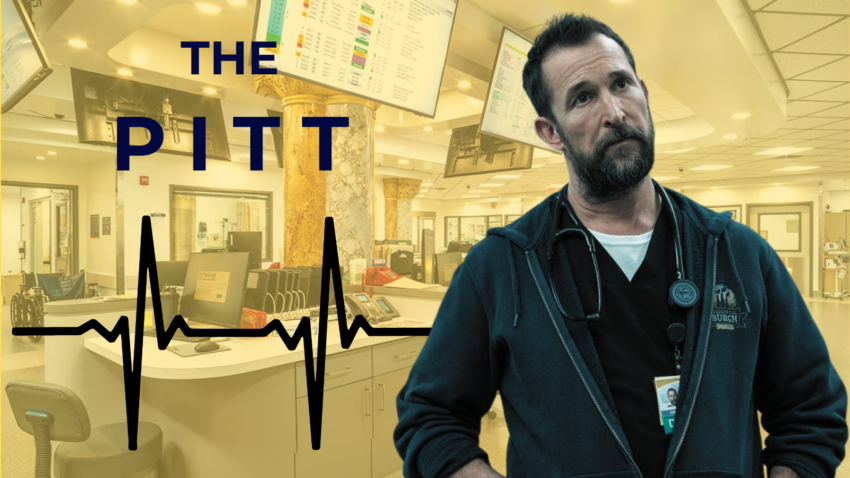
From acute bronchitis to car accidents to overdoses, you never know what is going to come through the doors of an emergency room. However, the ER isn’t only for severe situations – some use it for primary care. This is because the ER has an obligation to treat patients despite someone’s insurance or lack of insurance. That’s why it tends to expose cracks in the health care system. The flaws of health care are mirrored in the HBO TV series The Pitt. The fictional series, set inside a Pittsburg teaching hospital, primarily caters to low-income individuals, celebrates differences, brings awareness to relevant issues, and provides commentary on the US healthcare crisis. Here are some of the ways The Pitt shows how to address the Latino health care crisis. ...
In the fictional hospital TV show The Pitt, a Latino family man is rushed to the hospital after passing out at his job. The cause of his fall? The man, who has diabetes, had only been taking half of his prescribed insulin dose following a loss in insurance coverage. Despite the threat to his health, he opts out of treatment due to its high cost, his family’s medical debt, and loss of work pay. He then leaves the hospital without being discharged only to return later the same day — this time on the brink of death. While this man’s story may be fictional, it represents a reality far too many Latinos and other people encounter — the choice between affording medical care and death. A recent KFF poll found that half of US adults can’t afford the rising ...
Artificial intelligence, better known as AI, is part of everyday life for many people. In fact, experts say people interact with AI almost constantly or several times a day, from looking up information to creating something to making decisions. That goes for health decision-making, too. “AI is rapidly becoming a key player in many people's medical decisions. According to OpenAI, the maker of ChatGPT, more than 40 million people consult the platform every day for health information,” NPR reports. Let’s dive deeper into what this means and how trustworthy AI is for health advice.
Making the Right Medical Choices with AI?
One in six American adults consult AI chatbots for health information at least once a month, according to a recent study in Nature Medicine. The ...
More than 59 million Americans provide care for an adult with a complex medical condition or disability. When it comes to Latinos, 17% of caregivers in the U.S. are Latino. A recently published report from the Pew Research Center found that lower-income adults with an aging parent, spouse, or partner are more likely to be caregivers than those in higher income tiers. “What we found is that the caregiving burden increases as aging family members get to be 75 and older. And, among Americans with an aging parent, spouse or partner, those with lower incomes are much more likely to be caregivers than those with middle and upper incomes,” according to the Pew Research Center. Let’s dig deeper into this study’s key takeaways that can impact families.
10% of All U.S. Adults ...
Health Confianza is following up on its successful health literacy virtual series with a new one focused on a wide range of topics. Last year the series covered information on how health workers and professionals can address stigma and use plain language with patients. This time around the organization is helping health workers navigate incorrect health information, support individuals with physical and mental hardships, and discuss how to speak up for health literacy. The upcoming series, Communicating with Confianza — A Health Literacy ECHO, is a six-part online learning experience focused on “empowering health professionals with health literacy education, resources and knowledge-sharing tools,” according to the nonprofit funded by Bexar County and ...
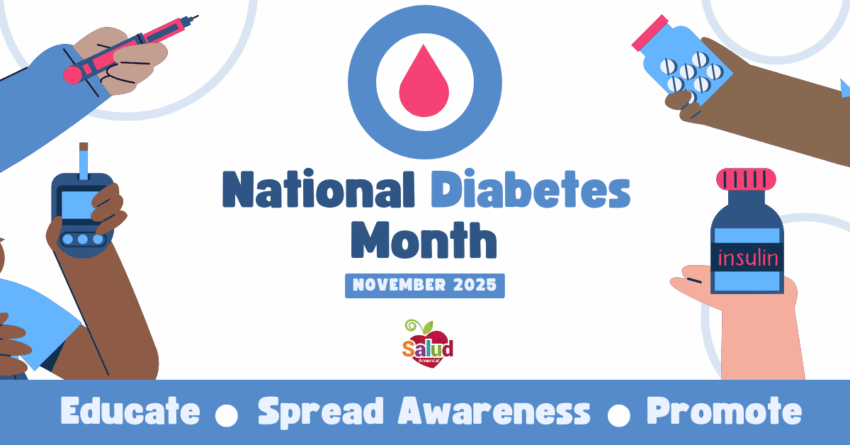
November is recognized as National Diabetes Awareness Month in the U.S. 29.3 million Americans have diagnosed diabetes and 9.7 million adults have undiagnosed diabetes as of 2024, according to the American Heart Association. Diabetes self-management education and support can help people with diabetes gain knowledge, skills, and personalized support. “Adults who receive [diabetes education] follow more recommended preventive care practices,” according to the CDC. With this in mind, we’ve compiled a list of helpful tools and resources to help people explore, manage, and prevent diabetes.
Resources from the American Diabetes Association
For National Diabetes Awareness Month, also known as American Diabetes Month, the American Diabetes Association (ADA) has several ...
Heart disease is a persistent threat for many Americans, including Latinos. As of 2022, heart disease is the leading cause of death of people living in the US, according to the Centers for Disease Control and Prevention (CDC). Many behaviors contribute to an increased risk for heart-related diseases, from lifestyle choices such as smoking, excessive alcohol use, physical activity, poor diet, as well as many health conditions, such as stress, obesity, and diabetes. And researchers are still learning more about these and other risks. In fact, let’s explore six recent studies on the relationship between physical behaviors and the risk of heart disease that you should be aware of.
1. Viral Infections Can Increase Risk for Heart Disease
Viral infections, such as ...
The month of October is Health Literacy Month, making it a great time to explore equitable health resources for Latinos and all people. Health Literacy Month was founded by Helen Osborne, M.Ed, OTR/L in 1999. Today, Helen works to helps professionals communicate health information in ways that patients and the public can understand. “By collectively working to improve health literacy, we’ll create a more equitable world where everyone can access high-quality care and achieve positive health outcomes,” according to the Institute for Healthcare Advancement (IHA). Let’s dig deeper into the importance of Health Literacy Month and how you can take action for health literacy.
What is Health Literacy?
Health literacy can be defined in two ways, personal and organizational ...