Durante su niñez en Puerto Rico, Tony Rentas soñaba con unirse al ejército de Estados Unidos. Quería servir a su país, dar un buen ejemplo a su hijo, y asegurarse que su familia tuviera el cuidado adecuado. En el 2009, se unió al Ejército de los Estados Unidos, haciendo realidad su sueño. Tony ejerció como especialista de inteligencia militar. A lo largo de una docena de años, fue desplegado dos veces, viajó alrededor del mundo, formó grandes amistades, experimentó diferentes culturas, ayudó a personas y proveyó para su familia. Luego, obtuvo una desgarradora noticia. Después de sufrir una convulsión del lóbulo temporal, Tony, -esposo y padre de dos hijos- fue diagnosticado con un glioma de bajo grado, un tipo de tumor cancerígeno en el cerebro, en junio del ...
Growing up in Puerto Rico, Tony Rentas dreamed of joining the U.S. military. He wanted to serve his country, set a good example for his son, and make sure his family was taken care of. In 2009, he joined the U.S. Army, making his dream a reality. Tony served as a military intelligence specialist. Over a dozen years, he deployed twice, traveled around the world, made great friends, experienced different cultures, helped people, and provided for his family. Then he got some harrowing news. After suffering a temporal lobe seizure, Tony – a husband and father of two children –was diagnosed with a low grade glioma, a type of cancerous brain tumor, in June 2020. “I remember walking out of that appointment, sitting in the car, just trying to process things. A couple of tears ...
How often do you think about your brain health? We can maintain our brain health with everything from exercise to quality sleep, but conditions such as brain tumors can affect the brain and disrupt our lives. For Brain Tumor Awareness Month in May, Salud America! at UT Health San Antonio is partnering with the Low Grade Glioma Registry to raise awareness of brain tumors, real people with brain tumors, quality of life, and caregiving among the Latino population. Follow along for a month of amazing content!
7 Things You Should Know About Brain Tumors
About 90,000 people are diagnosed with a primary brain tumor every year? For ourselves, our familia, and our comunidad, we should know a few important things about brain tumors so we can help all those impacted by a tumor ...
Did you know about 90,000 people are diagnosed with a primary brain tumor every year? Similarly, over 1.3 million people in the United States are living with a primary or secondary/metastatic brain tumor. For ourselves, our familia, and our comunidad, we should know a few important things about brain tumors so we can help all those impacted by a tumor diagnosis. Thankfully, the American Brain Tumor Association (ABTA) has amazing resources to help. Let’s explore and learn! Access this resource in Spanish!
1. Know the Types of Brain Tumors
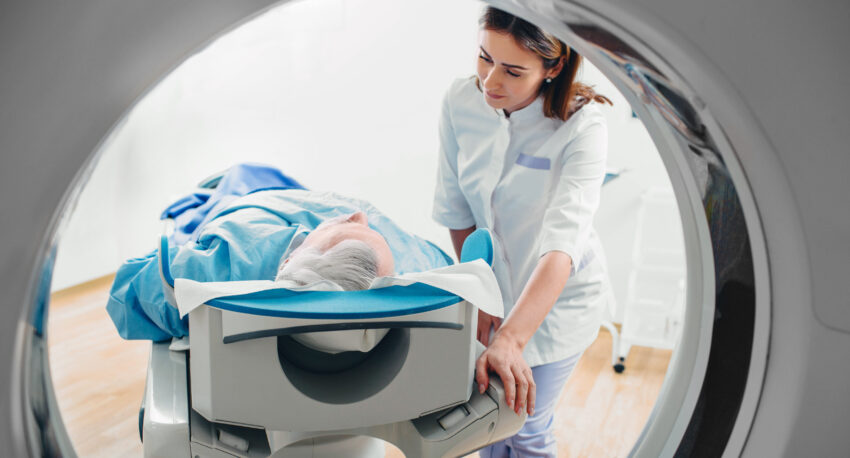
A brain tumor is a growth of abnormal cells that have formed in the brain. But not all brain tumors are the same. “Some brain tumors are malignant (cancerous), while others are not (non-malignant, non-cancerous or benign). A ...
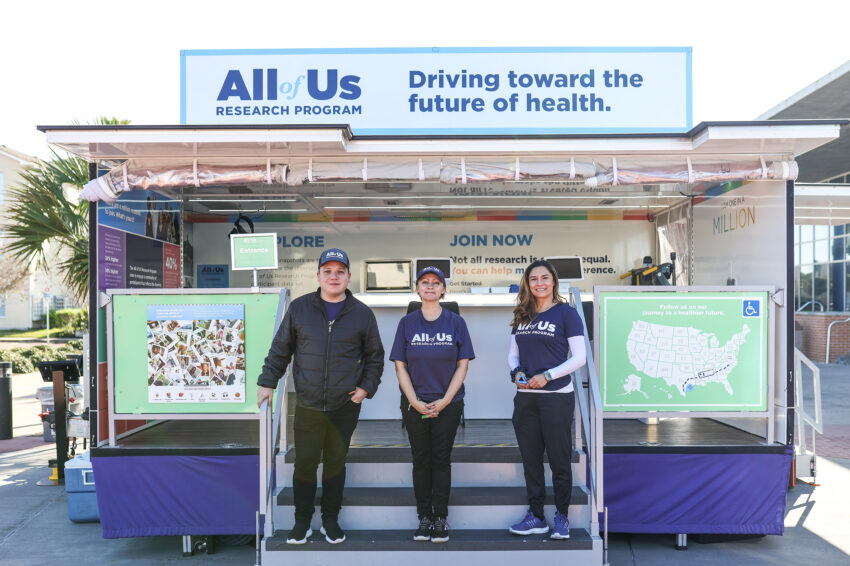
Sit down and buckle up because the National Institutes of Health’s All of Us Research Program could be pulling into a town near you!
On April 16, 2024, the All of Us Research Program announced its annual nationwide tour focused on engaging historically underrepresented communities in medical research, according to a recent news release.
The national mobile tour, dubbed “the All of Us Journey,” kicked off its route with stops on the East Coast in Ohio before eventually making its way to the New York area in early May.
Other East Coast stops include Washington, D.C., Maryland, and Virginia along with first-time destinations of Vermont, New Hampshire, and Rhode Island.
The program plans to visit more than 80 communities, including central regions like Texas, Colorado, and New ...
Every year, 240,000 women are diagnosed with breast cancer in the US, according to the Centers for Disease Control and Prevention (CDC). That’s why healthcare providers recommend women ages 50 to 74 get a mammogram – an X-ray of the breast that can help screen and diagnose cancer – every two years. However, only about 3 in 4 women in that age group has had a mammogram in the past two years, as of 2022, according to a new study by the CDC. For women who experience health-related social needs, even fewer haven’t gotten one. This is alarming because, while mammograms can reduce the number of breast cancer deaths by 22%, this cancer is the top cause of death among Latinas. Let’s explore the non-medical drivers of health that are creating challenges to ...
Cancer is often associated with an aging population, but something is changing in the demographics of cancer survivors — they are younger. There are projected to be 85,980 new cases of cancer in individuals between ages 15 and 39, according to the National Cancer Institute. Decade trends show that this number has been rising an average of 0.3% each year. Even though most young adults and teens with cancer are expected to survive for five years following their diagnosis, researchers are trying to understand why young survivors often face long-term health impacts, such as nerve pain and memory loss. For example, a recent study – using All of Us Research Program data – found that four conditions that affect the brain or nerves were more common in young cancer survivors ...
Sadly, breast cancer impacts our Latina community. Latinas are more likely than White women to be diagnosed with triple-negative breast cancer (TNBC), an aggressive type, according to the Breast Cancer Research Foundation. Join us for “Making Your Voice Heard in Triple-Negative Breast Cancer Treatment,” our 30-minute webinar that is available on-demand starting on Wednesday, April 17, 2024, in English with Spanish subtitles. Hear the latest TNBC treatments and how Latinas deal with the difficult cancer journey. A doctor who specializes in treating breast cancer, a nurse practitioner, and a patient with breast cancer will explain how to manage side effects, connect with others in the breast-cancer community, and be your own best advocate. Webinar speakers include: ...
The last thing a person wants to hear from their doctor is “You have cancer.” Unfortunately, that’s the reality for the thousands of Americans, including many Latinos, diagnosed with cancer each year. After a diagnosis, people dealing with cancer discuss treatment options with their medical care team, which may include participation in clinical trials. Clinical trials are studies with volunteers that test ways to find, prevent, and treat cancer and other diseases. They may also help improve the quality of life for volunteers affected by cancer or reduce the side effects of treatment. Despite the benefits of participating in clinical trials, only about one out of every five (21.9%) people with cancer enroll in clinical research, according to a new study in the ...