In the past 15 years, the drowning rate of school-age children in Broward County, Fla., has plummeted thanks in part to SWIM Central, a program that provides free water safety education classes and transportation for public school children. However, drowning rates remain the No. 1 cause of death among children younger than 5. SWIM Central’s manager and primary funder, the Children’s Services Council, teamed up to develop a voucher program for parents to get their children under 5 into water safety education classes for free or very low cost.
Drowning is No.1 Killer in South Florida Cindy Arenberg Seltzer and Jay Sanford have long been advocates for water safety education for children in Broward County, Fla. (27.5% Latino). Seltzer is president and CEO of the ...
Sugar has been a hot topic in the news. Recent research shows the negative health impacts such as diabetes, high blood pressure, and heart disease. But does sugar impact kids' brains? A new study shows that not only does consumption of sweets and sugar filled products hurt the body, and cause oral health decay, but also consuming sugar can cause changes in the part of the brain that control emotional and cognitive function. The study was published in the Frontiers in Molecular Neuroscience, where researchers found that sugar water diets given to rats had the same effect on the brain as if rats were exposed to early life issues or abuse. Over consumption of sugary sweetened beverages is a concern especially for young children the researchers explained, as this can cause ...
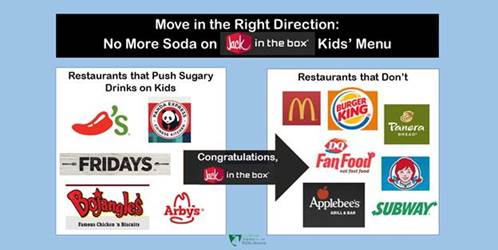
A move in the right direction for healthier kids menus, the fast food chain Jack-in-the-Box, is taking soda and sugary beverages like Hi-C punch and lemonade off of their kids' menu. The new kids' menus offering healthier beverage options will take place in all 2,200 of the chain's locations nationwide. Groups like Moms Rising and the Center for Science in the Public Interest (CSPI) have worked with parents across social media and stakeholder groups to help encourage these changes toward healthier beverage options and less promotion of sugary beverages in restaurant chains across the country. Jack-in-the-Box now joins Dairy Queen, Burger King, and others in removing sugary drinks. More is needed to be done to help kids see healthier options as the easier and more appealing ...
Nicolas Rivard and Allison Hu, urban designers in San Antonio and members of Dignowity Hill Neighborhood Association, learned about an upcoming street construction project that lacks walkable streetscape elements in their neighborhood. They saw this an an opportunity. The urban designers mobilized community members to get involved and request walkable streetscape elements, and the city responded by adding street trees, separated sidewalks, and landscaping. Today, through their recent project, Place Changing, the designers use “participatory design” processes to build planning literacy and equip residents with strategies to continue to get involved in city planning and development projects.
Walkability Low in East San Antonio Neighborhood
Nicolas Rivard and Allison Hu, urban ...
A new guide by ChangeLab Solutions can help local jurisdictions design a code enforcement program to help create and maintain health housing. Good quality housing is central to the health of individuals, families, and communities. When housing falls into poor conditions or disrepair due to pest infestation, moisture damage, hazardous chemicals, or inadequate ventilation, its residents tend to have poor health. Unhealthy homes have been linked to 20-30% of all asthma cases, over 20,000 lung cancer deaths, and a host of preventable fatal and nonfatal home injuries. Without proper maintenance, homes can become unhealthy and dangerous. Strong housing codes, well-trained enforcement officers, and municipal cooperation are necessary to protect residents. Property owners and ...
Improving health isn't limited to the doctor's office or to a lab. Quite the opposite, in fact. The zip code you grow up in is a better predictor of your health than your genetics. This is due to non-medical drivers of health that influence health behaviors. Take street trees, for example. A recent study, on neighborhood green space and health, found that street trees have numerous economic and health benefits. Exposure to green spaces can reduce sedentary time, promote physical activity, and reduce blood pressure, which is important for communities that are impacted by the non-medical drivers of health, because they often lack aesthetically pleasing active spaces, yet are burdened by increased rates of obesity, cancer, and chronic diseases like diabetes. "We find that ...
Cancer is a top killer of Americans. While in some instances cancers are genetically inherited in the majority of cases, they’re preventable with a good diet and plenty of exercise. Here are top cancer-fighting superfoods, according to Health:
1. Berries
Berries are packed with phytonutrients, especially black berries which contain a high concentration of phytochemicals called anthocyanins. These "slow down growth of premalignant cells and keep new blood vessels from forming (and potentially feeding a cancerous tumor).”
2. Walnuts
Phytosrerois—cholesterol like molecules “have been shown to block estrogen receptors in breast cancer cells, possibly slowing the cells' growth.”
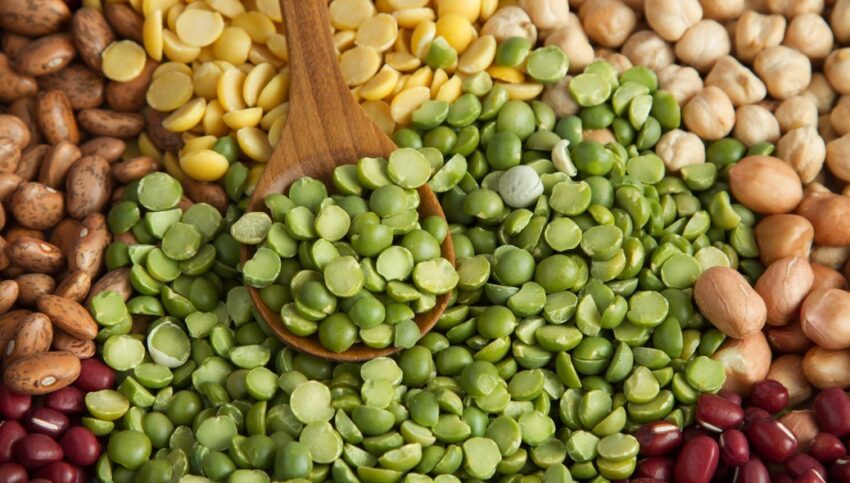
3. Beans
Researchers and numerous studies have found that black and navy beans can ...
Exercise can increase the chances of survival after a heart attack, a new study by a team of researchers at John Hopkins and Henry Ford Health System suggests, Health reports. "Our data suggests that doctors working with patients with cardiovascular risk factors should be saying, 'Mr. Jones, you need to start an exercise program now to improve your fitness and chance of survival, should you experience a heart attack,'" says Dr. Clinton Brawner, Clinical Exercise Physiologist and Senior Bioscientific Clinical Staff Researcher at Henry Ford Health System. "These findings suggest that higher aerobic fitness before a heart attack is associated with better short-term survival after the first heart attack." The results of the study, which focused on 2,061 patients who ...
Teenagers who eat fruits and vegetables high in fiber may significantly lower their risk of developing breast cancer (a leading cause of death among Latinas and other populations), later on in life, according to a new study, CBS News reports. Researchers at Harvard’s T.H Chen School of Public Health analyzed data from 44,000 women. They concluded that those who consumed about 28 grams of fiber a day “had a significantly lower risk of breast cancer before menopause compared with those who said they ate less than 15 grams a day.” "The results of this study emphasize the role of an early life high-fiber diet on prevention of breast cancer in later life. High consumption of foods rich in fiber such as fruits, vegetables and whole grains in early life may help to reduce breast ...