In the last few years, childhood obesity has become a global epidemic. The effort to change individual choices – like diet and physical activity – hasn’t solved the problem, and also contributes to weight discrimination. That is why we need to use cultural insights, nutritional science, and a systemic focus to improve child health, according to a new report from the Vanderbilt University Cultural Context of Health and Wellbeing Initiative. “What we label ‘obesity’ is produced by interrelated systems in which human biology interacts with environments, social norms, economic structures, and historical legacies,” according to a Robert Wood Johnson Foundation blog post about the report, Reframing Childhood Obesity: Cultural Insights on Nutrition, Weight and Food ...
Parents of babies across the US are struggling to feed their children due to a baby-formula shortage. The pain of the shortage is particularly felt among low-income families, such as Blacks and Latinos, who already suffer inequities in maternal and child health. The shortage began during the COVID-19 pandemic in 2020, when America seemingly ran out of everything – from toilet paper to fresh produce. In late February 2022, a baby formula recall, which caused two infant deaths, worsened the shortage. In many states, including Texas and Tennessee, where infants depend on formula for more than half of their diet, formula is sold out in stores. For parents such as Yury Navas, an immigrant Latina mother in Maryland, providing formula for her child is especially ...
We’re seeking a communications specialist to join our communication team at Salud America!, our national Latino health equity organization based at the Institute for Health Promotion Research (IHPR) at UT Health San Antonio. The position will write, edit, and communicate health content and messages. This includes digital content curation for the Salud America! project, as well as assisting in the production of numerous IHPR internal and external communication vehicles, such as newsletters, email blasts, presentations, websites, social media, press releases and more. Apply Now!
Details for the Communications Specialist Position
A bachelor’s degree and two years of related experience is required. Also preferred experience includes: Knowledge and/or strong interest in ...
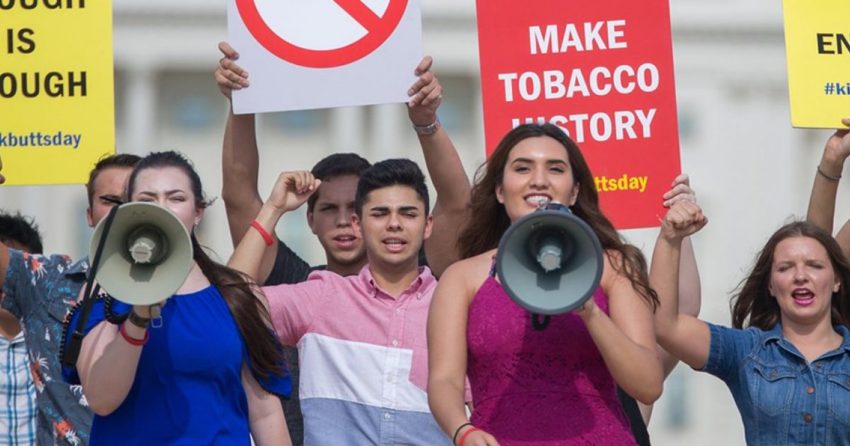
How can you stand up to the tobacco industry? On March 31, you can participate in Take Down Tobacco National Day of Action! Take Down Tobacco, a fresh take on Kick Butts Day, is the Campaign for Tobacco-Free Kids’ signature platform for empowering people to speak out against the tobacco industry. You can: Join the movement
Host an event
Play games in the Take Down Tobacco Arcade
Plan events or share on ocial media with #TakeDownTobacco The team behind Salud America! is working to help young adults quit smoking with Quitxt, our free English or Spanish text-message service that turns your phone into a personal “quit smoking” coach from UT Health San Antonio. To get help, text “iquit” (for English) or “lodejo” (for Spanish) to 844-332-2058. “On ...
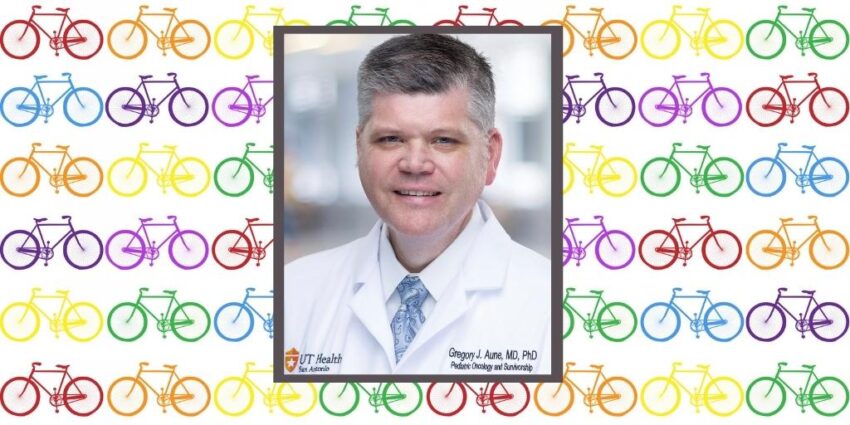
Gregory Aune was 16 when he was diagnosed with Hodgkin’s Lymphoma. Aune spent a year enduring grueling treatment, losing over 70 pounds. But he survived. His experience motivated him to pursue a clinical career and help children with cancer. Today, Dr. Aune is an associate professor of pediatric hematology and oncology at the Greehey Children’s Cancer Research Institute (GCCRI) of UT Health San Antonio, on a mission to find new ways to help and heal patients. That's why he helped found the Gear Up Against Kids Cancer Bike Ride — to raise awareness of childhood cancer and support the mission of the GCCRI. The inaugural bike ride will take place at 8 a.m. CT on April 2, 2022, in Floresville, Texas, after having been postponed for two years due to COVID-19. REGISTER ...
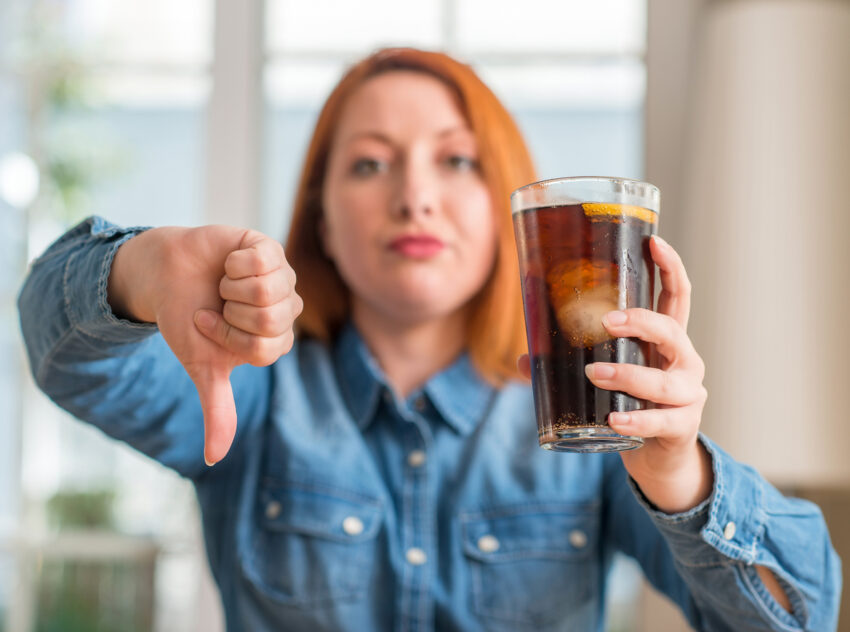
Consuming sugary drinks like soda and juice may increase the risk of prediabetes for Latino adults, according to a new study from Duke University School of Medicine. “What we found in this study is that unfortunately, having more than two drinks a day does increase your risk and is associated with having prediabetes,” said Dr. Leonor Corsino of the Duke University School of Medicine, according to CBS17. Latinos are at high risk for diabetes and other medical conditions. It’s important that we reduce sugary drink consumption, especially for Latino youth.
What Did the Study Find on Prediabetes and Sugary Drinks?
Corsino and her research team collected data from the Hispanic Community Health Study/Study of Latinos, which is the most comprehensive long-term study of health ...
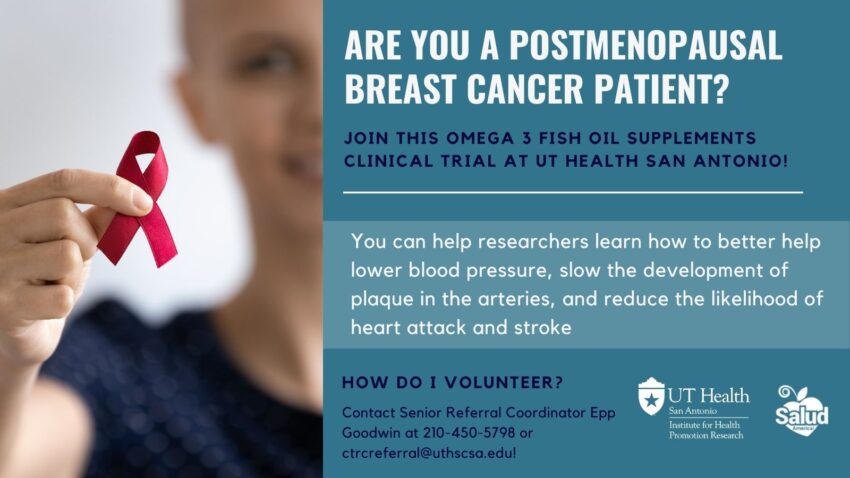
Omega 3 fatty acids are essential nutrients. Studies show omega 3 fish oil—which contains both docosahexaenoic acid (DHA) and eicosapentaenoic acid—may help lower blood pressure, slow the development of plaque in the arteries, and reduce the likelihood of heart attack and stroke. With the rising popularity of omega 3 fish oil supplements, researchers are conducting clinical trials to test their benefits for other health issues. This is why Dr. Andrew Brenner and his team at UT Health San Antonio are seeking volunteers for his clinical trial to explore of how omega 3 fatty acids can impact postmenopausal breast cancer patients. “Fish oil supplements with omega 3 fatty acids have been shown to stop or slow down the growth and development of breast cancer cells in ...
We’re seeking a top-notch communications specialist to join our communication team at Salud America!, our national Latino health equity organization based at the Institute for Health Promotion Research (IHPR) at UT Health San Antonio. The position will write, edit, and communicate health content and messages. This includes digital content curation for the Salud America! project, as well as assisting in the production of numerous IHPR internal and external communication vehicles, such as newsletters, email blasts, presentations, websites, social media, press releases and more. Apply Now!
Details for the Communications Specialist Position
A bachelor’s degree and two years of related experience is required. Also preferred experience includes: Knowledge and/or strong ...
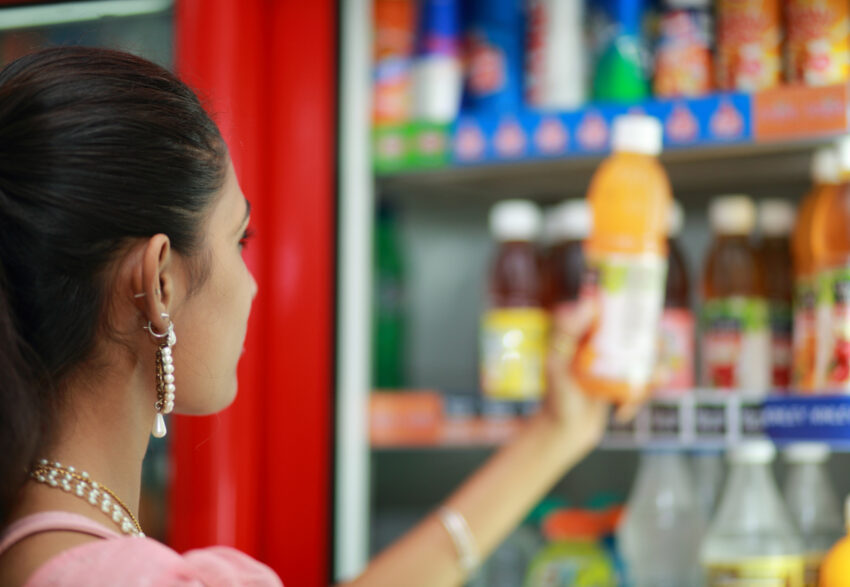
Two years ago, Seattle city leaders passed a 1.75-cent-per-ounce tax on sugary drinks, aiming to reduce consumption of these unhealthy products that contribute to obesity. The tax accomplished its goal – and then some – experts say. Sales of soda, juice, and other sugary drinks dropped by 22% since the soda tax, according to a new study led by Dr. Lisa Powell of the University of Illinois at Chicago. A second study from Powell also found that total sales of added-sugar foods and drinks fell almost 20%, driven largely by the decline in sugary drink purchases. "Our studies show that even after accounting for potential substitution behaviors, like cross-border shopping or selection of other items with added sugars, these taxes have a large, sustained impact on reducing volume ...