After decades of underrepresentation, whitewashing, and villainizing, a spike of positive representation of ethnic minorities, such as Latinos, has swept into Hollywood and mainstream media.
Latino pioneers like José Ferrer, Edward James Olmos, and Rita Moreno broke systemic barriers to play defining roles in an industry dominated by White actors, paving the way for future Latino actors and Latino-led projects to break from the mold.
This success has led to a new wave of notable Latino standouts and projects.
America Ferrera, a U.S.-born Latina of Honduran heritage, nabbed an Oscar nomination for Best Supporting Actress in Barbie (2023). Pedro Pascal, born in Chile, delighted audiences in the titular role of The Mandalorian before taking the lead in HBO’s TV adaptation of video game ...
Only 7.7% of Latino adults in 2021 smoked cigarettes, which is lower than the national prevalence of 11.5%, the Truth Initiative reports. But the news isn’t all good. While Latino adults have a lower usage rate of all tobacco products than adults overall, smoking prevalence differs widely within Latino subgroups and by gender. Let’s explore Latino tobacco use and why it matters for health.
Cigarette Smoking Patterns in Latino Adults
Latinos in the U.S. that identify as Puerto Rican reported the highest current smoking prevalence at 17%. The lowest rates are among Latinos with Central or South American origin (6%), the Truth Initiative reports. Latina women have a lower smoking rates (6%) than Latino men (12%). In 2022, 7.8% of young Latino adults ...
Recently, the FDA sought public comment on strategies to reduce added sugar consumption. Sugary drink consumption, which is heavy among Latino children, represents a large portion of the added sugar intake in the diets of Americans. This increases risk of obesity and disease. Salud America! created a model comment that people could submit to FDA to share five pediatrician-approved ways to limit sugary drink consumption among children! Comments were due Jan. 22, 2024. Update 1/24/24: Salud America! members submitted 260 of the 418 comments that FDA received to reduce added sugars and limit sugary drinks in the American diet!
View the Salud America! Model Comment to Reduce Added Sugars, Sugary Drink Consumption
Greetings, I applaud FDA for seeking public input on reducing ...
Did you know Latino kids consume more sugary drinks—soda, sports and energy drinks, sugary fruit juices, and flavored milk—than the average child? Heavy consumption of sugary drinks puts children at greater risk of obesity and disease. This is why Healthy Eating Research created a new toolkit to help healthcare systems add a beverage screener to their electronic health record (EHR) system to ask parents questions about their child's sugary drink consumption. The goal is to identify "unhealthy beverage consumption patterns in young children and [help] families develop healthy beverage habits," according to the toolkit.
How Can You Start Screening for Sugary Drinks?
The new toolkit shows how health systems can start screening for sugary drinks as part of their electronic ...
We’re seeking a communications specialist to join our communication team at Salud America!, our national Latino health equity organization based at the Institute for Health Promotion Research (IHPR) at UT Health San Antonio. The position will write, edit, and communicate health content and messages. This includes digital content curation for the Salud America! program, as well as assisting in the production of numerous IHPR internal and external communication vehicles, such as newsletters, email blasts, presentations, websites, social media, press releases and more. "The ideal candidate will identify, create, edit, and publish digital and multimedia content to drive awareness and action around health equity," said Dr. Amelie G. Ramirez, director of the IHPR and Salud ...
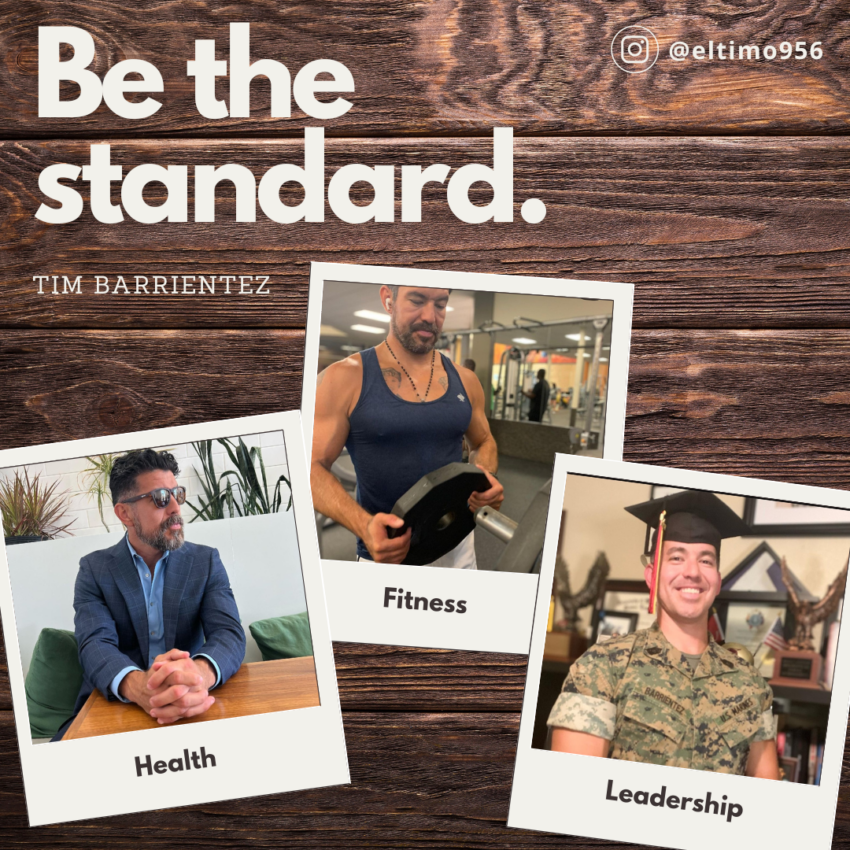
8/22/23 Update: Tim is Salud America!'s latest intern. Read his stories here! 18-year-old Timoteo “Tim” Barrientez wiped a bead of sweat from his brow. It was impossible not to sweat in the hot, humid climate of Port Isabel, Texas – a small coastal town in the Rio Grande Valley. As Tim’s feet struck the pavement, he thought about how he would soon trade his athletic sneakers for military boots. He smiled. After today’s run and weightlifting workout, he would finish packing his bags to begin training as a United States Marine – a career that would last more than 20 years and take him to Iraq, Kuwait, Jordan, Japan, and other countries to defend our nation’s freedom. While serving as a Marine, Tim kept his passion for health and fitness close to his heart. ...
The National Highway Traffic Safety Administration (NHTSA) is proposing to consider pedestrians in their vehicle safety rating system. That is good news for a system that has ignored the safety of people outside the vehicle wherein "pedestrian fatalities have skyrocketed 77% since 2010, compared to 25% for all other traffic-related deaths," according to preliminary data from the Governors Highway Safety Association (GHSA). But the news isn’t all good. NHTSA’s proposed changes to the vehicle safety rating system – the New Car Assessment Program (NCAP) – are insufficient. The changes do not differentiate between pedestrian injury risk and fatality risk, and they fail to fully inform consumers about the true risk to pedestrians from vehicles, lessening the potential ...
A young Erik Cardenas sat quietly in his chair, gently swinging his legs back and forth. He clasped his hands together and observed the clinic waiting room. He could hear some patients chattering with family members in Spanish. Others looked like they could doze off any minute. “Cardenas?” called out a nurse holding a clipboard. Erik sprung from his chair and followed his parents and the nurse into the doctor’s office. He was glad the waiting game was over. “As Mexican immigrants living in Houston, my parents didn't have the best access to healthcare,” a grown Cardenas recalled. “I have a lot of memories of waiting hours at community safety net clinics, and after a multiple hour wait, you were lucky to see the doctor for five minutes.” Cardenas also recalls ...
In the last few years of the COVID-19 pandemic, many of us have come to appreciate the critical importance of public health. In honor of National Public Health Week 2023 (Monday April 3 through Sunday April 9), we’re highlighting an emerging public health concern that impacts health outcomes worldwide: the commercial determinants of health (CDoH). Let’s examine why CDoH is gaining more attention among public health professionals, and how we can address its negative health impacts.
What are the Commercial Determinants of Health?
In the past decade, public health practitioners have noted the growing influence of companies on federal laws and policies. As a result, companies have gained more power in shaping our social, physical, and cultural environments through business ...