The U.S. burden of Alzheimer’s disease and related dementias will more than double within 50 years, and Latinos will suffer the biggest rise, according to a new study from the Centers for Disease Control and Prevention. CDC indicates the total number of Alzheimer's cases will rise from 4.9 million in 2014 to 1.4 billion in 2060. But themost staggering rise is among Latinos: Latinos living with Alzheimer's will rise from 430,000 in 2014 to 3.2 million in 2060. That is a more than seven-fold increase in that span.
African Americans living with Alzheimer's will rise from 573,000 million in 2014 to 2.2 million in 2060.
White (non-Latinos) living with Alzheimer's will rise from 3.7 million in 2014 to 7.4 million in 2050, before starting to decline to 7.1 million in ...
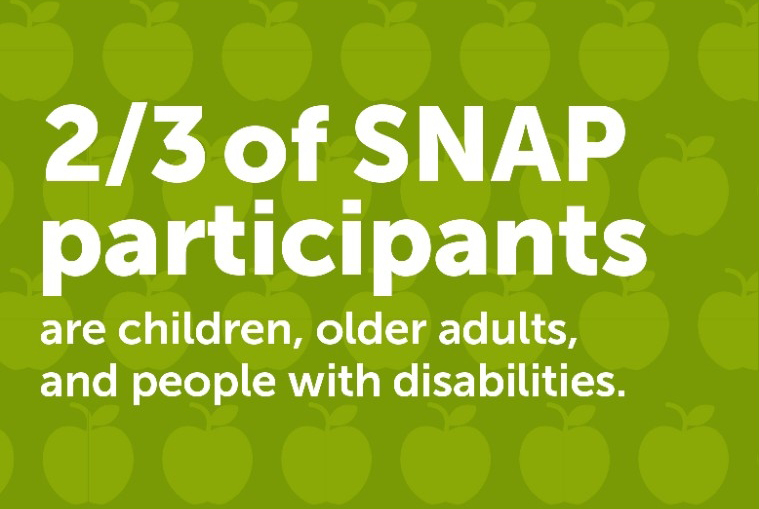
40 million low-income people across the U.S. are in danger of losing a critical lifeline as federal funding for SNAP, commonly known as the food stamp program, hangs in the balance. But just who are these families? What would losing benefits mean? Two new research reports provide an answer.
SNAP & Families
SNAP provides temporary support to help people and families afford food. It is the nation’s largest nutrition assistance program, with $70 billion in funding in fiscal-year 2017. Latinos comprise more than 20% of SNAP participants. But 1 in 11 households who receive SNAP benefits would no longer be eligible under a revised House Farm Bill, according to data from Mathematica Policy Research cited by the recent State of Obesity report from Trust for America's Health ...
We know that U.S. Latinas are 2-4 more likely to get gestational diabetes during pregnancy than non-Latinas, which is a serious threat to these women's health. But did you know sleep habits impact your risk for gestational diabetes? What can we do to help?
Why is Gestational Diabetes Problematic?
Gestational diabetes mellitus is a serious health challenge for pregnant women. It increases risk for caesarean birth and hypertensive disorders. It also can increase the risk of complications during pregnancy and delivery. Still, careful management to maintain normal blood glucose levels can mitigate some of these risks.
How Does Sleep Impact Gestational Diabetes?
Women who average less than 6 hours sleep a night had a 1.7-fold increase in the risk of being diagnosed with ...
People these days are talking about mental health more than ever before, from real mothers to nonprofit groups to NBA stars to entire TV shows. But it's not always clear how to start your own mental health journey. This is especially unclear among Latinos, who face higher rates of depressive symptoms than many of their peers. And fewer Latinos (8%) than whites (14%) reported that their child had ever used mental health care services, according to a Salud America! research review. "If you’re just embarking on your mental health journey, it’s a scary and stressful time," writes Joe Rodriguez of remezcla.com.
6 Big Tips
Rodriguez talked with Latina mental health activist Dior Vargas (formerly of Project UROK) and therapist Omar Torres to create a six-step guide to "help you ...
Adult obesity rates reached 35% in at least 7 states and saw increases in 31 states across the U.S. from 2012-2017, while no significant drops in obesity rates were seen in any state, over the last year. These are the latest findings from a report from the Trust for America's Health and The Robert Wood Johnson Foundation. The report developed using data from the CDC's Behavioral Risk Factor Surveillance Survey (BRFSS) goes on to highlight how adult obesity continued to rise in at least 6 states: Iowa, Massachusetts, Ohio, Oklahoma, Rhode Island, and South Carolina, between 2016-2017. In the case of Iowa and Oklahoma, this is the first time these states reach the 35% obesity threshold. The states with the highest levels of obesity by rank are: #1- West Virginia ...
For years, studies have shown that Latinos have a profound mistrust of doctors and scientists. Consequently, Latinos participate in clinical trials at far lower rates than other ethnic groups, which perpetuates the health disparities seen with many diseases like Alzheimer’s and certain cancers. This also makes it harder for researchers to find treatments that work best for Latinos. Minorities actually represent less than 30% of those enrolled in clinical trials sponsored by the National Institutes of Health (NIH), according to a recent report. Latinos comprised less than 7.6% of trial participants. “There hasn’t been a single [prostate] screening trial including a significant number of Latinos or blacks … yet it impacts our practice and we have no data to know if it ...
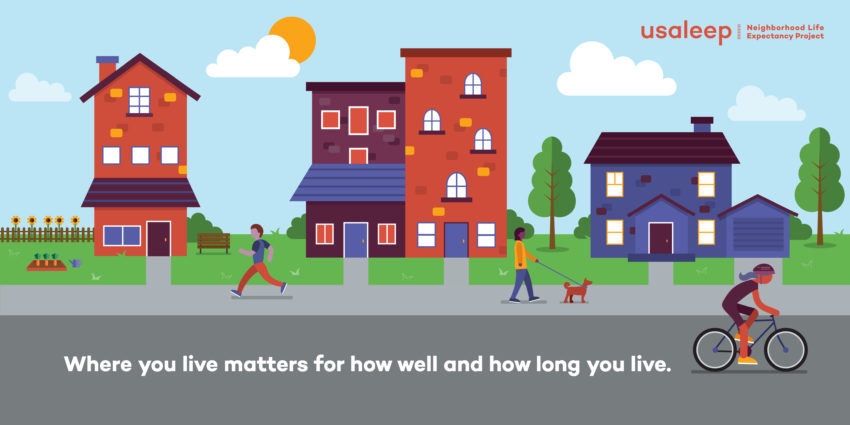
These days, ZIP code isn’t only for your mail. ZIP Code is a bigger predictor of our life expectancy than our genetic code. For the first time in our country’s history, the U.S. is raising a generation of children who may live sicker and shorter lives than their parents, according to the Robert Wood Johnson Foundation. But there’s good news. For the first time ever, a census-tract-level data on life expectancy at birth has been released to help stimulate change. The expectancy estimates—released by The United States Small-Area Life Expectancy Estimates Project (USALEEP), a joint effort of the National Association for Public Health Statistics and Information Systems, the Centers for Disease Control and Prevention’s National Center for Health Statistics, and the ...
Where we live plays a significant role in our healthcare. But many Americans don't have easy access to the healthcare they need. In the United States, 5% of rural hospitals have shut down since 2010 with maternal and obstetric care taking the hardest hit. About 16% of the mainland United States are 30 miles or more away from the nearest hospital, CNN reports. These areas with no access to a hospital are called "hospital deserts." Many regions that are hospital deserts also have higher rates of poverty and income gaps, leaving many residents with no options for emergency or regular healthcare. "There's a lot of people out in the rural community who feel like they've been forgotten," Jessica Thompson, a registered nurse who lives in a hospital desert in Tonopah, Nev., told ...
Food swamps cover large parts of the Dallas area. In fact, almost 700,000 Dallas County residents—including more than 245,000 children—live in low-income communities with limited supermarket access, according to a Dallas Morning News report.
Food Swamps & Latinos
We already know that food deserts and food swamps are making low-income Latinos obese. A food desert is an area more than 2 miles or 15 minutes away from a grocery store. A food swamp includes a food desert and a high-density of stores and restaurants that offer high-calories fast food and junk food, relative to healthier food options. It can be hard for Latina mothers to navigate food swamps. For Dallas’ Latino and black populations in areas like Pleasant Grove, Oak Cliff, and East Dallas, food ...