Our roads and walkways could be our path to good health and wellbeing. But cities are stuck in a rut of prioritizing cars over people. Thankfully, over the past decade, many organizations are contributing to the growing body of health and safety research and advocacy to influence transportation projects and policies.
Knowing the Impact
In 2012, the Robert Wood Johnson Foundation released a research brief and infographic on how transportation affects health. “Health costs associated with traffic crashes, air pollution, and physical inactivity add up to hundreds of billions of dollars each year, but health is typically not considered in transportation policy and planning,” the 2012 Health Policy Snapshot Issue Brief states.
Changing the Speed Limit
In 2011, the AAA ...
Only 1 in 2 big U.S. localities—500,000 or more people—have a local board of health, compared to over eight in ten small localities—less than 50,000 people. That means half our big cities miss out on public input on important health decisions. Half our big cities do not connect their local health departments to the community they serve or other public officials. Here are some benefits of having a local board of health for your city-and for you.
What a Local Board of Health Does
A local board of health provides community oversight and guidance for local health departments. They help set public health priorities for communities. According to the Centers for Disease Control and Prevention, the top ten responsibilities of local boards of health are: Review public health ...
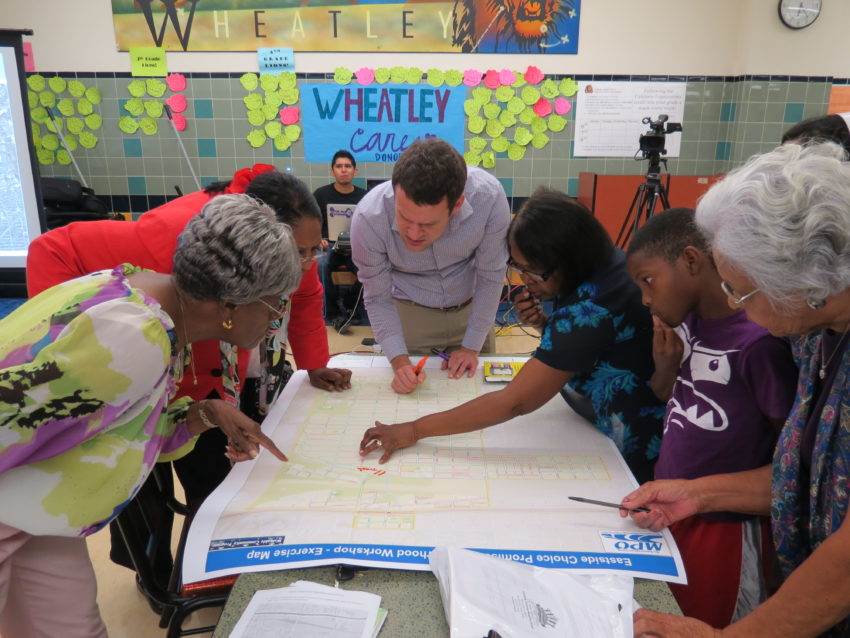
A new action-oriented guide is available to foster collaboration between the health sector and the organizations working to improve the conditions of poverty, known as the community development sector. Collaboration among these sectors is critical because more than 80% of the nearly $3.5 trillion spent on medical care each year in the U.S. is spent on treating chronic diseases, most of which are preventable and related to the conditions of poverty. Latinos and low-income populations are disproportionately burdened by the conditions of poverty, thus face higher rates of chronic disease.
Conditions of Poverty
Health is not created in a doctor’s office, it is created in healthy, equitable, and prosperous communities. However, not all communities were created equal. Some have ...
Air pollution is the world’s greatest environmental health threat. Sadly, Latinos and other minorities breathe 38% more polluted air than whites. It’s even worse in California, where the Latino (39.1%) and Black (6.5%) populations live in regions with the dirtiest air in the state, according to a new environmental report from California Environmental Protection Agency. "These folks primarily live in low-income, disadvantaged communities often found near ports, warehouses, rail yards, and factories that foul the air, pollute the water and rain toxins down on playgrounds, parks and backyards," writes Rocky Rushing of the San Francisco Chronicle about the new report.
California Air Quality
In California, 44% of Latinos live in communities with poor air quality, compared to ...
More than 150 worldwide medical experts issued a manifesto to fight liver disease, called NASH (nonalcoholic steatohepatitis), as part of the first-ever NASH Day on June 12, 2018. But just what is NASH? Why is it so important to Latinos?
NASH and Our Diets
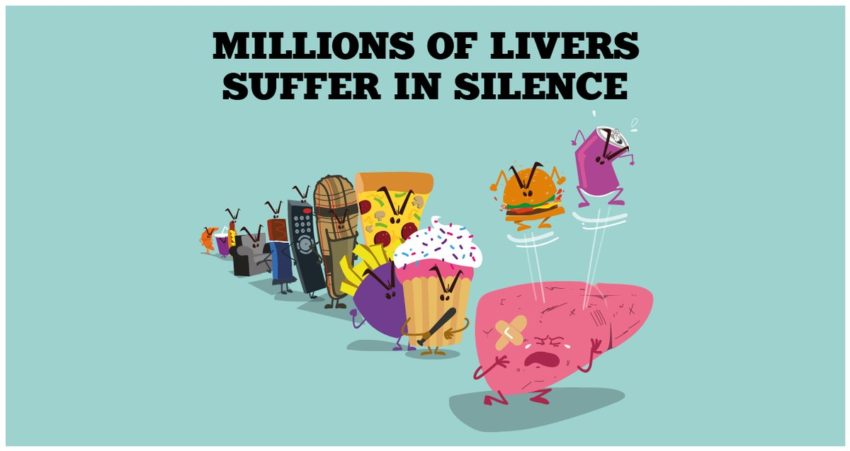
NASH is a liver disease that stems from high-sugar, high fat diets. "To compensate, [our livers] start storing excess fat. If nothing changes, such as diet or exercise, our livers get inflamed — which is what we call hepatitis. Eventually, the disease progresses to nonalcoholic cirrhosis, liver failure, liver cancer, the need for a liver transplant and even death," according to a San Antonio Express-News report. NASH is a rising public health threat for several reasons. It could lead to needing a liver transplant, which ...
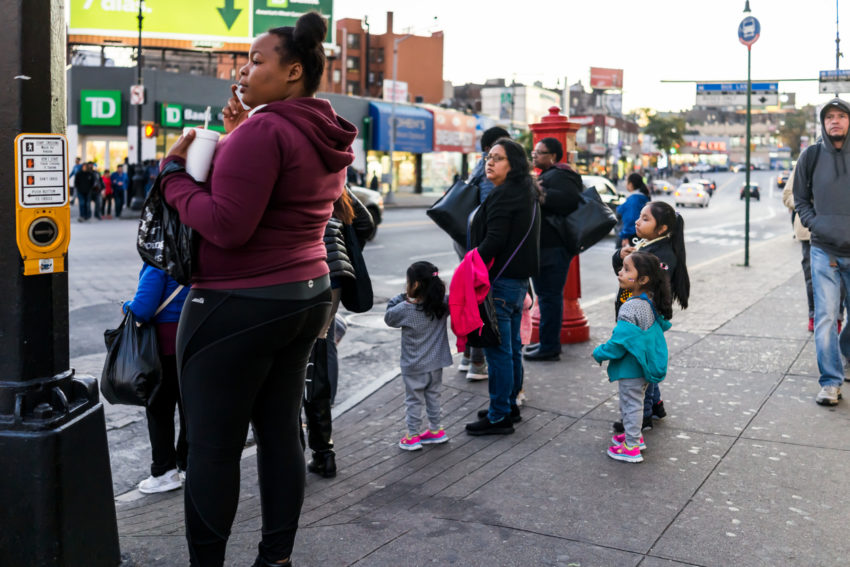
Transportation affects health. Latinos, for example, often face unsafe streets and big transportation hurdles that make it hard, costly, and even deadly to access basic and health needs. They end up suffering higher rates of disease, diabetes, depression, pedestrian injuries and deaths, and more. Yet transportation and public health professionals don’t always get together for solutions. Fortunately, the Transportation Research Board is enabling these connections. The Board created its Health & Transportation Subcommittee in 2011, hosted a topical conference and magazine edition in 2015, and will carve out space in its 2018 annual meeting to explore this topic. “[We aim] to identify, advance and publish research and information to expand and improve current ...
We know that children of migrant workers, who are predominantly Latino, grow up exposed to a high level of trauma, such as neglect, abuse, poverty, and low access to healthy food and safe places to play. Separation between parents and children also is "incredibly harmful," according to a report. Zoe E. Taylor, a researcher at Purdue University who is studying mental health and resiliency in the children of Latino migrant farmworkers, says parent attachment is critical to childhood well-being. "In these populations, teens are used to contributing to the family and the value of family has tremendous cultural significance," Taylor said, in a press release. "These teens may have additional burdens, making this an even more stressful situation. And at the same time, they are often a ...
U.S. Latinos are 1.5 times more likely to develop Alzheimer's disease than whites. But the reasons for this big disparity is still poorly understood—and highly controversial. Scientists believe that many factors influence when Alzheimer's disease begins and how it progresses. The more they study this devastating disease, the more they realize that genes play an important role. Research conducted and funded by the National Institute on Aging at the National Institutes of Health and others is advancing our understanding of Alzheimer's disease genetics.
Genetic Mutation in Alzheimer's Disease
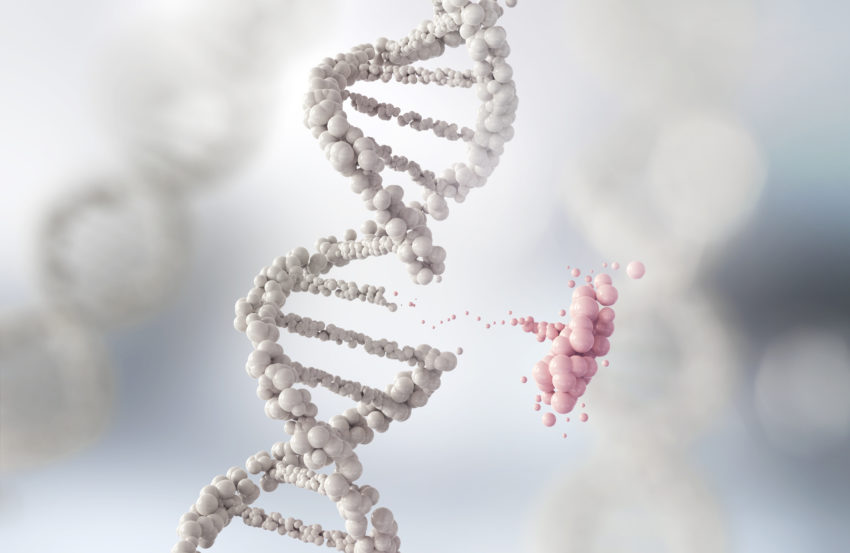
Some diseases are caused by a genetic mutation, or permanent change in one or more specific genes, according to a fact sheet by the National Institute on Aging. If a person inherits ...
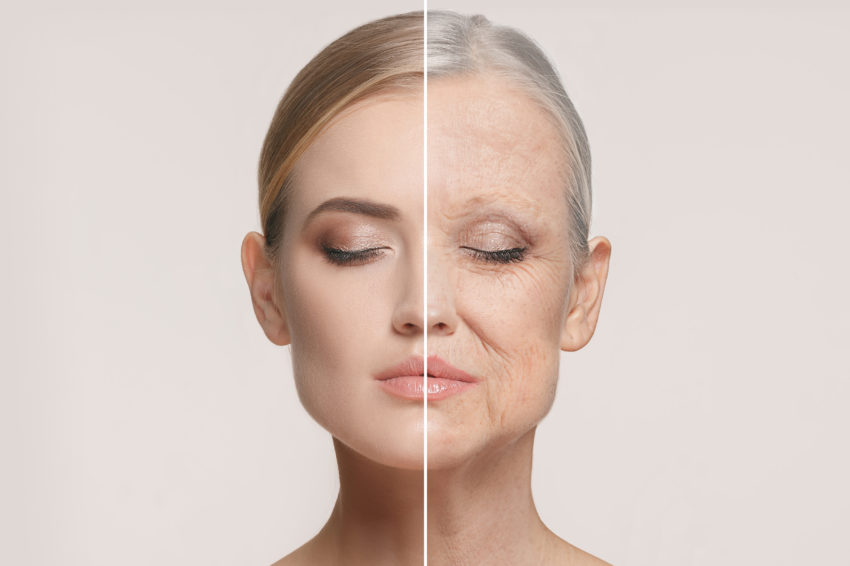
The steady increase in human average life expectancy in the 20th century is considered one of the greatest accomplishments of public health. A person’s rate of aging has important implications for his/her risk of death and disease. Now scientists have developed a blood test that reveals how long a person has left to live, The Guardian reports. Researchers at Yale School of Public Health used a nationally representative U.S. sample to derive a person's “Phenotypic Age” based on 34 a linear combination of chronological age and nine multi-system clinical chemistry measures. The study result suggested that Phenotypic Age is significantly associated with all-cause mortality and cause-specific mortality. If a person’s phenotypic age is higher than their chronological ...