Effect of alcohol consumption on Alzheimer’s disease have been controversial. Some studies show alcohol has a protective effect against the disease, while other studies have pointed to a harmful role for alcohol in the development of Alzheimer’s disease and other neurocognitive diseases. A new study from the University of Illinois, Chicago found that some of the genes affected by alcohol and inflammation are also concerned with beta amyloid peptides. These peptides form the main component of the amyloid plaques found in the brain of Alzheimer’s patients, which causes negative impact on communication between the neurons. The study suggests that alcohol consumption, and its impact on the immune system and inflammation in the brain, may be the vehicle through which alcohol ...
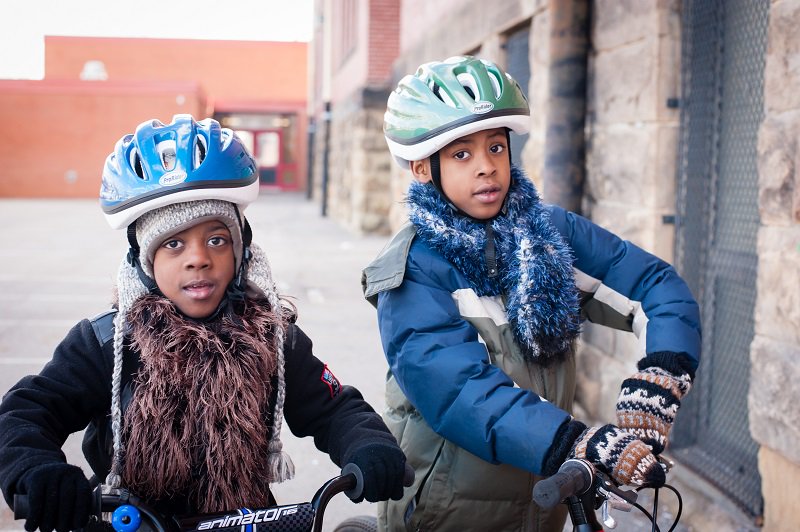
The Safe Routes to School National Partnership (Safe Routes) is raising awareness to end over-policing as a safety solution in walking and biking initiatives. Racial profiling by police, for example, threatens drivers, pedestrians, and cyclists of color. These Latinos and other minorities, who already face less safe roads and fewer places to walk and bike, deal with a greater burden of traffic and pedestrian violations, too. Safe Routes wants you to stand up for minorities by sharing on Twitter, Facebook or Instagram. “As walk and bike advocates, we need to come together to protect people in communities made vulnerable not only by missing and poorly maintained bike lanes and sidewalks and inequitable policies, but also by over-policing,” wrote Holly Nickel, coalitions and ...
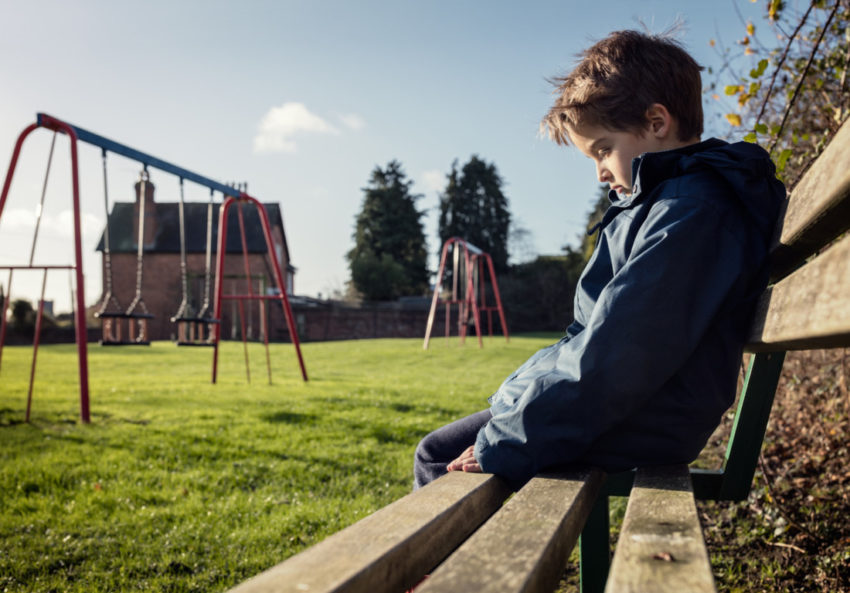
Our own Amanda Merck recently joined HiMama’s The Preschool Podcast to talk about addressing childhood trauma in early childcare and schools to build better futures for Latino and all children. HiMama, which offers tools to help educators improve childhood development, hosts The Preschool Podcast every Tuesday with its co-founder and CEO Ron Spreeuwenberg and a guest. Merck, who curates content for Salud America! on early childhood development, joined podcast episode #103, Impacts of Trauma and Adverse Childhood Experiences, on July 3, 2018. Merck spoke about the critical formative years from 0 to 5 in a child’s development and how childhood trauma, like abuse and poverty, affect a child’s body and brain. However, early childcare educators are rarely trained to deal with ...
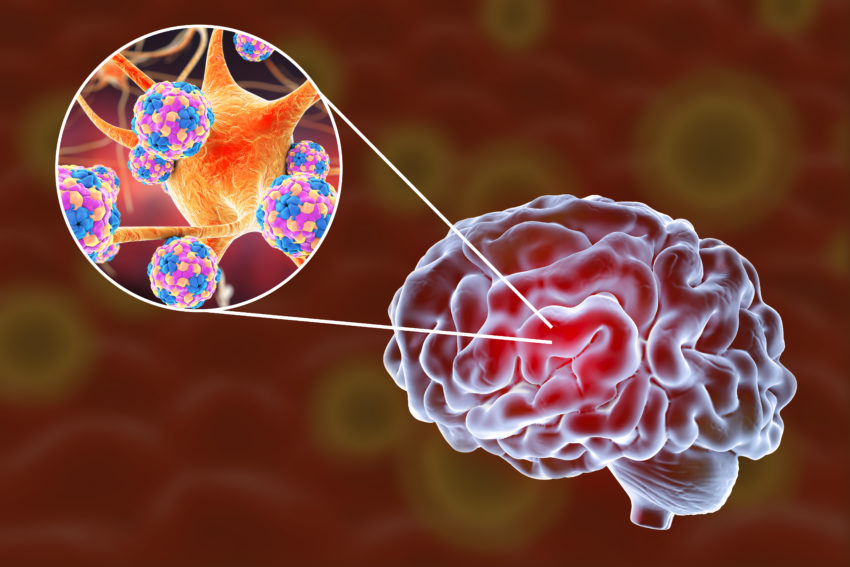
A childhood virus that infects almost everyone and lies dormant in the body for life might be involved in Alzheimer’s disease, NBC News reports. A recent study by the Icahn School of Medicine at Mount Sinai examined 622 brains afflicted with Alzheimer’s and 322 disease-free brains. Researchers found increased levels of two Roseoloviruses—human herpesvirus 6A (HHV-6A) and human herpesvirus 7 (HHV7)—interacting with gene networks in areas of the brain that are known to be affected in Alzheimer’s Disease. HHV-6 and HHV-7 cause roseola, a disease that usually infects babies and toddlers and is found in 90% of U.S. children. Roseola usually causes a fever and sometimes a rash and rarely causes complications, although it can cause a dangerous brain inflammation called ...
Water is a key ingredient for every good Fourth of July party, whether you are poolside, at the beach, or at a family barbecue on this sweltering summer day. That's because drinking water can keep you hydrated as you sweat outside. Sweating during the sizzling heat of July can lower the body's water level. This can cause dehydration. It can affect normal bodily functions in the heart, brain, and lungs. So how much water do the experts order? "To avoid dehydration, active people should drink at least 16- 20 ounces of fluid one to two hours before an outdoor activity. After that, you should consume 6 to 12 ounces of fluid every 10 to 15 minutes that you are outside," according to the Cleveland Clinic website. "When you are finished with the activity, you should drink more. How ...
Most Americans view child abuse and neglect as a public health problem, a sentiment more strongly shared among Latinos (81%) than their White (76%) and Black (74%) peers, according to a new survey. The national survey of adults, led by Research!America and the National Foundation to End Child Abuse and Neglect, also found that Latinos were more likely than their peers to list child abuse and neglect as local problems, too. More than 1 in 3 Latinos also said they know know someone who has experienced child abuse and neglect. “The survey reveals that child abuse and neglect is all too pervasive and must be addressed as a public health problem,” said Mary Woolley, president and CEO, Research!America. “Robust funding for research and public health programs is essential in order ...
Healthy mind. Healthy body. Health baby. Whether you are planning to get pregnant now, next month, or in the future, preconception health is extremely important for Latino and all parents. When you hear about preconception health, one often assumes this responsibility lies with the women, but a man's health can be just as important when it comes to having a healthy baby. At a population level, preconception health can drastically improve birth outcomes by reducing the number of babies born prematurely or at low birth weights, according to the CDC.
What should both partners do before planning a pregnancy?
For Latino and all families, preconception health should involve both partners wanting to take initiative to improve the chances of a healthy pregnancy. Regardless of ...
Women who eat a lot of fast food may take longer to become pregnant and be more likely to experience infertility than those who rarely eat fast food, Reuters reports. Women who ate fast food at least four times a week had a 16% risk of infertility and failed to conceive after 12 months of trying, according to a study by the Robinson Research Institute and the University of Adelaide in Australia of 5,598 first-time mothers in Australia, New Zealand and the UK. The risk was only 8% in women who rarely or never ate fast food. This has big implications for Latinas' fertility and the food environment.
Latinas and Fertility
"In families of color, there’s an assumption that when you want to get pregnant, you get pregnant," one woman told the New York Times a few years ago. But ...
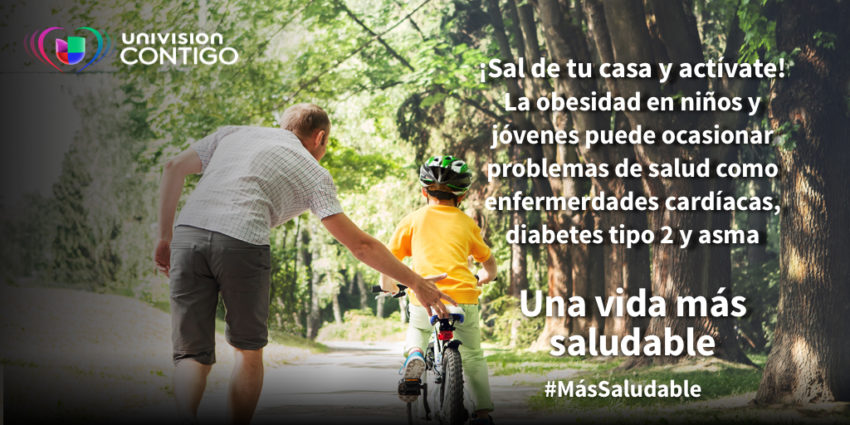
Salud America! is excited to serve as a partner with broadcasting company Univision's new national campaign to promote Latino health this summer. The campaign, Univision Contigo's Una Vida Mas Saludable, aims to inform, entertain and empower our Latino communities to live healthier. The campaign runs from June 18 to July 14. "Univision will cast a spotlight on various health issues impacting the Latino community," according to Univision. "[That includes] being active outdoors, addressing mental health in the Latino community, providing health and wellness tips, and discussing the importance of healthy aging."
How We're Getting Involved
Salud America! is partnering with Univision. We will share Univision Contigo's Una Vida Mas Saludable messages with the hashtag #MasSaludable. ...