Latinos say they face bigger transportation struggles and public health issues than non-Latinos in Atlanta, and they're willing to pay higher taxes to improve public transportation, according to a new survey. The Atlanta Regional Commission's annual survey ask Atlanta residents their views on transportation, education, health, and more. Overall, residents tabbed transportation as their top concern for the fourth straight year. Transportation is a big deal because it affects day-to-day life. It also affects mental and physical health, professional success, and climate change. Yet, transportation looks very different across the country. Cities with poor transportation options are often burdened by health disparities, economic segregation, and poor air quality. For example, many ...
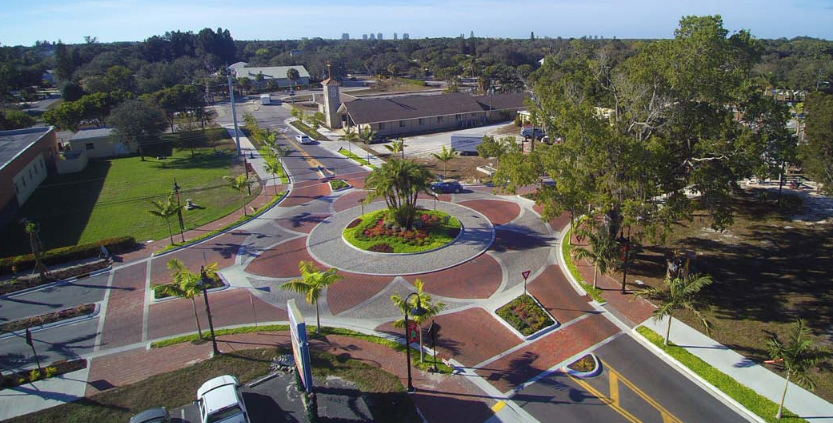
Bonita Springs, Fla. (31% Latino) and Las Cruces, N.M. (60% Latino) were among 12 cities recognized in "The Best Complete Streets Initiatives of 2017" report by the National Complete Streets Coalition of Smart Growth America. Complete Streets policies direct transportation planners and engineers to design streets with all users in mind. That includes people who walk, bike, take public transit, carpool or drive. This, in turn, helps address chronic disease, equitable economic growth, and reduced car dependence. The National Complete Streets Coalition sought exemplary examples of Complete Streets and advocates in 2017. Using their 100-point grading system, they selected the 12 Best Complete Streets initiatives. In many communities, roads and streets are barriers to access ...
In this webinar, Salud Hero Kymberly Lacrosse who works with Latino youth to help bring healthy changes to their community shared her personal story as well as experiences working with Jóvenes SANOS. If you missed the webinar be sure to see check it out here. Every child, teen, or young adult, needs someone they can count on to guide them in the right direction. For many, mentorship and opportunities for leadership can go a long way, even changing one's life course trajectory. Despite the great importance of these opportunities many Latino youth lack mentorship and report a feeling of "disconnectedness." Nearly 15% of Latino youth are reported to be disconnected from opportunities, leading to less education, unemployment, and increased rates of childhood poverty, ...
Salud America! Guest Blogger
Toby F. Handler, MD, Advanced Urology Centers of New York Anybody can get a urinary tract infection (UTI). A UTI occurs when part of the urinary system (kidneys, bladder, or urethra) becomes infected with bacteria. Many UTIs are painful but not serious, unless the infection reaches the kidneys. UTIs are preventable and treatable. Many Latinos are increasingly concerned and have unanswered questions about UTIs.
Who Gets UTIs?
UTIs don’t discriminate based on race/ethnicity. Latinos are just as likely to get a UTI as any other ethnic group, studies show. UTIs are much more common in Latina women than in Latino men. Approximately 50-60% of adult women have had at least one UTI. That’s because women have a much shorter urethra which is ...
Most early childcare providers deal with children who have experienced or will experience neglect, poverty, or other traumatic events that can harm long-term health. But not all providers know how to best help these children. Fortunately, a new report from Child Trends and the National Center for Children in Poverty, is giving childcare providers guidance in dealing with children of trauma.
How Early Childhood Trauma Affects Kids
Trauma is a sad fact of life for many children. Whether its child abuse or witnessing domestic violence, trauma can impair a child's body and brain development. It also can hinder learning and the ability to develop healthy relationships across the lifespan. Latino kids exposed to many traumatic events are at higher risk for obesity, asthma, heart ...
Does your city, county or state have a Complete Streets policy to promote the safety of drivers, pedestrians, cyclists, and all? Researchers at the University of Illinois at Chicago would love to know! You can nominate of public health agencies and advocates who help develop, adopt, and implement Complete Streets policies from 2013-2018 for a "Complete Streets and Public Health" recognition. Nominations are accepted from now to March 30, 2018.
Why Complete Streets?
Many Latino communities lack safe places to play and be active, according to a Salud America! research review. This can often lead to fewer opportunities to be physically active. Complete Streets policies can help. Complete Streets are equitable for all users—drivers, pedestrians, bicyclists, and commuters ...
Swimming is one of the most promising physical activities to get Latino kids active in and out of school. But as many as 6 in 10 Latinos do not know how to swim. Fortunately, people are stepping up to help. A Florida program gives out coupons for free swim safety classes. Detroit is combining swimming and literacy. And recently a Holocaust survivor helped a YWCA put together the Los Pecesitos ("The Little Fishes”) program to help Latino kids learn to swim in Tulsa, Okla. "What we know is that the drowning rates for children of color are two to three times higher than that of Caucasian children,” said Lacey Thompson Caywood, director of health and wellness for the Tulsa YWCA. “So there was a need for basic swim lessons.” In addition to preventing drowning, swim ...
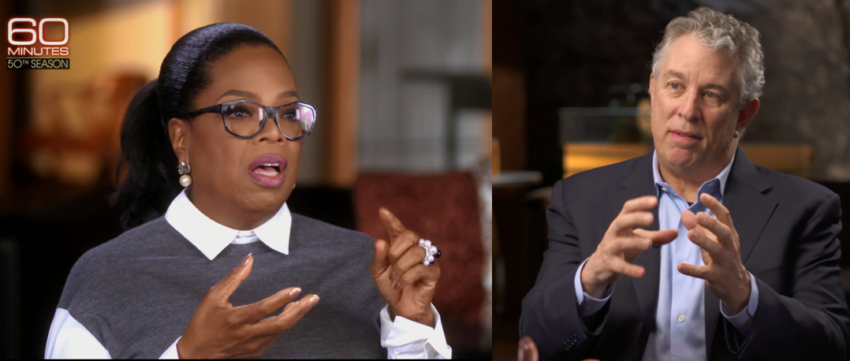
Oprah Winfrey is raising awareness about childhood trauma and the need for trauma-informed care. Childhood trauma—like abuse, neglect, and poverty—changes a child's brain, body and behavior. Behavior is often the first "red flag" of trauma. But too often caregivers, teachers, and law officers misinterpret that red flag as "bad behavior" that needs "fixing." They are rarely trained on the science of childhood trauma and how it affects Latino and all children. That is why Oprah Winfrey returned the city where she grew up facing poverty, sexual abuse and other negative experiences to explore the science of childhood trauma on 60 Minutes with trauma expert Dr. Bruce Perry.
Science Behind Adverse Childhood Experiences
What started as inquiry into high patient drop-out rates ...
Latino cancer survivors who were satisfied with their care had higher quality of life and more confidence dealing with their doctor, emotional distress, and daily activities than those less satisfied with their care, according to a new study by UT Health San Antonio and Northwestern University. The study, published in Cancer, surveyed 288 Latino breast, prostate, and colon cancer survivors in San Antonio and Chicago about patient satisfaction with cancer care influences their quality of life and confidence managing different aspects of their cancer experience. Overall, Latino cancer survivors in the study reported lower health-related quality of life than that of non-Latino white survivors in previous studies. Latino survivors who reported more satisfaction with their cancer ...