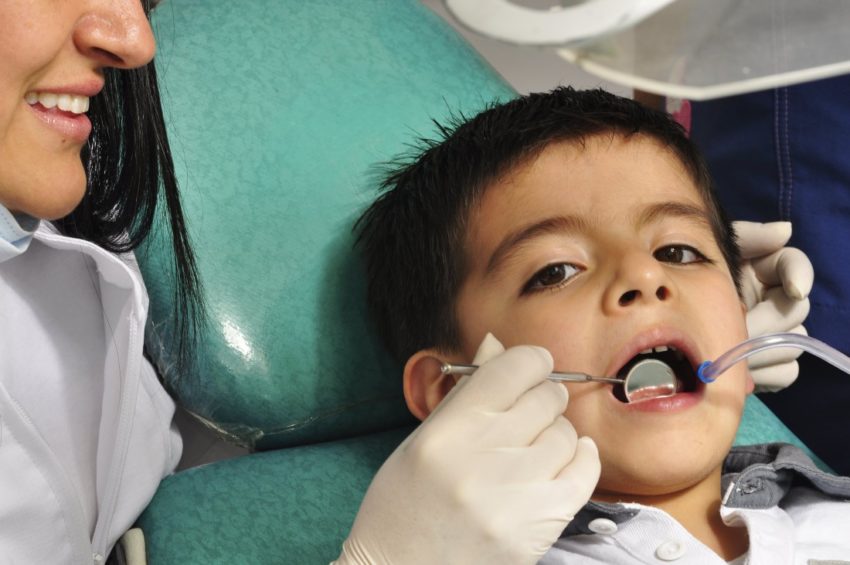
February is National Children’s Dental Health Month! Parents, this is a great time to take another look at the best ways to prevent cavities for you and your kids.
Why is this important to you?
To be healthy, kids need to have healthy mouths. Mouth pain means that kids miss school and parents miss work, and dental treatment can be expensive or hard to access. Poor oral health can lead to infections, nutritional problems, and affect a child’s overall well-being. Latino kids suffer more than other kids from tooth decay, from baby teeth up through permanent teeth. Latino kids from families with lower incomes have the highest rates of severe and untreated decay. So what can you do?
1. Drink water instead of soda pop, juice or other sweetened beverages
Water is essential ...
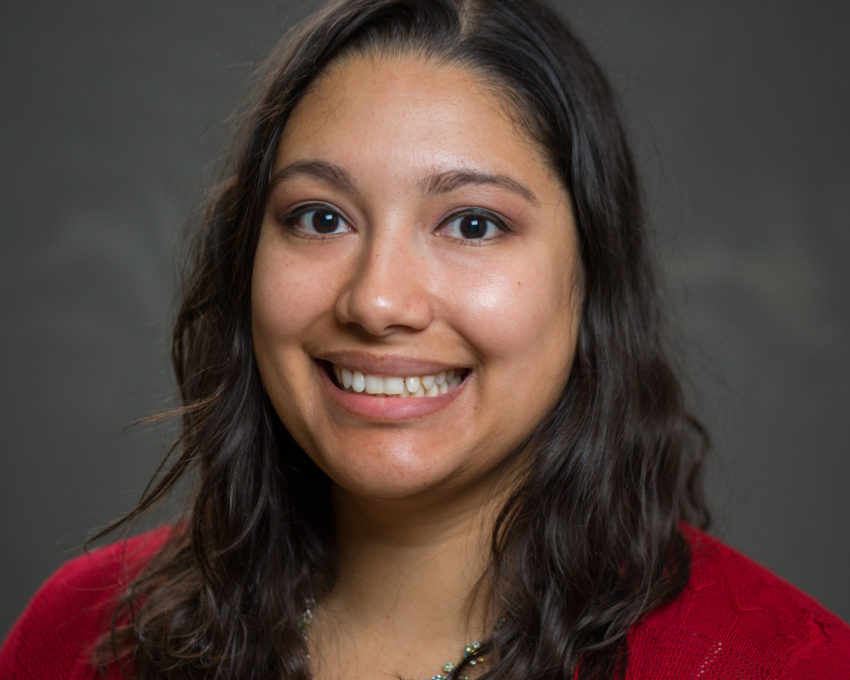
A great leader must have tremendous understanding, and a keen ability to see from other people’s perspectives. Geraldine Massuh is such a leader. Massuh, spurred to reduce public health issues her experiences as a first-generation bilingual daughter growing up in Queens, New York, has taken big leadership roles in improving healthcare quality for Latinos and all people. Massuh, who earned her master’s degree in public health in health policy and management from Columbia University in 2016, is currently a healthcare management and diversity strategist, currently consulting on nationwide projects for CulturaLink on linguistic competence. She also serves as an associate director, associate board member, and editor-in-chief for the Association of Hispanic Healthcare ...
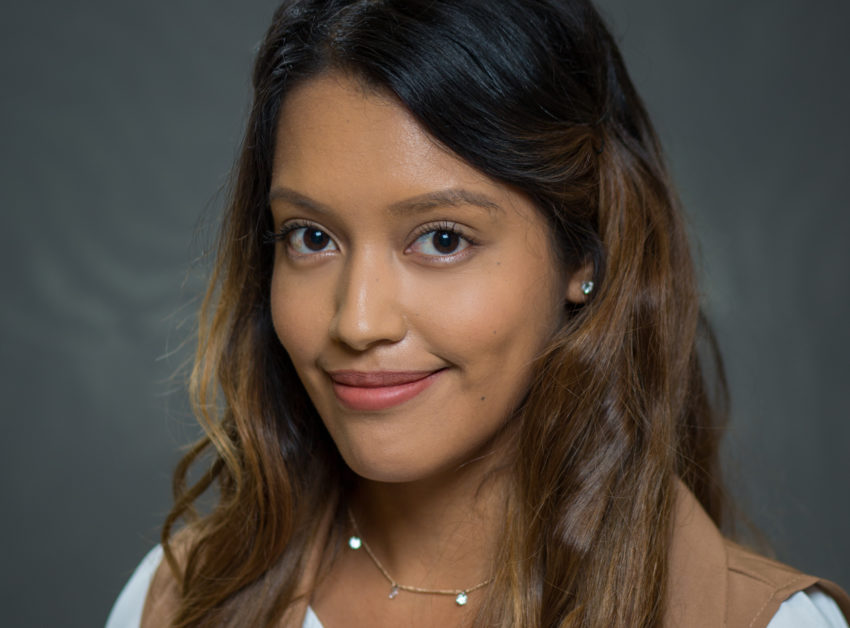
Sheila Mota is the embodiment of resiliency. The Utah native has overcome a debilitating illness and the loss of her father to cancer, and is now committed to improving the delivery of healthcare and increasing the quality of life of those who “grew up on the wrong side of the train tracks.” She is a master’s-degree student in public health and healthcare administration at the University of Utah. She also is a health educator at the Health Advocate and Interactive Health, Inc., and is a certified medical assistant at Granger Medical Clinic in West Valley, Utah. She already has experience in front-line patient care and the design and implementation of programs to address health promotion and wellness, especially among the underserved. To further her training and ...
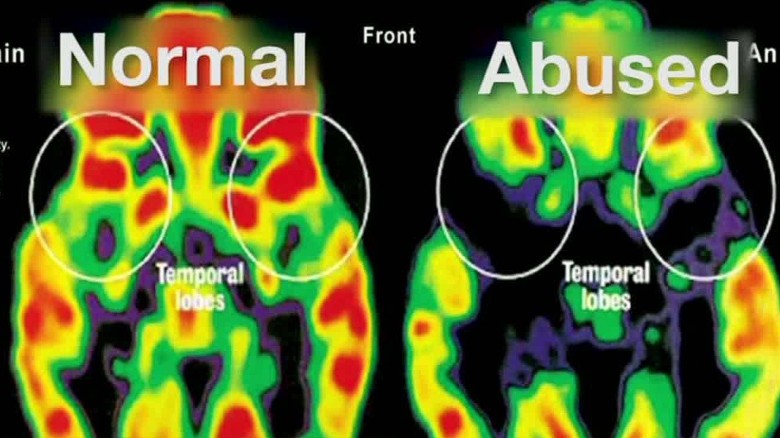
Children don't magically "get over" trauma when they turn 18. Trauma, toxic stress, and adverse childhood experiences permanently change a child's body and brain, which can have serious, lifelong consequences, according to a recent report from the Center on the Developing Child at Harvard University. Here are four ways trauma can overload a child's developing system: 1. Hormone level changes: Cortisol and adrenaline are the "stress hormones" that help you react to a perceived threat or danger by directing blood flow to major muscle groups and bypassing the thinking part of the brain to activate the survival part. High levels of these hormones keep your blood pressure elevated, which weakens the heart and circulatory system; keep your glucose levels elevated, which can lead ...
Araceli Guzman wants to make a difference for the Latino community. The California native is off to a good start. Guzman recently became her family’s first college graduate after earning a bachelor’s degree in public health promotion at California State University of Northridge. Now she is working on a master’s degree in public health, and gaining valuable research experience helping Latinos with disaster preparedness and working with Latinos in a reproductive health clinic. To further her training and education, Guzman applied for the Éxito! Latino Cancer Research Leadership Training program. The program, led by Dr. Amelie G. Ramirez at UT Health San Antonio with support from the National Cancer Institute, recruits 25 master’s-level students and professionals each ...
For the first time since the passage of the Affordable Care Act (ACA) in 2012, the rate of uninsured Americans rose during the fourth quarter of 2017. The uninsured rate rose 1.3 percentage points from to 12.2% from its all-time low of 10.9% at the end of 2016, CNN Money reports according to a Gallup Poll. The increase reflects roughly 3.2 million new uninsured Americans in the U.S. The uninsured rate for both blacks (2.3 percentage points) and Latinos (2.2 percentage points). The ACA-based healthcare exchanges opened in 2014, the same year that Medicaid expansion began. One of the central tenets of the ACA was its individual mandate, which required all Americans to obtain health insurance or incur a tax penalty. Those circumstances were credited with helping reverse the ...
Update: In December 2018, Healthy Equity Award prize winners were selected! Winners include Janeth Tapia of North Carolina Farmworkers Project in Benson, N.C., which provides access to affordable, quality health care for a population that is often politically marginalized and isolated Tapia educates health care providers about the hazards that farm workers face, and she helps farm workers take charge of and advocate for their own health. The program provides transportation and volunteer translators for medical visits, and it has worked for extended clinical hours so farmworkers can get care at night or on weekends. Have you worked hard to improve access to quality care, education, or the environment for Latinos or other minorities? Then you could win the Health Equity ...
Thanks to her spiritual “Lita” who was a friend to all, Elena Martinez was taught to love all. And Martinez has already applied her caring attitude to the benefit of many people here in San Antonio, having actively participated in programs on obesity and cancer prevention, immunization education, health literacy, and youth mental health awareness. Martinez, a Dallas native, is currently a master’s-degree student in health and kinesiology at UT San Antonio. She earned a Certified Health Education Specialist status in 2013 and has helped plan and evaluate health initiatives and programs for all age groups in San Antonio. She also has played an active role in Building a Healthy Temple, a chronic disease prevention program at UTSA under Dr. Meizi He, since 2015. To further ...
More kids in Philadelphia experience four or more childhood traumas (21.5%) than kids across the nation (14.3%). Multiple traumas like abuse, parental death, racism, fear of deportation, and others—known as adverse childhood experiences (ACEs)—can significantly impact a child's brain development, academic achievement, and physical and mental health into adulthood. Latino kids are at high risk of multiple traumas, and acting out. That's why we are excited to see three philanthropic groups team up in Philadelphia (14.4% Latino) to create a new guide to help funders and groups focus on bringing trauma-informed care for local kids. Trauma-informed care shifts the outlook from "What's wrong with you?" to "What happened to you and how can we help?" "Understanding the ...