The FDA is making a series of new enforcement and regulatory steps to crack down on JUUL e-cigarettes, which is big for Latinos who are increasingly using e-cigs. JUUL e-cigs resemble a USB flash drive and come in flavors very popular among young people. A single JUUL cartridge is equal to about a pack of cigarettes, or 200 cigarette puffs. The FDA is planning or taking these actions: A national undercover blitz to crack down on the sale of e-cigs–specifically JUUL products–to minors at both brick-and-mortar and online retailers.
Contacted eBay to raise concerns over several listings for JUUL products on its website.
Contacted JUUL manufacturers directly to submit product marketing and research information to better understand the health implications and youth ...
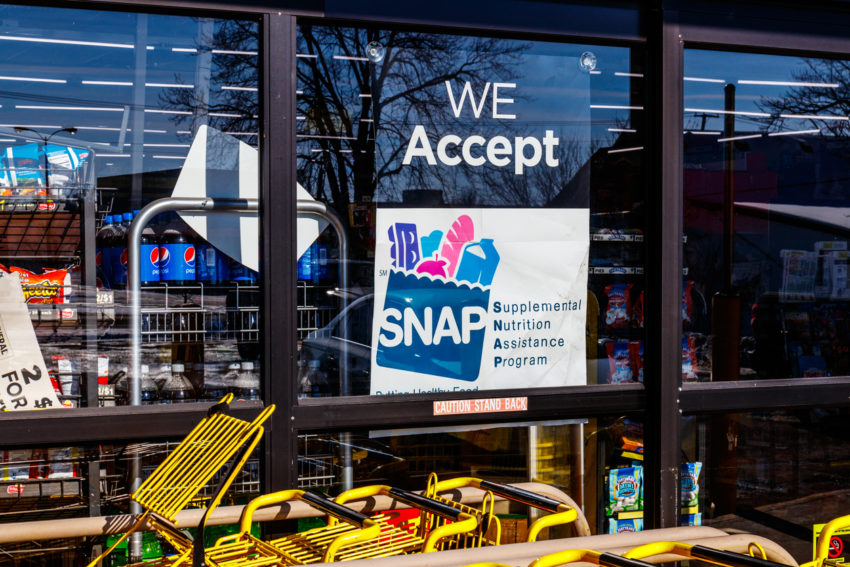
UPDATE: After the U.S. House failed to pass the Farm Bill on May 18, 2018, reports surfaced June 20, 2018, that the U.S. House will "take a second look at their version of the Farm Bill, which again would jeopardize SNAP. A proposal to cut $20 billion over the next 10 years from the Supplemental Nutrition Assistance Program (SNAP) program as part of the proposed Farm Bill would dramatically impact Latino health, according to various reports. Latinos comprise more than 20% of participants in SNAP, commonly known as food stamps. SNAP benefits Latinos in a variety of ways, from accessing healthy food to lifting them out of poverty. Cuts to SNAP in the proposed Farm Bill, set to expire in September 2018, could jeopardize that aid by cutting support and adding barriers to ...
Latino college students are far less likely than their white peers to complete their degree, and more likely to still be enrolled beyond six years on their path to a degree, according to a new report. The report, College Completion through a Latino Lens, is from Excelencia in Education. They examined the Latino-focused findings from an analysis of college completion rates by race/ethnicity from a 2010 student cohort, which was led by the National Student Clearinghouse Research Center. Key points from the Excelencia in Education report show: About 45.8% of Latino students earned a 2- or 4-year degree within six years. This is a lower completion rate than their White peers (62%) and higher than their Black peers (38%). One in every five Latino students were still “in ...
Why should Latinos care about their eye health? Latinos have higher rates of developing vision loss, diabetic eye disease, cataracts, and other eye conditions than their white peers, according to recent eye research. For Healthy Vision Month in May, the National Eye Institute has several ways you can get involved: Learn how to keep your eyes healthy and safe
Spread the word about eye health and safety
Get to know Healthy Vision Month partners (including our team at Salud America!) Also, here are five important ways to keep your eyes healthy. Get an eye exam
Did you know that more than 23 million American adults have never had an eye exam? If your eyes feel healthy, it’s easy to assume they are healthy. But getting an eye exam is the only way to be sure. ...
A food desert covers 52% of the Rio Grande Valley on the Texas-Mexico border, according to a recent assessment by the Working on Wellness project at Texas A&M University, the Rio Grande Guardian reports. Food deserts are areas more than 2 miles or 15 minutes away from a grocery store. People in Rio Grande Valley food deserts are predominantly Latino with low income and no transportation, according to the assessment by Working on Wellness. Fortunately, Working on Wellness is taking action to help. “We found out there were still a lot of areas that could be improved in terms of access whether that be walking trails, sidewalks, or healthy food retail-like groceries,” Evelia Castillo, Working on Wellness coordinator, told the Rio Grande Guardian. "So we’ve been working ...
Exposure to green spaces can boost brain development in school children, according to a new Spanish study with big implications for U.S. Latino children who lack access to parks where they live. The new study, which links long-term exposure to green spaces to enhanced cognitive function in Spanish children, was led by the Barcelona Institute of Global Health and the UCLA Fielding School of Public Health. Researchers used MRIs and computerized tests to note children's working memory and inattentiveness every three months. They discovered children who grew up in homes surrounded by green space showed greater activity in the regions of their brain linked with learning. They also showed better ability to engage with others. Children near green space also showed lower levels of ...
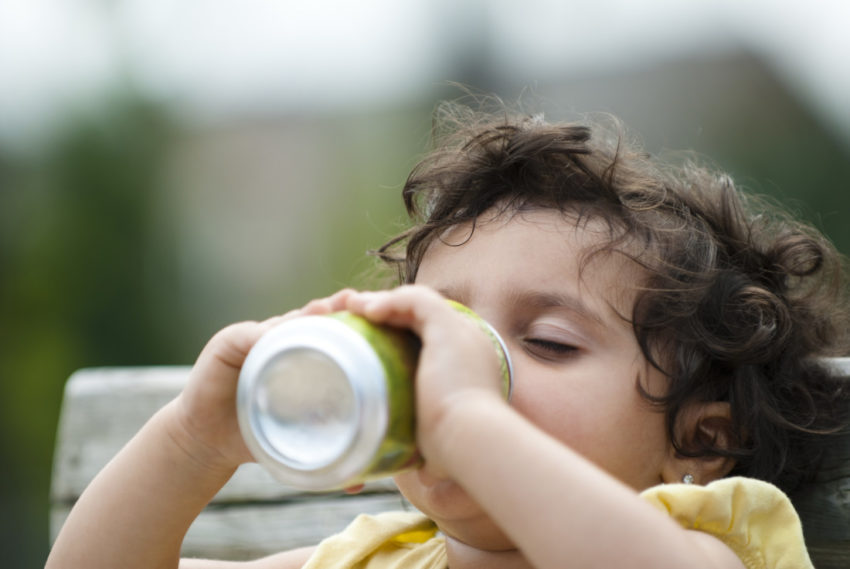
An unhealthy diet is the leading risk factor for death, causing more than 500,000 U.S. deaths in 2016, according to a new study. For the study, University of Washington researchers analyzed data on 333 diseases in every state from 1990-2016. They implicated diet in 529,999 deaths from heart disease, stroke, diabetes, cancer, and other diseases in 2016. After diet, tobacco, high blood pressure, and obesity were the next biggest early death risks. These findings have big implications for Latinos, who tend to struggle with local access to healthy food, according to a Salud America! research review. “To an increasing degree, overweight, obesity, and sugary diets are driving up health care costs and are costing Americans years of healthy life,” said Dr. Christopher Murray, ...
You don’t need to hold political office to make a healthy change in your community. Parents and residents play a big role in helping leaders make change by getting involved in neighborhood associations and local committees, boards, and commissions. These groups rely on your input to shape plans and policies that impact health in your area. Contributing to healthy local change is important because where you live─down to your ZIP code─can predict your and your family’s education, income, and physical and mental health. So how can you get involved? Ways to Get Involved First, check out our Health Equity Report Card to see what healthy change is needed in your town! Get Your Report Card! Now that you know, here are some ways you can help shape local policies, ...
Evidence for Action, a national program of the Robert Wood Johnson Foundation, is seeking research proposals for up to $2.5 million to study innovative ways to "make health a shared value." This "shared value" involves individual, family, and community factors to renew a societal commitment to health and health equity. The new funding aims to understand what drives and enhances these values. Proposals, being sought for differing budgets of up to $2.5 million for up to 48 months of work, could use data from placed-based initiatives to see the effect on mindsets, sense of community, or civic engagement, and the impact on population health. "We seek evidence on the extent to which...mindsets and expectations, sense of community, and civic engagement can be changed through ...