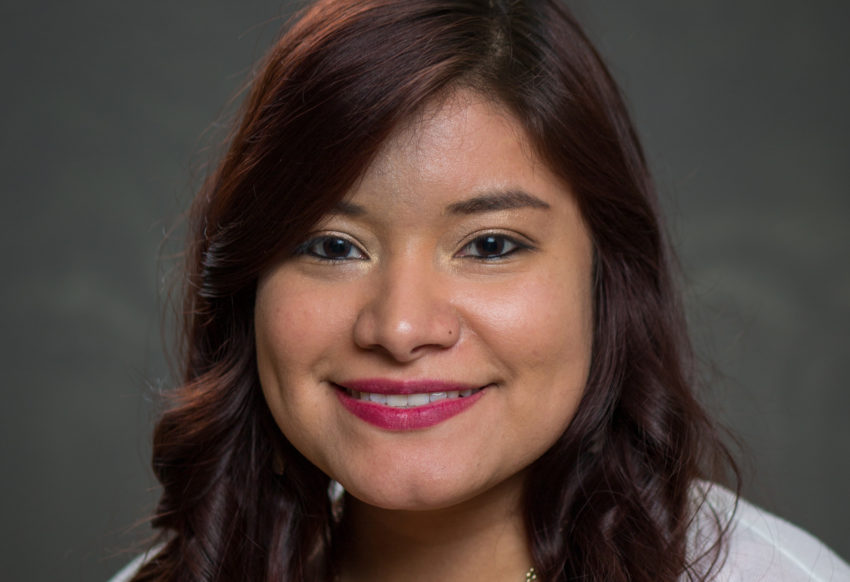
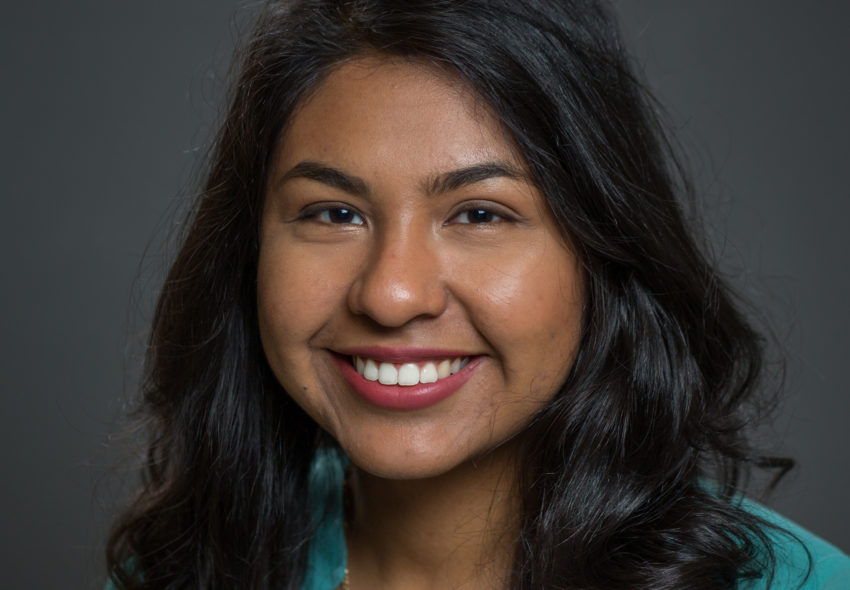
“You’re never done, no matter how old you are. There’s always more you can do.” Eliani Uc, inspired by these words from her mother, has made the most out of the many changes and challenges in her life. In fact, the Mexico City native moved to San Antonio, learned a new language and culture, earned a bachelor’s degree in forensic science at Baylor University, earned a master’s degree in health in kinesiology at UT San Antonio, and now is pursuing her passion for nutrition and health promotion. Uc is currently a clinical registered dietitian at Methodist Healthcare System in San Antonio. Her research areas of interest are nutrigenetics, nutrigenomics, and their relation to cancer. To further her training and education, Uc applied for the Éxito! Latino Cancer ...
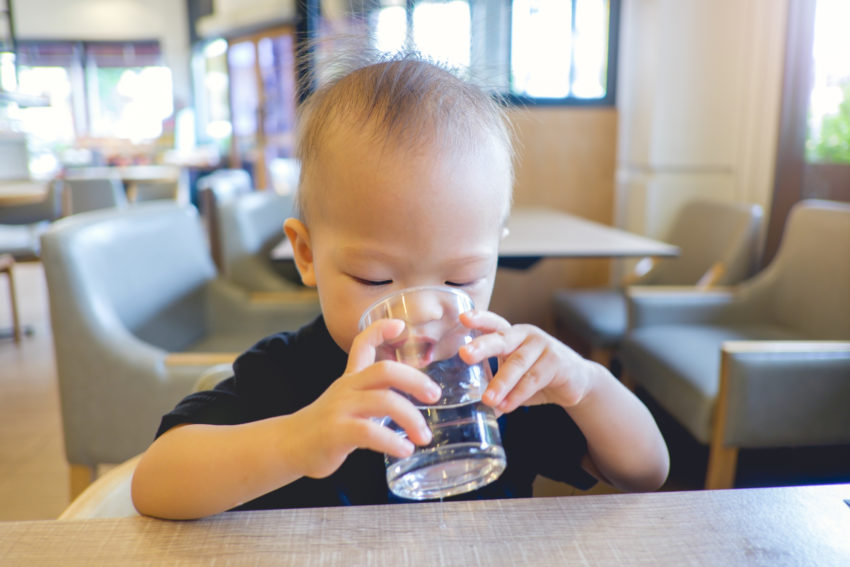
Access to free drinking water is not a given in schools and child care centers, although it is a key strategy to build lifelong healthy habits in children. Safe and appealing drinking water is particularly important to increase water consumption among Latino kids, who face more obstacles to being healthy, thus face higher rates of obesity and chronic disease. At the state policy level, drinking water availability in child care centers is governed by child care center licensing regulations, and drinking water availability in public schools is primarily governed by school nutrition policies, state plumbing codes, and school facilities standards. A recent study looked at state-wide policies in 20 states for drinking water quality and access in public schools and licensed child-care ...
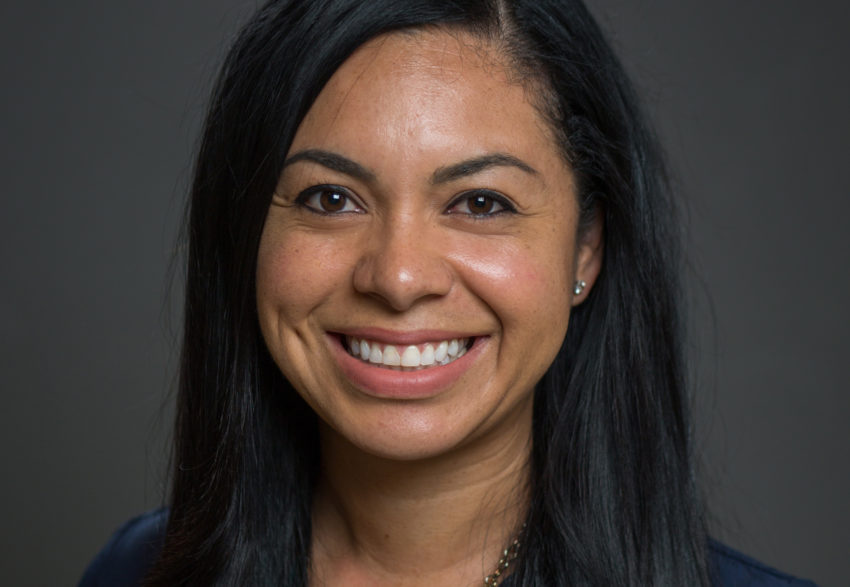
For Elidia Tafoya, calavera—the Spanish word for “skull”—has a positive connotation. It reminds her that opportunities in life are abundant. Tafoya is certainly taking advantage of growing opportunities to study health issues and promote healthy lifestyles among underserved populations. After earning her master’s degree in public health from San Jose State University in 2015, Tafoya has worked as a clinical researcher at Stanford School of Medicine. She manages several dermatologic projects, ranging from investigator-initiated, to industry, and federally funded clinical trials to test new therapies for skin conditions. Tafoya also has served as an advocate on a diabetes prevention program to reduce the risk of diabetes and minimize health disparities. Due to the ...
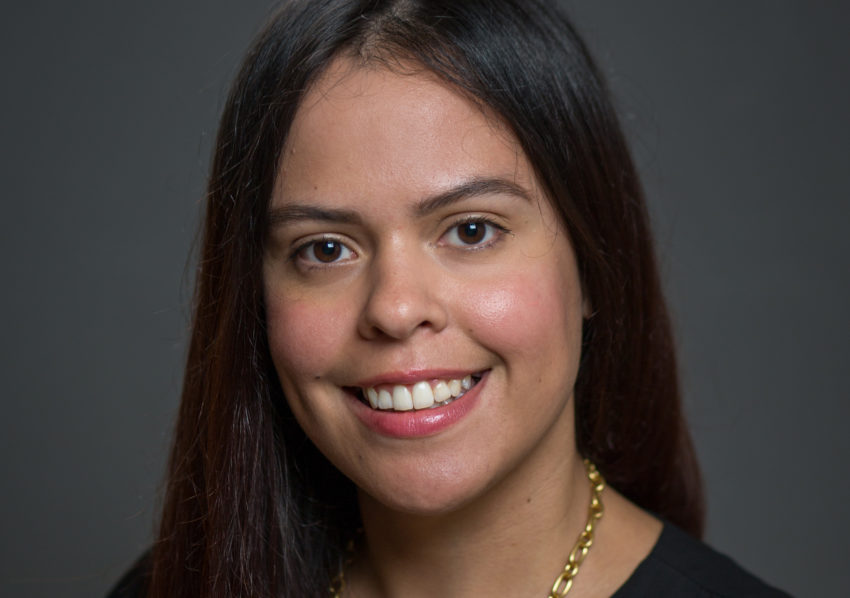
When Maria Rincon moved with her family from Venezuela to the U.S., she owned one book. When Rincon started school here, many expected nothing from her. Little did they know that Rincon had the resilience to overcome the traumatic experience of acculturation, and she has surpassed expectations and excelled in academia. In fact, Rincon, earned a bachelor’s degree in biological sciences at the University of South Florida in 2012 and then earned a master’s degree in epidemiology at Yale University in 2015. As an undergraduate in Florida, she contributed to diverse research, from molecular epidemiology at the Moffitt Cancer Center, to molecular mechanisms of disease in Methicillin-Resistant S. Aureus (MRSA). As a graduate student, Rincon has focused on infectious disease ...
Many U.S. Latino families lack of access to quality education, making it harder for Latino kids to achieve academically, socially, and physically. Fortunately, schools can make a big change to support Latino kids and families. By creating integrated student support initiatives, schools can better serve both their students and their communities, according to a new report, Making the Grade: A Progress Report and Next Steps for Integrated Student Supports from the nonprofit Child Trends.
What are Integrated Student Supports?
Integrated student support initiatives add specific services—academic support, housing assistance, food supplies, medical care, mental health services, etc.—in schools to help kids and families ensure their overall health and academic success. This effort ...
Erica Chavez Santos grew up in the small rural town of Pateros, Wash., the daughter of diligent farmworkers from Mexico. She saw the many health inequities suffered by her parents and local Latinos. Chavez Santos wanted to help, and she became interested in understanding why these inequities occur and how to improve health outcomes. She is now a master’s-degree student in public health in sociomedical sciences at the Columbia University Mailman School of Public Health, where she also is active in the Black and Latinx Student Caucus. She hopes to work with underserved Latino communities in hopes of boosting farmworker justice and creating equitable policies that set the stage for better health. Chavez Santos respect and empathy for other people makes her the perfect ...
Getting a college education is linked to better employment, better health, and active volunteerism and voting. In fact, people with a bachelor’s degree earn $25,000 more than those without. Unfortunately, even as Latinos are enrolling in college at an all-time high, they earn four-year degrees at a far less rate (18%) than their white peers (44%). A new report offers a solution: Latinos should enroll at the right school. The report, published by The Education Trust, found that closing the educational gap can in part happen by changing where Latino students enroll. Nearly 25% of all Latino freshmen enroll in the “most selective” institutions where most freshmen graduate. Nearly 30% enroll at more accessible institutions where a few complete degrees. In contrast, ...
How do you feel when you walk? Most of us would walk more if we had safe places. Are you willing to commit 5-10 hours/per week for 6 months to learn how to make your community more walkable? America Walks invites you to apply for a 2018 Walking College Fellowship to gain the skills and knowledge you will need to build the walking movement in your community. UPDATE: Deadline has been extended to March 2nd at 8pm Eastern.
Why Walkability Matters
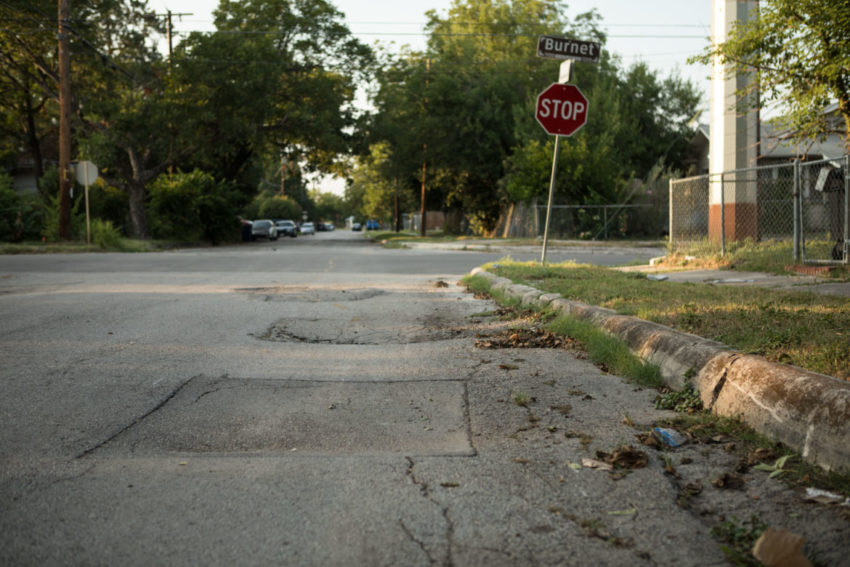
Walking is a valid way to improve your health. It is also a valid form of transportation. However, many Latino families don't have safe places to walk, thus they face disparities in health and traffic fatalities and are isolated from the places they need to go. Latinos make up 16.9% of the population, yet account for 21.5% of ...
New Year’s resolutions are a tradition that many people engage in every year. Some resolve to address physical health – to eat better, to lose some weight, to exercise more – and these are all great. However, one aspect of health often gets completely overlooked during this time of year. Mental health affects millions of people across the country, but more often than not goes unaddressed. Latinos – especially young Latinos – are statistically more likely to have mental health issues than their peers and they are far less likely to seek treatment. Lack of access to resources, cultural stigma, and language barriers are all key reasons why Latino mental health often goes untreated. In an effort to reverse this situation, Kaiser Permanente has launched a website entitled ...