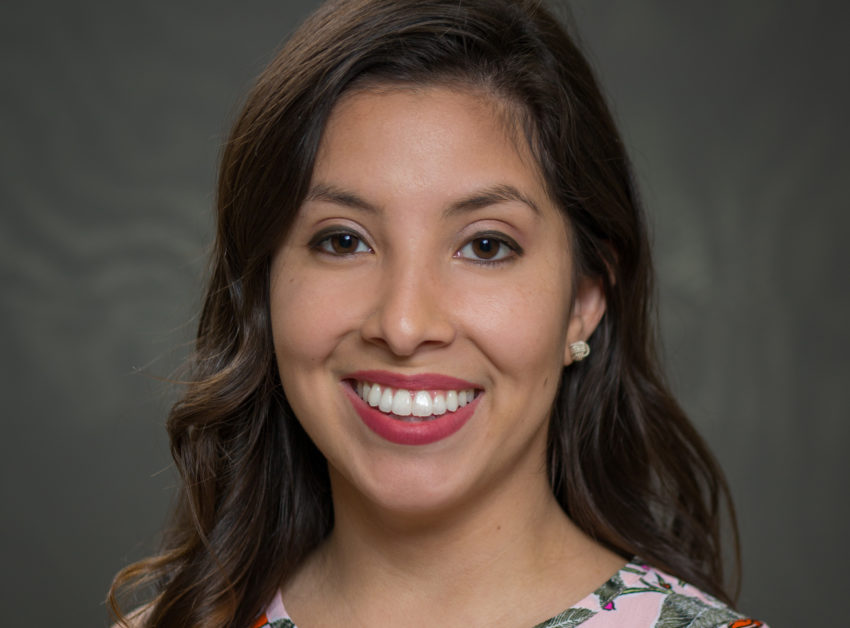
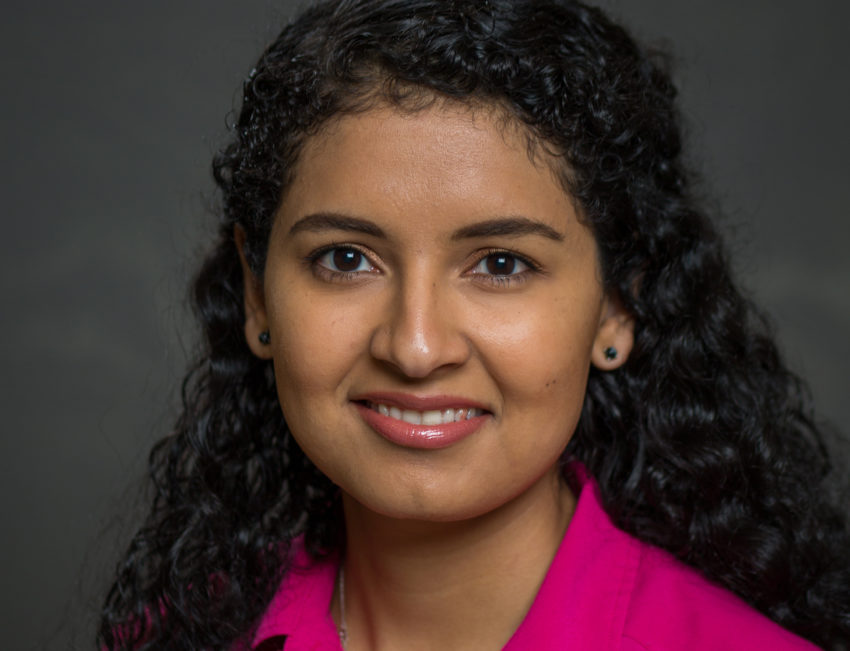
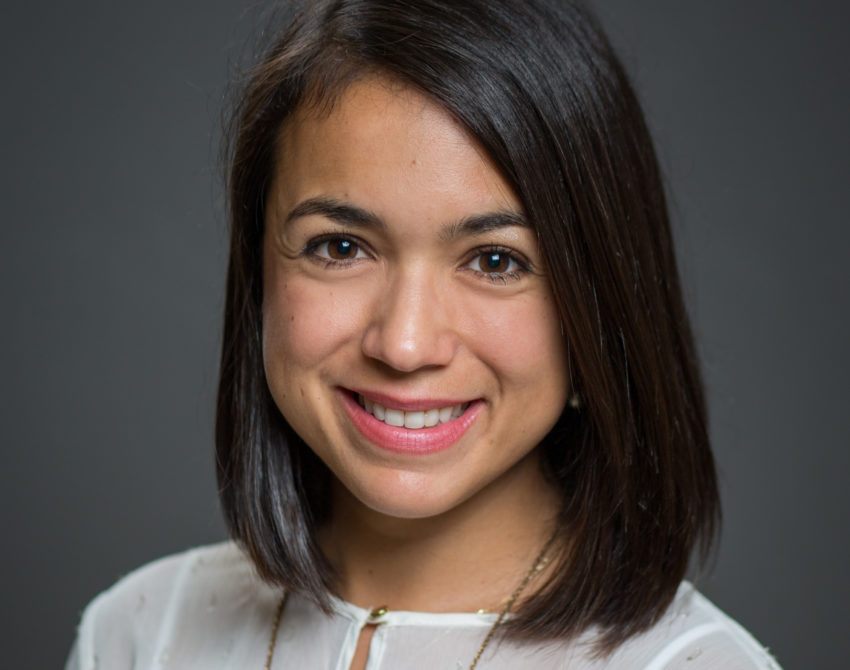
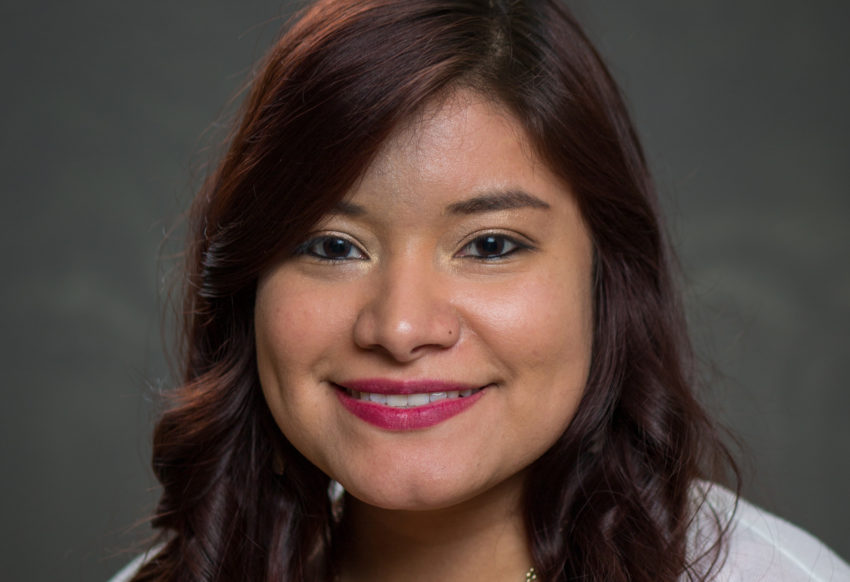
From her supportive abuela to her two-hour-long big family dinners, Arielle Guzman feels a strong connection to her Mexican heritage. So she knows very well that Latinos face big health obstacles. This experience, and her own father’s struggle with multiple myeloma, inspired her to pursue a career as a culturally competent healthcare professional targeting cancer. Currently a master’s degree student in public health and epidemiology at Loyola University Chicago, Guzman already honed her health skills as a volunteer at a Chicago hospital and in Santo Domingo, Ecuador. She also will participate in cancer health disparities research. Her main goal is to find cutting-edge ways to boost cancer screening, beneficial policies, and health education among Latinos. To further her ...
More than 2 in 3 kids report at least one traumatic event by age 16. It's even worse among Latino kids. In fact, 28.7% of Latino kids have experienced four or more traumatic experiences. The impact of childhood trauma can last well beyond childhood. In order to suspend judgement and help children heal, it is important to recognize the signs of traumatic stress and understand the short- and long-term impacts. The infographics can will help: Understanding Childhood Trauma from SAMHSA's National Child Traumatic Stress Initiative
Entendamos el trauma infantil from SAMHSA's National Child Traumatic Stress Initiative
Language Matters from The National Council
How to Manage Trauma from The National Council
Why Trauma Matters in Primary Care from The National ...
Fear of deportation is a rising concern among many Latinos in the United States. People born here and people who have given up everything to move to the U.S., have to worry about being forced to leave the country after the Trump Administration rescinded the Deferred Action for Childhood Arrivals (DACA) program and proposed use of "expedited removal." How does this fear impact a person's mental health? Changes Coming Fast and Furious
The Trump Administration is proposing more usage of "expedited removal," as well as reduced family immigration and eliminating the Visa Lottery, The Nation reports. Expedited removal allows government officials to remove undocumented immigrants without allowing them to go before a judge. Since 2002, the law has only been used for immigrants who ...
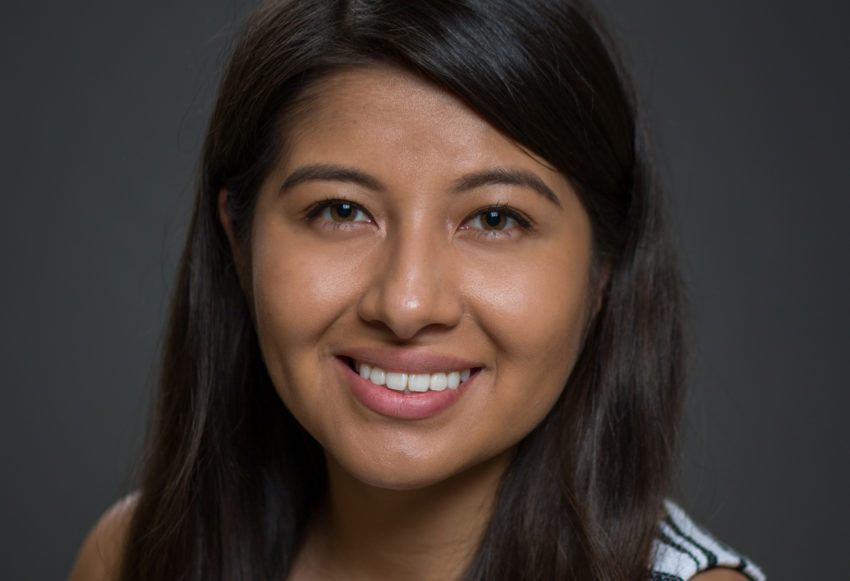
Perseverance is the essence of Lizeth Tamayo’s character. She came with her family from Peru to the United States at age 4, and went from not knowing how to buy school supplies to now being a graduate student and Susan G. Komen Fellow. Tamayo is currently a master’s-degree student in public health epidemiology at the University of Illinois at Chicago (UIC). As a Komen fellow at UIC, her research aims to better understand and eliminate health disparities in breast cancer. Tamayo’s parents paved the way for her, making sacrifices and struggling with language barriers to give her a better life in the United States. Now Tamayo is paving the way for her cousins and sibling by excelling in school. Her strong passion to solve Latino health disparities and break down cultural ...
Cervical cancer is highly preventable. That is why it's so alarming that Latinas are twice as likely to be diagnosed with cervical cancer than other women. They also have the highest rate of cervical cancer among all women, according to CDC data. The big reason? Latinas are less likely to get regular Pap tests, which can detect the disease at an early, curable stage, experts say. "Most cervical cancers are found in women who have never had a Pap test or who have not had one recently," according to the American Cancer Society. "Women without health insurance and women who have recently immigrated are less likely to have cervical cancer screening."
What Is Cervical Cancer?
Cervical cancer is a type of cancer that occurs in the cells of the cervix, the lower part of the uterus ...
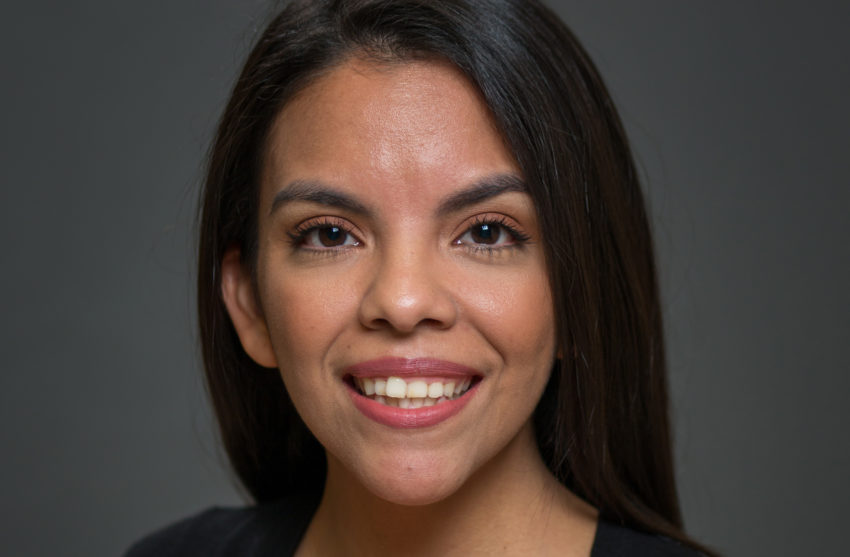
“You’re not gonna know until you try.” That’s the motto Ashton Balarin’s parents used to grow her confidence, to try and reduce health disparities in her native Fiesta city of San Antonio. Balarin is certainly putting that motto to work. She graduated from UT San Antonio with a bachelor’s degree in public health, and is in her second year of graduate school for a master’s degree in health and kinesiology. As a graduate research assistant, Balarin also works on several projects, including a pilot study to reduce older adult men’s risk of getting prostate cancer by lowering their folic acid intake. She also wants to try to improve maternal health and breastfeeding rates in San Antonio. To further her training and education, Balarin applied for the Éxito! ...
Latinos are less likely than their peers to join potentially life-saving clinical trials. They often fear being treated like a guinea pig, are scared of being deported, and don’t trust doctors. Yuritzy Gonzalez Peña wants to change that. Peña wants to bust the myths about clinical trials among Latinos, and also boost community health by promoting beneficial policies and improved health systems. Peña, a native of Salem, Ore., earned her bachelor’s degree and master’s degree in public health from Oregon State University. Because she understands the importance of evidence-based, practical, and multidisciplinary research, she is involved in many research projects. Her most recent projects have dealt with teen pregnancy in rural communities, chronic risk factors in migrant ...
Sylvia Peral knows the value of hard work. The native of Hermosillo, Sonora, Mexico, learned it from her father, and worked two jobs to put herself through college. Peral also knows the crucial need to promote healthier lifestyles among low-income Latino families, who often face issues of obesity and disease. That’s why she is working hard to boost Latino health. She earned her bachelor’s degree in foreign languages with a concentration in Spanish in 2015 and her master’s-degree in public health with a concentration in health behavior in 2017 from the University of Alabama in Birmingham (UAB). She has spent the past three years working on a research program to address Latino cancer disparities at UAB’s Department of Preventive Medicine. She’s also interested in ...
“You’re never done, no matter how old you are. There’s always more you can do.” Eliani Uc, inspired by these words from her mother, has made the most out of the many changes and challenges in her life. In fact, the Mexico City native moved to San Antonio, learned a new language and culture, earned a bachelor’s degree in forensic science at Baylor University, earned a master’s degree in health in kinesiology at UT San Antonio, and now is pursuing her passion for nutrition and health promotion. Uc is currently a clinical registered dietitian at Methodist Healthcare System in San Antonio. Her research areas of interest are nutrigenetics, nutrigenomics, and their relation to cancer. To further her training and education, Uc applied for the Éxito! Latino Cancer ...